In today’s fast-paced commerce ecosystem, the final leg of delivery—commonly known as last mile delivery—has become the most critical and complex component of logistics operations. As customer expectations evolve toward faster, same-day deliveries, businesses are under immense pressure to optimize this stage efficiently.
For organizations operating within End-to-End Supply Chain Management, last mile delivery is no longer just a fulfillment step—it is a key differentiator impacting customer experience, operational costs, and brand reputation.
With the rapid rise of E-commerce and Quick Commerce Companies, the demand for speed, accuracy, and transparency has intensified. Even leading Supply Chain Companies in India are continuously innovating to overcome last mile inefficiencies and remain competitive.
What is Last Mile Delivery?
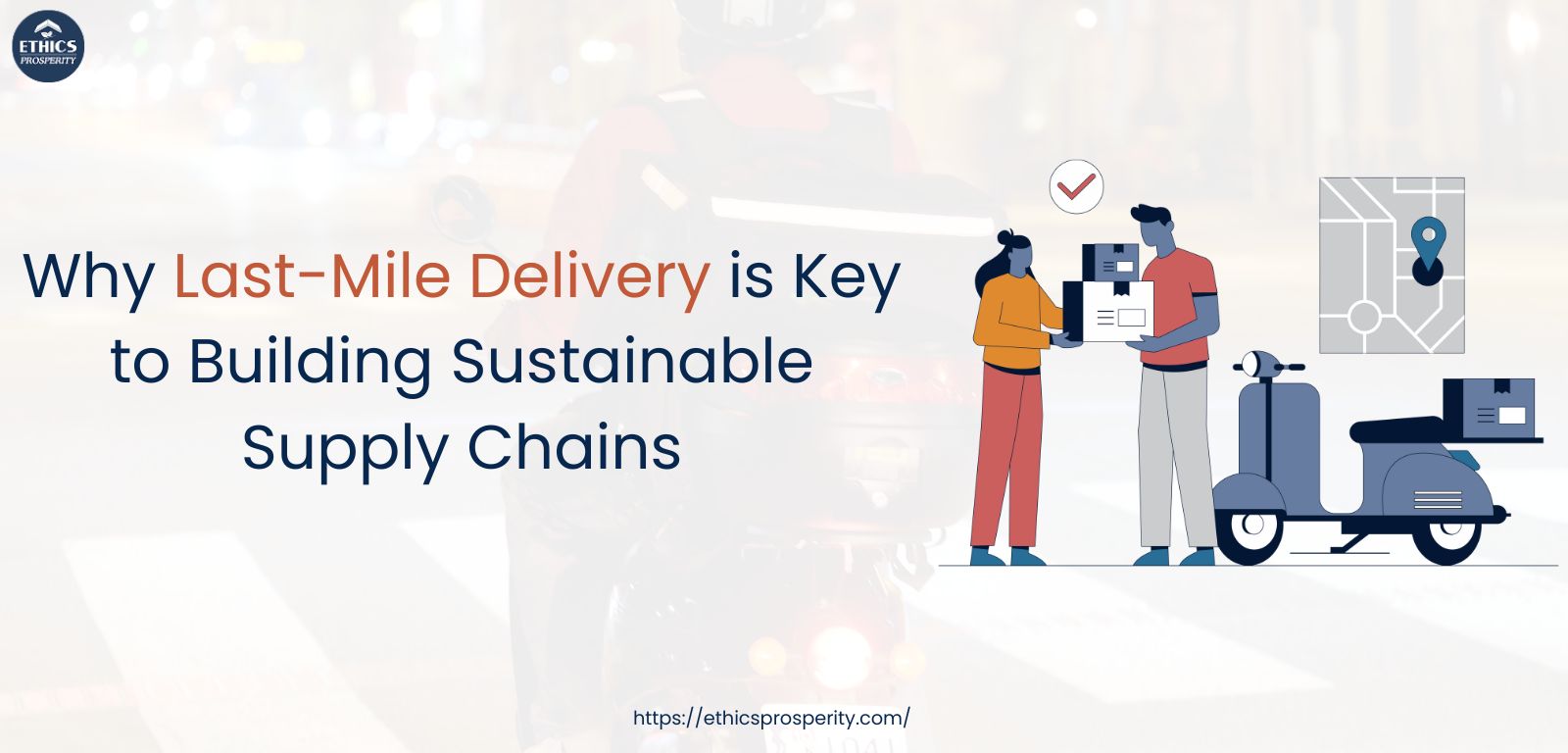
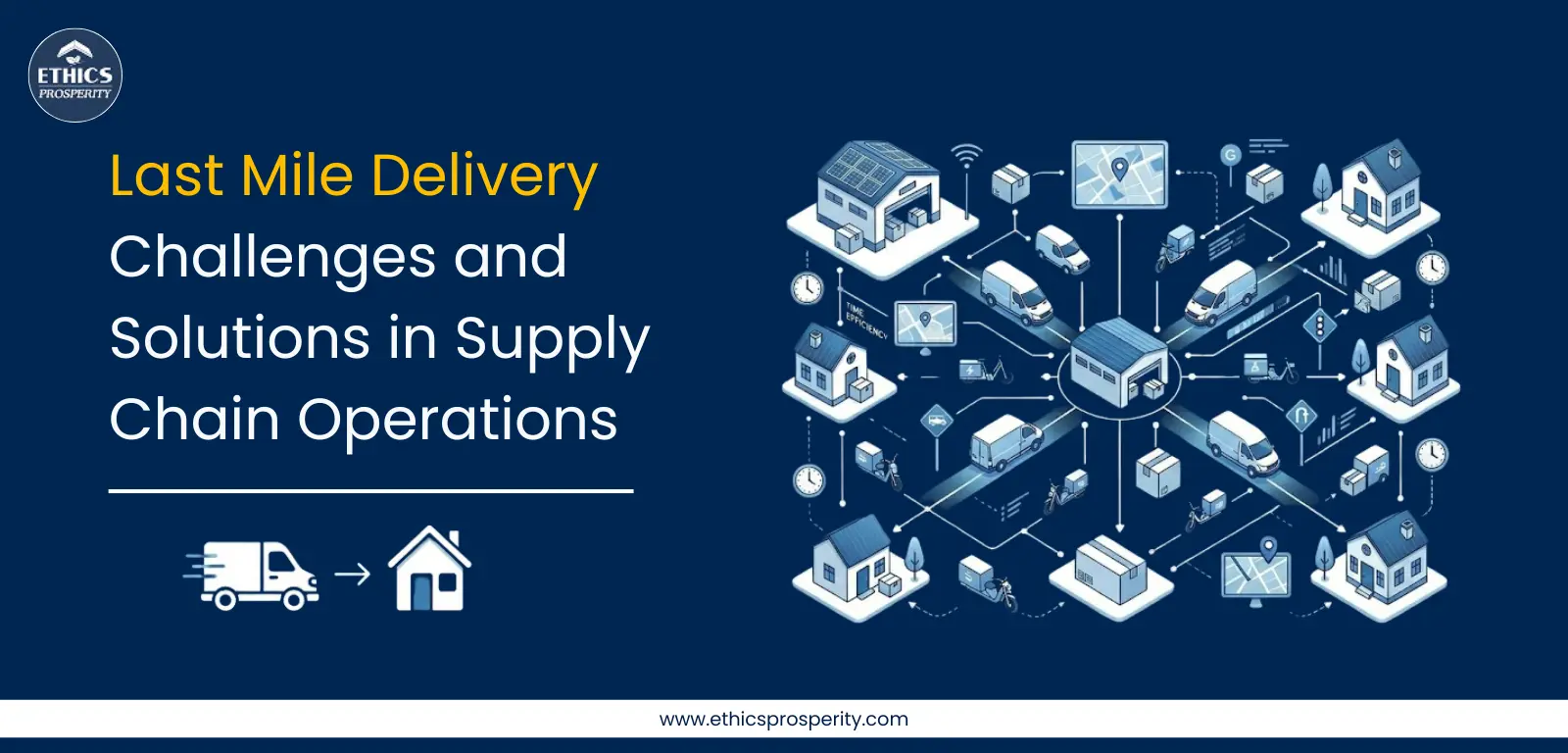
Last mile delivery refers to the movement of goods from a distribution hub or warehouse to the final customer destination. This stage directly influences delivery timelines, customer satisfaction, and operational efficiency.
It is often considered the most resource-intensive segment within Warehouse and Logistics, accounting for a significant portion of overall shipping costs.
Businesses partnering with Last Mile Delivery Companies or integrating their own delivery networks must ensure seamless coordination between warehousing, transportation, and customer communication.
Key Last Mile Delivery Challenges
1. High Operational Costs
Last mile delivery can contribute up to 50% of total logistics costs. Factors such as fuel prices, failed deliveries, and inefficient route planning significantly increase expenses.
Even top-tier players, including Top logistics companies in India, continuously face cost optimization challenges in this segment.
2. Inefficient Route Planning
Urban congestion, unpredictable traffic conditions, and multiple delivery points often result in suboptimal routing.
Without advanced planning tools, businesses struggle to maintain delivery timelines, impacting customer satisfaction and overall distribution management efficiency.
3. Failed Deliveries and Returns
Incorrect addresses, customer unavailability, and communication gaps lead to failed deliveries. This not only increases operational costs but also affects customer trust.
For SMEs relying on 3PL Companies in India, managing reverse logistics becomes an additional operational burden.
4. Limited Delivery Visibility
Customers now expect real-time tracking and proactive communication. Lack of visibility can result in dissatisfaction and increased support queries.
Companies aiming to compete with the best supply chain companies must invest in transparency and tracking capabilities.
5. Infrastructure Constraints
In regions with underdeveloped infrastructure, especially in semi-urban and rural areas, delivery efficiency is significantly impacted.
Businesses operating through warehousing companies in gurugram and other metro hubs often face challenges when expanding to Tier 2 and Tier 3 cities.
6. Demand Volatility
Seasonal spikes, festive demand, and flash sales create unpredictable delivery volumes.
Without scalable systems, businesses struggle to maintain service levels during peak demand periods, especially when competing with Quick Commerce Companies.
Proven Solutions to Last Mile Delivery Challenges
1. Route Optimization and Smart Planning
Implementing advanced route optimization tools helps reduce travel time, fuel consumption, and delivery delays.
AI-powered algorithms can dynamically adjust routes based on real-time traffic and delivery priorities, improving efficiency across operations.
2. Strategic Use of Micro-Fulfillment Centers
Decentralized storage facilities closer to customer locations enable faster deliveries.
By leveraging Custom Warehousing and distributed inventory models, businesses can significantly reduce last mile distances and improve delivery speed.
3. Collaboration with 3PL Providers
Partnering with experienced 3PL Companies in India allows businesses to leverage established delivery networks and operational expertise.
This approach reduces capital investment while improving scalability and service reliability.
4. Enhancing Customer Communication
Real-time updates, accurate delivery windows, and proactive notifications improve customer experience and reduce failed deliveries.
Integration with digital communication tools ensures better coordination between delivery agents and customers.
5. Reverse Logistics Optimization
Efficient return management systems help businesses handle failed deliveries and returns seamlessly.
A structured approach to reverse logistics enhances cost control and improves overall supply chain performance.
6. Leveraging Customs Bonded Warehouse
For cross-border operations, a Customs Bonded Warehouse enables businesses to store goods without immediate duty payments, improving cash flow and operational flexibility.
Role of Technology in Last Mile Optimization
1. Warehouse Management System (WMS)
A robust Warehouse Management System(WMS) ensures accurate inventory tracking and seamless order processing.
It acts as a backbone connecting warehousing operations with delivery execution, reducing errors and improving fulfillment speed
2. Warehouse Automation
Adoption of warehouse automation technologies such as robotics, conveyor systems, and automated sorting improves operational efficiency.
Automation reduces dependency on manual processes and ensures faster order dispatch.
3. AI in Logistics
The integration of Ai in logistics enables predictive analytics for demand forecasting, route planning, and delivery optimization.
AI-driven insights help businesses proactively manage delivery challenges and improve decision-making.
4. Smart Warehousing
Smart Warehousing integrates IoT, automation, and data analytics to create highly efficient storage and fulfillment systems.
It ensures better coordination between inventory management and last mile delivery operations.
5. Blockchain in Smart Warehousing
The use of Blockchain in smart warehousing enhances transparency and traceability across the supply chain.
It ensures secure and tamper-proof data sharing among stakeholders, improving trust and compliance.
6. Cold Storage Warehouses for Specialized Deliveries
For temperature-sensitive products, Cold Storage Warehouses play a crucial role in maintaining product integrity during last mile delivery.
This is particularly important for pharmaceuticals and perishable goods.
Conclusion
Last mile delivery remains one of the most challenging yet impactful components of modern supply chain operations. Businesses that fail to optimize this segment risk losing competitive advantage in an increasingly customer-centric market.
By adopting advanced technologies, leveraging strategic partnerships, and implementing efficient warehousing models, organizations can overcome these challenges effectively.
Companies working with leading Warehouse Companies in India and investing in integrated logistics solutions are better positioned to achieve operational excellence.
At Ethics Prosperity, the focus lies in delivering scalable, technology-driven logistics solutions that enable businesses to streamline last mile operations and achieve sustainable growth.