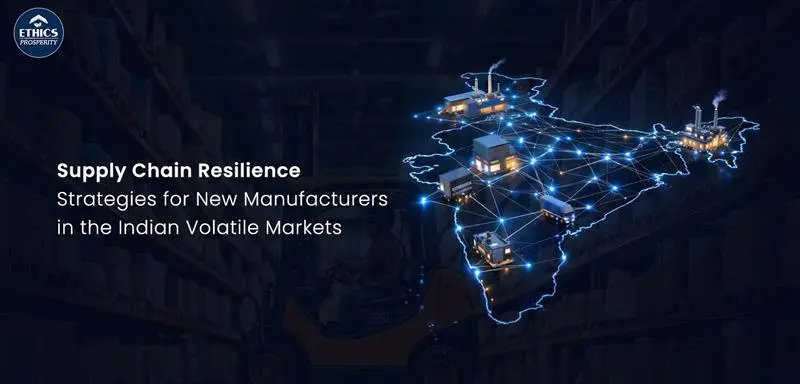
India’s manufacturing sector is undergoing rapid transformation, driven by globalization, policy reforms, and rising domestic demand. However, volatility in raw material supply, demand fluctuations, and geopolitical disruptions have made supply chain stability a major concern for new manufacturers.
In such an environment, building resilience is no longer optional—it is a strategic necessity. A resilient supply chain enables businesses to withstand disruptions, maintain operational continuity, and ensure consistent customer delivery.
For companies operating within End-to-End Supply Chain Management, resilience directly impacts cost efficiency, service levels, and long-term sustainability. As competition intensifies with emerging Supply Chain Companies in India, new manufacturers must adopt proactive strategies to stay competitive.
Why Supply Chain Resilience is Critical for New Manufacturers
New manufacturers often operate with limited resources, making them more vulnerable to disruptions compared to established players.
Key reasons why resilience is critical:
-
Market Volatility: Frequent demand fluctuations driven by changing consumer behavior
-
Supply Disruptions: Dependency on limited suppliers increases risk exposure
-
Operational Constraints: Limited infrastructure and technology adoption
-
Competitive Pressure: Need to match efficiency levels of Top logistics companies in India
A resilient supply chain ensures business continuity while enabling scalability. It also enhances coordination across Warehouse and Logistics functions, improving overall operational efficiency.
Key Supply Chain Resilience Strategies
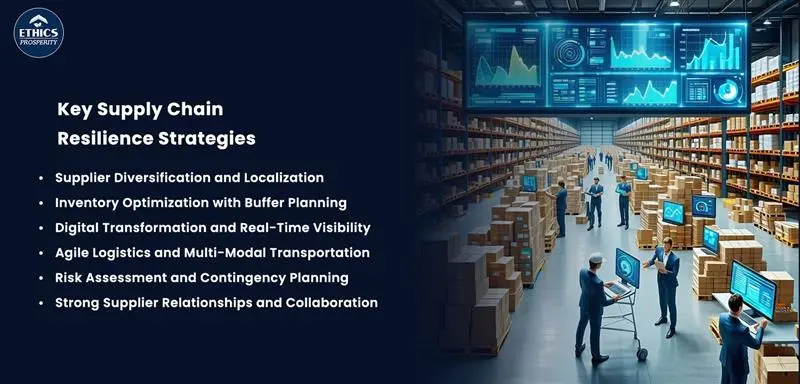
1. Supplier Diversification and Localization
Relying on a single supplier increases vulnerability to disruptions. New manufacturers must diversify their supplier base across regions and geographies.
Localization strategies help reduce dependency on imports and improve lead times. Collaborating with multiple vendors ensures supply continuity and flexibility.
Strong supplier networks are often a key differentiator among the best supply chain companies, enabling them to respond quickly to disruptions.
2. Inventory Optimization with Buffer Planning
Maintaining optimal inventory levels is critical for balancing cost and service efficiency.
Buffer stock planning helps mitigate risks associated with supply delays and demand spikes. However, excessive inventory can increase carrying costs.
By leveraging Custom Warehousing solutions, manufacturers can align storage capacity with business requirements while maintaining flexibility.
Integration with Warehouse Management System(WMS) ensures real-time inventory visibility and better control.
3. Digital Transformation and Real-Time Visibility
Digitalization is a cornerstone of supply chain resilience.
Technologies such as Ai in logistics enable predictive analytics, helping manufacturers anticipate disruptions and make informed decisions.
Real-time tracking systems provide visibility across operations, from procurement to delivery. This is particularly important when coordinating with Last Mile Delivery Companies.
Advanced analytics also support efficient distribution management, ensuring seamless product flow across channels.
4. Agile Logistics and Multi-Modal Transportation
An agile logistics network allows manufacturers to adapt quickly to changing conditions.
Multi-modal transportation—combining road, rail, air, and sea—ensures flexibility and reduces dependency on a single mode.
Collaboration with experienced 3PL Companies in India enables access to established logistics networks and expertise.
This approach enhances delivery speed and reliability, especially when competing with fast-moving Quick Commerce Companies.
5. Risk Assessment and Contingency Planning
Proactive risk management is essential for building resilience.
Manufacturers must identify potential risks such as:
-
Supplier disruptions
-
Transportation delays
-
Regulatory changes
Developing contingency plans ensures quick response during disruptions.
The use of Blockchain in smart warehousing enhances transparency and traceability, enabling better risk monitoring and compliance.
Additionally, leveraging a Customs Bonded Warehouse can provide flexibility in managing international inventory and duties.
6. Strong Supplier Relationships and Collaboration
Building long-term relationships with suppliers fosters trust, reliability, and collaboration.
Transparent communication and performance monitoring help ensure consistency in supply quality and timelines.
Data-driven evaluation of suppliers enables manufacturers to align with high-performing partners, similar to practices followed by leading Supply Chain Companies in India.
Common Mistakes New Manufacturers Must Avoid
1. Over-Reliance on Single Suppliers
Dependence on a single vendor increases vulnerability to disruptions and delays.
2. Lack of Technology Adoption
Failure to implement digital tools such as WMS and analytics limits visibility and decision-making capabilities.
3. Poor Inventory Planning
Inadequate inventory strategies lead to stockouts or excess inventory, impacting costs and customer satisfaction.
4. Ignoring Logistics Optimization
Inefficient logistics networks result in delayed deliveries and increased operational costs.
Even businesses operating through warehousing companies in gurugram must ensure optimized distribution strategies.
5. Limited Risk Preparedness
Absence of contingency planning can lead to severe operational disruptions during crises.
Future Outlook: Building a Resilient and Agile Supply Chain
The future of supply chain resilience lies in technology-driven, data-centric ecosystems.
Key trends include:
-
Smart Warehousing: Integration of automation, IoT, and analytics for efficient operations
-
Warehouse Automation: Increased use of robotics and automated systems
-
Cold Chain Expansion: Growth of Cold Storage Warehouses for temperature-sensitive goods
-
Digital Collaboration: Enhanced coordination across supply chain partners
-
Sustainability Focus: Adoption of eco-friendly logistics practices
Manufacturers that invest in innovation and digital transformation will be better equipped to navigate uncertainties and achieve long-term growth.
Conclusion
Supply chain resilience is a critical success factor for new manufacturers operating in India’s volatile markets. By adopting strategies such as supplier diversification, inventory optimization, digital transformation, and agile logistics, businesses can effectively manage risks and ensure operational continuity.
A proactive approach to resilience not only minimizes disruptions but also enhances efficiency, scalability, and customer satisfaction.
At Ethics Prosperity, the focus is on enabling manufacturers to build robust, technology-driven supply chains that can adapt to changing market dynamics and deliver sustainable growth.