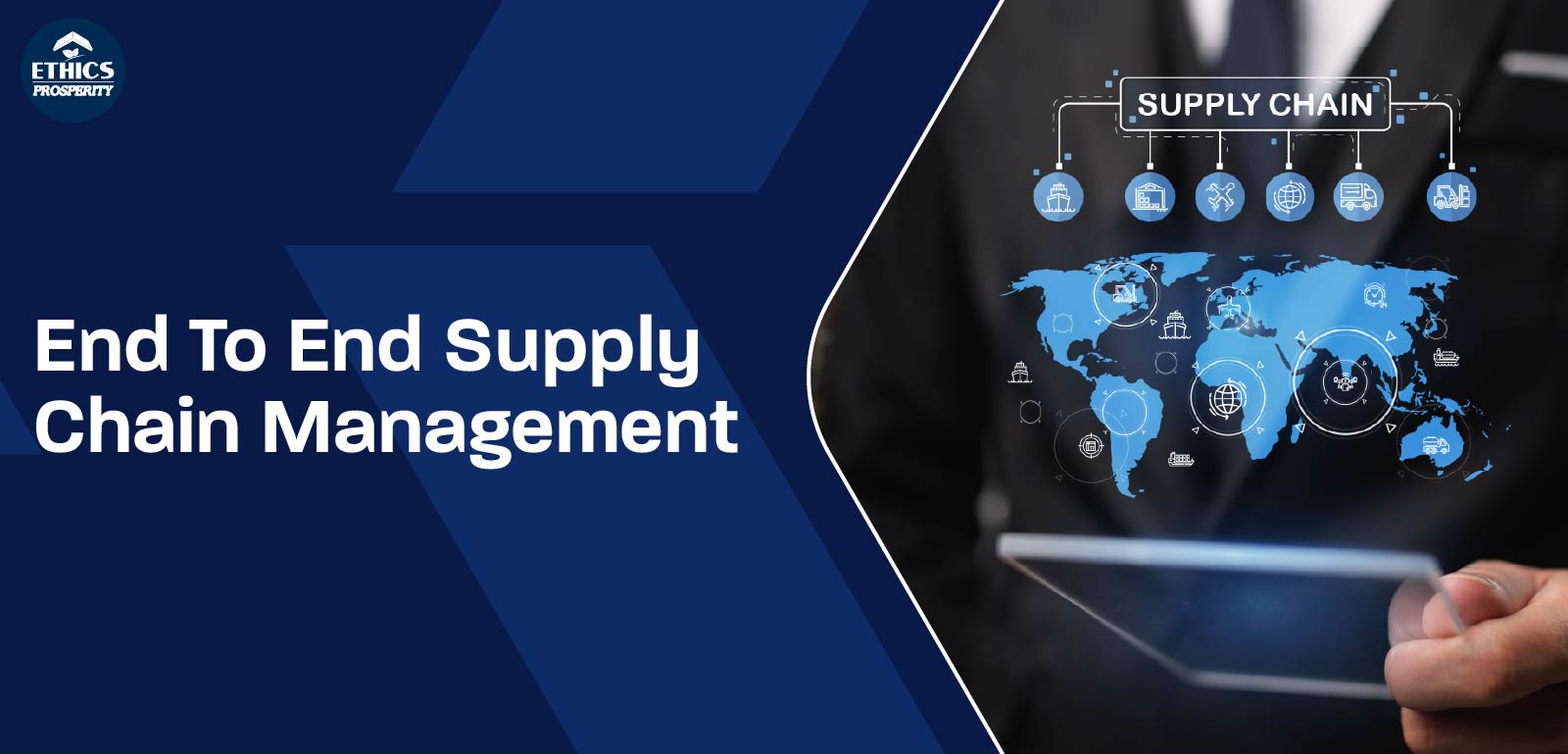
Cold chain logistics has become a critical pillar of modern SCM, ensuring that temperature-sensitive products move seamlessly across the perishable goods supply chain without compromising quality or safety. As industries like Pharma and Food Cold Chain demand higher precision, temperature-controlled logistics that includes cold storage solutions, refrigerated transportation and smart warehouse infrastructure plays a vital role in maintaining product integrity end to end. Today, leading logistics companies in India and advanced 3PL logistics providers are transforming operations with integrated end to end supply chain solutions that combine real-time visibility, automation and specialised handling to deliver reliability, compliance and efficiency across the entire value chain.
Why Cold Chain Logistics Matters in Modern Supply Chains
Cold chain logistics is essential in modern SCM as it keeps temperature-sensitive products safe across the Pharma and Food Cold Chain and the wider perishable goods supply chain. With temperature-controlled logistics powered by cold storage solutions, refrigerated transportation and smart warehouse systems, logistics companies in India and leading 3PL logistics providers can ensure product integrity, reduce spoilage and deliver reliable end to end supply chain solutions.
Preserves product quality:
Cold chain logistics maintains the required temperature conditions from production to delivery, preventing spoilage, degradation or loss of potency. This ensures that perishable and sensitive products such as pharmaceuticals, fresh produce, dairy, meat and seafood reach consumers in their optimal state.
Ensures safety and compliance:
Temperature-controlled handling reduces the risk of contamination, bacterial growth and product failures. It also helps businesses meet strict regulatory standards, especially in the pharma and food sectors, ensuring products remain safe, effective and fully compliant throughout the supply chain.
Reduces financial losses:
By minimizing temperature excursions and product spoilage, cold chain logistics prevents costly wastage, rejected shipments and recalls. This leads to higher operational efficiency, improved delivery accuracy and significant savings across the perishable goods supply chain.
Enables global market access:
A reliable cold chain allows companies to ship sensitive products across long distances and international borders without compromising quality. This opens new markets for exporters of medicines, fresh produce, seafood and other perishable goods, driving global trade and business expansion.
Improves supply chain efficiency:
With integrated temperature-controlled logistics, real-time monitoring and smart warehouse systems, cold chains streamline operations end to end. The result is faster movement of goods, reduced delays, better inventory control and a more resilient supply chain capable of handling demand fluctuations.
Key Components of an Effective Cold Chain
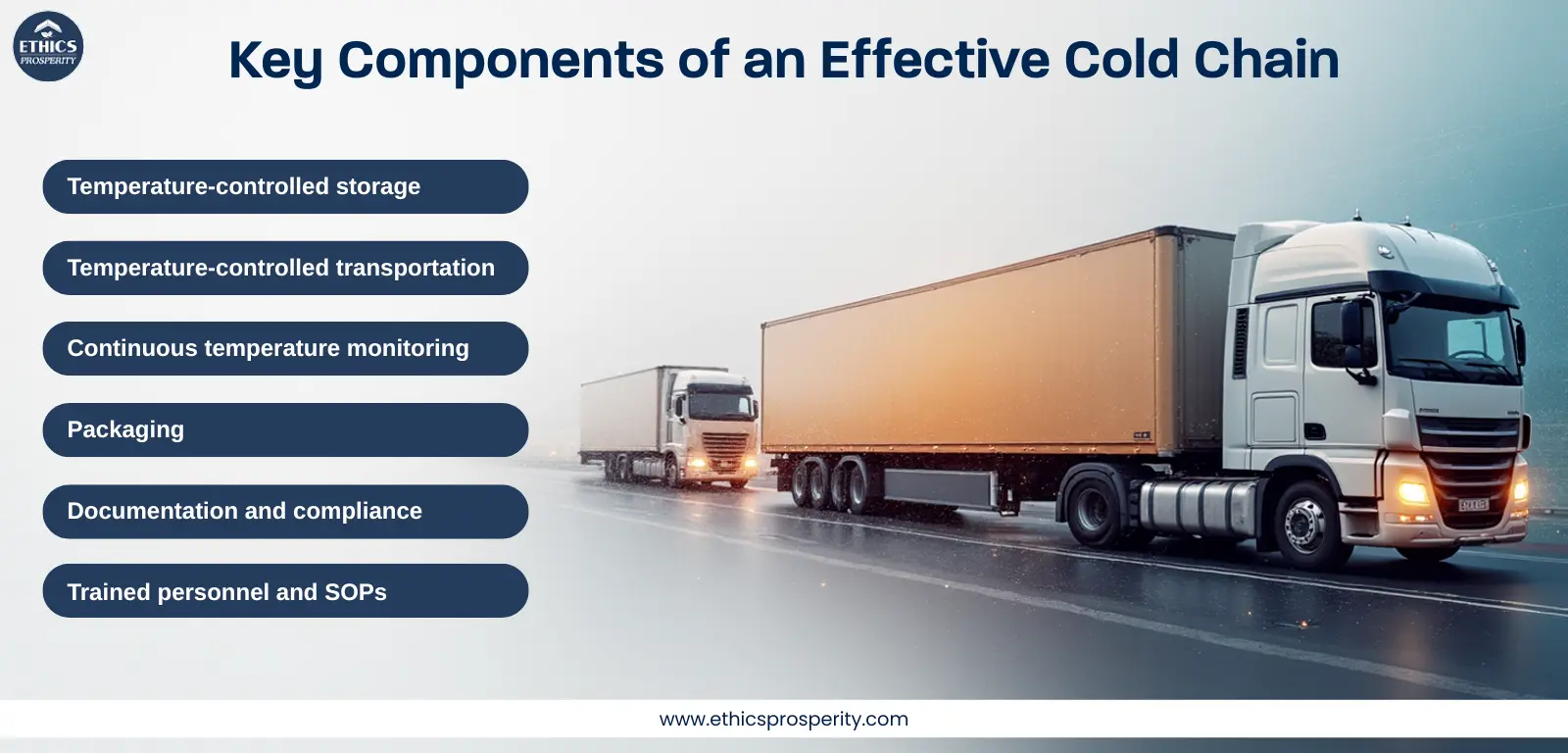
Temperature-controlled storage:
Cold chain logistics relies on advanced cold storage solutions and smart warehouse systems that maintain precise temperature zones for the Pharma and Food Cold Chain and the wider perishable goods supply chain. These controlled environments ensure product quality and support efficient SCM operations across end to end supply chain solutions.
Temperature-controlled transportation:
Refrigerated transportation, including reefer trucks and insulated containers, keeps products within safe temperature limits throughout the journey. This temperature-controlled logistics capability is essential for logistics companies in India and 3PL logistics providers handling sensitive pharma, food and other perishable goods.
Continuous temperature monitoring:
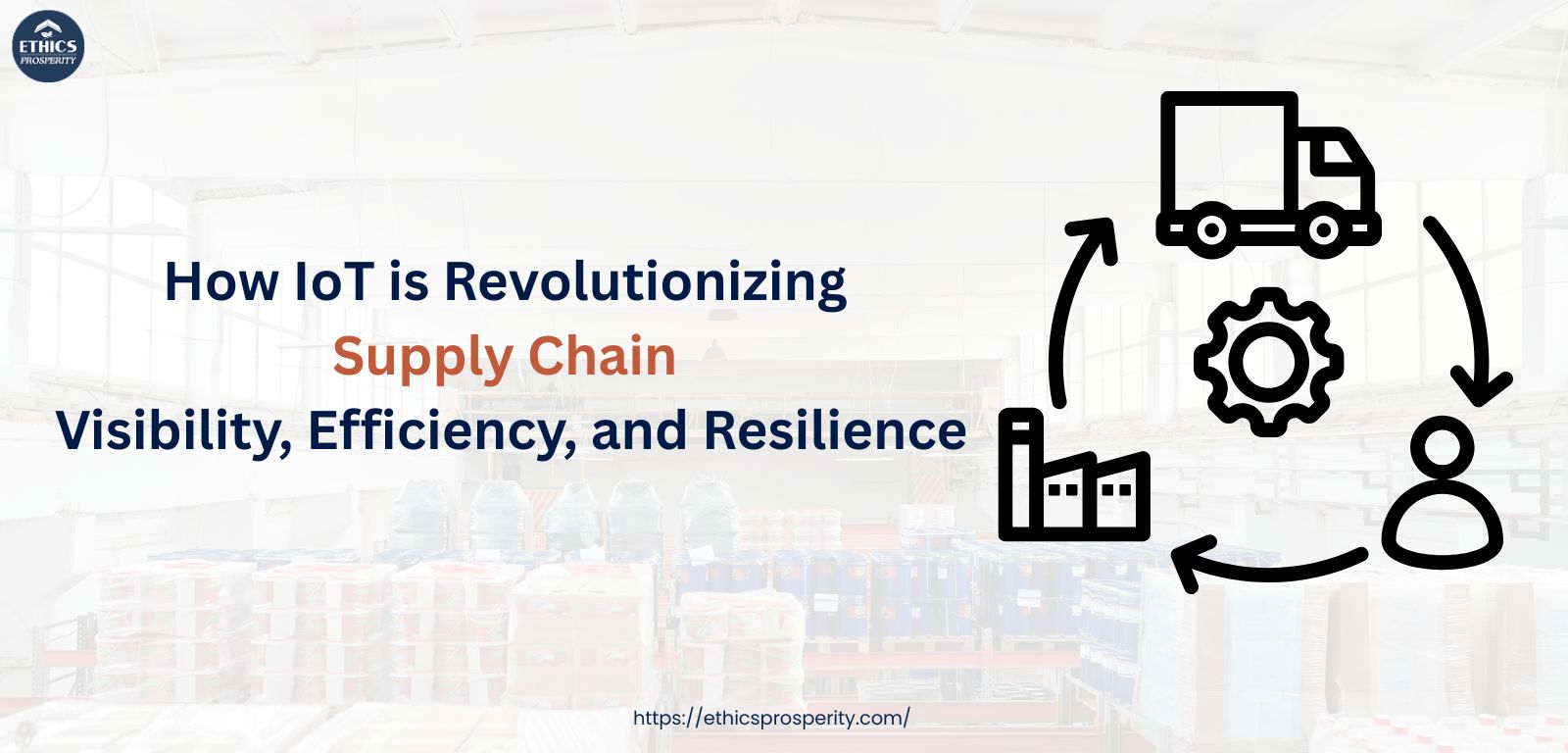
Real-time monitoring through IoT sensors, data loggers and connected systems provides full visibility across the perishable goods supply chain. This ensures compliance, reduces risks and supports reliable end-to-end supply chain solutions within modern cold chain logistics.
Packaging:
Insulated packaging materials, gel packs, dry ice and thermal liners help maintain stability during movement. These packaging solutions strengthen temperature-controlled logistics for products in the Pharma and Food Cold Chain, supporting safe transportation by leading logistics companies in India and 3PL logistics partners.
Documentation and compliance:
Accurate temperature records, audit trails and regulatory adherence ensure that cold chain logistics meets strict standards in the pharma and food sectors. This is critical for SCM efficiency and for maintaining trust in end to end supply chain solutions offered by top logistics companies.
Trained personnel and SOPs:
Skilled teams and strong standard operating procedures ensure proper handling, storage and transportation of temperature-sensitive products. This expertise enables 3PL logistics providers and logistics companies in India to deliver reliable, compliant and high-performing temperature-controlled logistics across the entire supply chain.
Cold Chain Process Flow (Step-by-Step)
- Product Preparation and Pre cooling:
Pack, label and pre-cool temperature sensitive goods for the Pharma and Food Cold Chain to the required set point before entering the cold chain. - Temperature controlled Storage:
Move goods into cold storage solutions or smart warehouse zones (frozen, chilled, ambient) with precise temperature control. - Packaging and Insulation:
Place products in insulated packaging using gel packs, dry ice or thermal liners to protect against temperature fluctuations. - Order Consolidation and Load Planning:
Consolidate shipments, plan routes and load reefers to optimize refrigerated transportation and minimize transit time. - Temperature controlled Transportation:
Transport using reefer trucks, refrigerated containers and insulated vehicles while maintaining set temperature limits throughout transit. - Continuous Temperature Monitoring:
Monitor temperature, humidity and location with IoT sensors, data loggers and real time tracking to detect excursions immediately. - Cross docking and Transit Handling:
Transfer shipments through controlled docks or cold rooms quickly to avoid exposure to ambient conditions and support end to end supply chain solutions. - Last Mile Delivery:
Execute temperature controlled logistics for delivery to retailers, hospitals or end customers ensuring product integrity on receipt. - Documentation and Compliance:
Record temperature logs, maintain audit trails and ensure regulatory compliance for food and pharma across the perishable goods supply chain. - Reverse Logistics and Disposal:
Manage returns, recalls or reusable packaging in temperature controlled environments and follow compliant disposal procedures where needed.
Major Challenges in Cold Chain Logistics
1. Temperature Excursions:
Maintaining consistent temperatures throughout storage, handling and transportation is the biggest challenge. Even slight deviations can spoil food products, damage pharmaceuticals and disrupt the entire perishable goods supply chain.
2. Limited Infrastructure:
A shortage of high quality cold storage solutions, smart warehouse facilities and reliable refrigerated transportation creates gaps, especially in remote regions, affecting overall cold chain efficiency.
3. High Operational Costs:
Temperature controlled logistics demands significant investment in refrigeration equipment, energy consumption, maintenance and trained staff, increasing costs for logistics companies and 3PL logistics providers.
4. Inadequate Real Time Visibility:
Lack of continuous temperature and location monitoring makes it difficult to detect issues early. Without strong IoT systems and data loggers, risks of unnoticed product damage increase.
5. Last Mile Delivery Challenges:
Maintaining temperature control during last mile delivery is difficult due to traffic delays, weather conditions and varying urban and rural environments, making it one of the most complex stages of the cold chain.
Industry-Wise Applications
1. Pharmaceuticals and Healthcare:
Cold chain logistics is essential for vaccines, insulin, biologics, blood products and temperature-sensitive medicines. With strict temperature requirements, pharma companies rely on temperature-controlled logistics, smart warehouses and advanced refrigerated transportation to maintain product efficacy and comply with global regulations.
2. Food and Beverages
Fresh produce, dairy, meat, seafood, frozen foods and ready-to-eat items depend on a robust perishable goods supply chain. Cold storage solutions and reliable reefer transport ensure freshness, safety and extended shelf life from farm to retail outlets.
3. Agriculture and Horticulture:
Fruits, vegetables, exotic flowers and plant-based products require controlled temperatures during harvesting, storage and transportation. A strong cold chain reduces wastage, stabilises prices and supports farm-to-market efficiency.
4. Dairy and Frozen Foods:
Milk, cheese, ice cream and frozen food items must be stored and transported under strict temperature ranges. Logistics companies in India and 3PL logistics providers use advanced temperature-controlled logistics to ensure product stability and safety.
5. Meat, Poultry and Seafood:
Highly sensitive to spoilage, these products require continuous refrigeration from processing plants to distribution centres. End to end supply chain solutions with real-time monitoring prevent contamination and maintain quality.
6. Specialty Chemicals and Industrial Goods:
Certain chemicals, adhesives, paints and laboratory reagents require specific temperature conditions to remain stable. Cold chain logistics ensures safe handling, regulatory compliance and risk-free movement.
Best Practices for Building a Resilient Cold Chain
- Ensure seamless temperature control across the supply chain:
Maintain consistent temperature integrity through smart warehousing, cold storage solutions, and refrigerated transportation to protect pharma and perishable goods.
- Adopt advanced monitoring and visibility systems:
Use IoT sensors, real-time tracking, and automated alerts to detect temperature deviations instantly and ensure full SCM transparency. - Strengthen packaging and insulation quality:
Use high-performance thermal packaging and validated insulated containers to minimize temperature loss during handling and transit. - Build strong SOPs and skilled workforce capability:
Train personnel on cold chain protocols and implement standardized processes for loading, storage, and compliance. - Partner with reliable 3PL logistics providers:
Collaborate with logistics companies in India that offer end-to-end supply chain solutions, including temperature-controlled logistics and risk management expertise.
Conclusion
Cold chain logistics plays a vital role in modern SCM by protecting product integrity across the Pharma and Food Cold Chain and the wider perishable goods supply chain. With smart warehousing, cold storage solutions, refrigerated transportation and real-time monitoring, logistics companies in India and 3PL providers are strengthening end to end supply chain solutions that ensure safety, compliance and efficiency.
Leading this commitment, Ethics Prosperity delivers ethical, intelligent and high-performance cold chain solutions that uphold global standards and drive operational excellence across the supply chain.