Customer expectations in e-commerce and retail have changed significantly over the past few years. Faster deliveries, flexible return policies, real-time shipment tracking, and seamless post-purchase experiences are now standard business expectations rather than competitive advantages.
As online shopping volumes continue to rise in 2026, businesses are also experiencing a sharp increase in product returns across multiple industries, including fashion, electronics, healthcare, FMCG, and consumer goods.
For many organizations, returns management is no longer just an operational task. It has become a strategic supply chain function directly linked to customer satisfaction, operational efficiency, sustainability goals, and long-term profitability.
This is where reverse logistics plays a critical role.
Modern businesses are investing in structured reverse logistics systems to improve return handling efficiency, recover product value, reduce waste, and strengthen customer trust. Organizations that manage returns effectively are improving operational resilience while creating better post-purchase experiences for customers.
As supply chains become increasingly digital and customer-centric, reverse logistics is evolving into a key component of broader end-to-end supply chain management strategies.
What is Reverse Logistics?
Many businesses still ask, what is logistics in the context of customer returns and post-delivery operations.
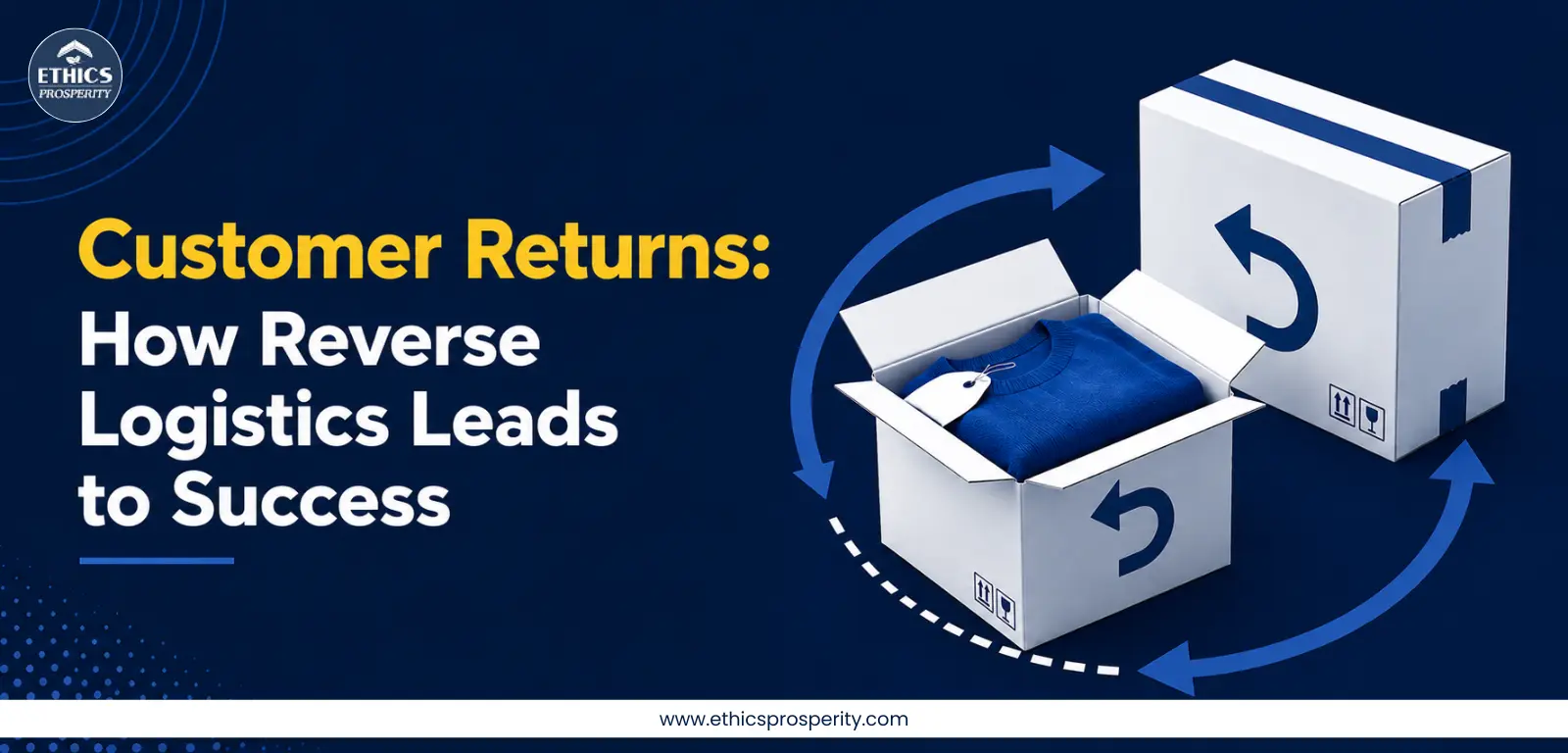
Reverse logistics refers to the process of moving goods from customers back to sellers, warehouses, manufacturers, or distribution centers for returns, repairs, recycling, refurbishment, replacement, or disposal.
Unlike forward logistics, where products move from suppliers to customers, reverse logistics focuses on handling products after delivery.
A typical reverse logistics workflow includes:
-
Return request processing
-
Product pickup coordination
-
Inspection and quality checks
-
Inventory reintegration
-
Product refurbishment or disposal
-
Refund or replacement processing
Modern Reverse logistics in supply chain operations are becoming increasingly technology-driven to improve visibility, reduce operational delays, and manage returns efficiently.
For e-commerce businesses, effective Reverse logistics for e-commerce operations directly influence customer retention and brand reputation.
Why Customer Returns Are Increasing in Modern Commerce
Customer returns are increasing due to multiple operational and consumer-driven factors.
Key reasons include:
-
Rapid e-commerce growth
-
Flexible return policies
-
Product expectation mismatches
-
Increased online apparel purchases
-
Damaged shipments during transit
-
Faster buying decisions
The growth of digital commerce has significantly changed consumer behavior. Customers now expect frictionless returns as part of the overall buying experience.
This has increased pressure on businesses to build efficient Customer returns management systems that minimize operational disruption while maintaining customer satisfaction.
Industries such as fashion and electronics often experience particularly high return rates due to sizing issues, product preferences, and specification mismatches.
Benefits of Reverse Logistics for Businesses
1. Improved Customer Satisfaction
An efficient returns experience strengthens customer trust and improves repeat purchase behavior.
Customers are more likely to buy from brands that provide:
-
Transparent return policies
-
Faster refunds
-
Easy pickup processes
-
Real-time return tracking
Returns experience has become a major competitive factor in e-commerce operations.
2. Reduced Operational Costs
Structured reverse logistics systems help businesses reduce unnecessary transportation expenses, warehouse congestion, and inventory losses.
Efficient return processing also minimizes manual operational inefficiencies.
Businesses implementing modern Reverse logistics solutions are improving operational cost control through:
-
Automated return workflows
-
Optimized transportation planning
-
Faster inventory recovery
3. Better Inventory Recovery
Returned inventory often retains significant resale or refurbishment value.
Efficient return handling helps businesses:
-
Recover usable inventory faster
-
Reduce product wastage
-
Improve inventory visibility
-
Optimize warehouse utilization
This is especially important for industries with high product turnover cycles.
4. Sustainability and Waste Reduction
Sustainability is becoming increasingly important across logistics and supply chain operations.
Reverse logistics helps businesses support sustainability goals through:
-
Product recycling
-
Refurbishment programs
-
Packaging reuse
-
Waste reduction initiatives
Many businesses are integrating sustainability metrics directly into their logistics operations and corporate reporting strategies.
Common Challenges in Returns Management
1. High Transportation Costs
Reverse transportation networks are often more expensive and operationally fragmented than forward logistics operations.
Coordinating product pickups across multiple customer locations increases operational complexity.
2. Inventory Visibility Issues
Many businesses struggle with tracking returned inventory accurately across warehouses and fulfillment centers.
Lack of visibility often leads to:
-
Inventory discrepancies
-
Delayed refunds
-
Overstocking issues
-
Operational inefficiencies
3. Delayed Return Processing
Slow return inspection and approval processes negatively impact customer experience and inventory recovery timelines.
4. Warehouse Congestion
High return volumes can disrupt warehouse workflows and create operational bottlenecks within warehousing environments.
Efficient return segregation and inventory classification systems are critical for operational continuity.
5. Complex Reverse Supply Chains
Reverse supply chains involve multiple stakeholders including:
-
Customers
-
Transportation providers
-
Fulfillment centers
-
Repair facilities
-
Recycling vendors
Managing these workflows efficiently requires integrated operational coordination.
Best Practices for Effective Reverse Logistics
1. Centralized Returns Management
Centralized returns operations improve visibility and operational consistency.
Businesses should establish standardized return workflows across all sales channels.
A structured Returns management process helps reduce delays and improve inventory accuracy.
2. Technology Integration
Technology is transforming reverse logistics operations across industries.
Modern systems provide:
-
Real-time return tracking
-
Automated return approvals
-
Inventory synchronization
-
Analytics dashboards
Leading logistics companies in India are increasingly adopting intelligent logistics technologies to improve operational efficiency.
3. Warehouse Optimization
Efficient warehouse planning is essential for managing returned inventory.
Businesses should create:
-
Dedicated returns zones
-
Inspection workflows
-
Fast inventory classification systems
-
Automated quality checks
Integrated warehouse operations improve return processing speed and inventory recovery.
4. Data-Driven Decision Making
Returns data provides valuable operational insights.
Businesses can analyze:
-
Product return patterns
-
Customer behavior trends
-
Packaging quality issues
-
Transportation damage risks
This data helps organizations improve product quality and operational planning.
Technology Trends Transforming Reverse Logistics in 2026
1. AI-Powered Return Analytics
AI tools are helping businesses predict return behavior and optimize inventory planning.
2. Automation in Return Processing
Automation is reducing manual intervention in:
-
Return approvals
-
Inventory classification
-
Refund processing
3. Real-Time Operational Visibility
Integrated dashboards provide better visibility across transportation, warehouse, and returns operations.
4. Smart Warehouse Integration
Advanced warehouse systems are improving return handling efficiency within broader distribution and fulfillment networks.
How Reverse Logistics Improves Customer Experience
Returns management directly affects customer perception and brand trust.
Efficient reverse logistics operations improve:
-
Return convenience
-
Refund speed
-
Communication transparency
-
Customer satisfaction
Customers increasingly prefer brands with simplified returns processes and responsive post-purchase support.
Businesses that prioritize returns experience often achieve stronger customer retention and improved long-term loyalty.
Future of Reverse Logistics in Supply Chain Operations
Reverse logistics is becoming an increasingly strategic area of modern supply chain management.
In the coming years, businesses are expected to invest more heavily in:
-
AI-driven return optimization
-
Sustainable logistics operations
-
Automated returns management
-
Circular supply chain models
-
Smart warehouse integration
As e-commerce continues growing, returns management will become one of the most important operational differentiators in customer-centric industries.
Conclusion
Customer returns are no longer just an operational challenge. They are a critical component of modern supply chain strategy and customer experience management.
Businesses that invest in efficient reverse logistics operations can improve inventory recovery, reduce operational costs, strengthen customer trust, and support sustainability objectives simultaneously.
As logistics ecosystems become more technology-driven and customer expectations continue evolving, reverse logistics will play an increasingly important role in building resilient and scalable supply chain operations.
Organizations that optimize return workflows, improve operational visibility, and integrate technology across logistics networks will gain a significant competitive advantage in the years ahead.
Ethics Prosperity helps businesses build scalable reverse logistics ecosystems designed to improve operational efficiency, customer satisfaction, and long-term supply chain performance.