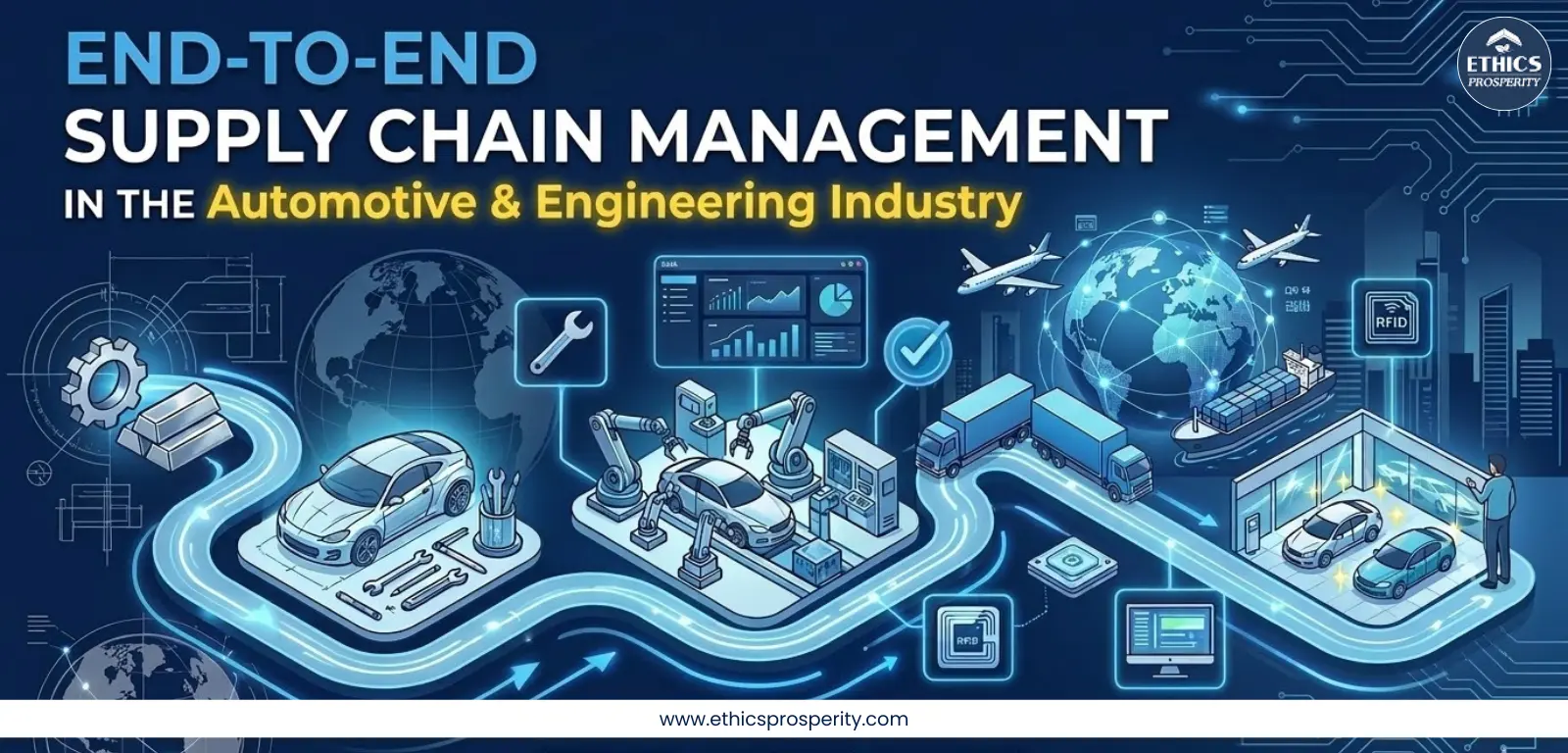
The automotive and engineering industry operates within one of the most complex supply chain ecosystems in the world. Modern vehicles and industrial equipment are built from thousands of components sourced from global suppliers. A single automotive product may involve hundreds of vendors, multiple manufacturing facilities, and extensive transportation networks.
Because of this complexity, End-to-End Supply Chain Management has become essential for operational efficiency and business growth.
A connected supply chain integrates warehouse and logistics operations, distribution management, inbound and outbound logistics, and digital technologies into a single synchronized framework. When managed effectively, this approach improves visibility, reduces operational costs, and ensures that manufacturers can meet market demand without delays.
In today's competitive environment, companies are increasingly collaborating with supply chain companies in India, warehouse companies in India, and 3PL companies in India to optimize their supply chain infrastructure and improve scalability.
What Is End-to-End Supply Chain Management?
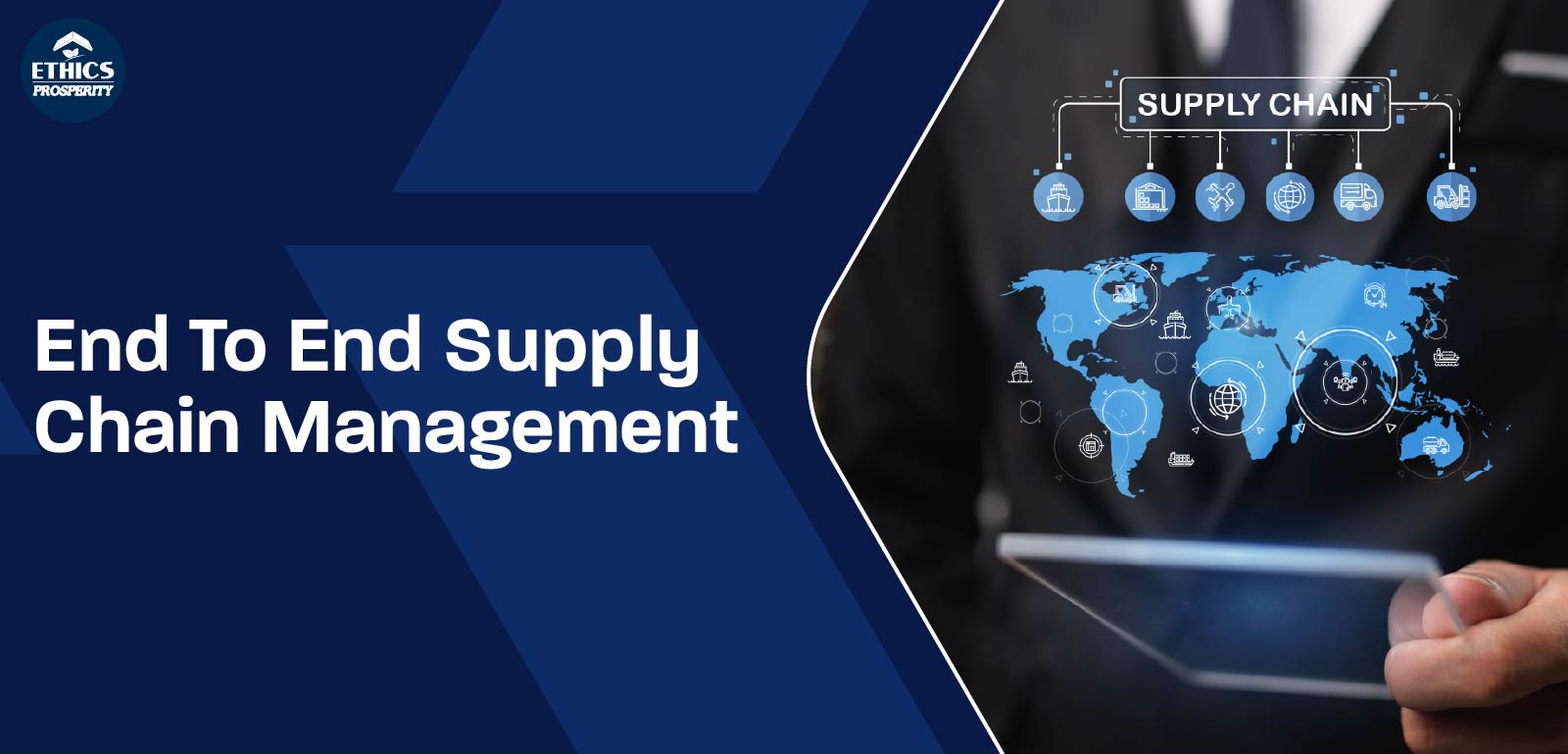
End-to-End Supply Chain Management refers to the complete coordination of supply chain activities from raw material sourcing to final product delivery.
It integrates:
-
procurement
-
production planning
-
custom warehousing
-
logistics operations
-
distribution management
This approach ensures that materials, data, and products move efficiently across the entire supply network.
Advanced systems such as Warehouse Management Systems (WMS), AI in supply chain management, and blockchain in supply chain are increasingly used to improve transparency and decision making.
With real-time data visibility, companies can track inventory levels, monitor shipments, and manage supplier relationships more effectively.
Automotive and Engineering Supply Chain Ecosystem
The automotive supply chain involves multiple interconnected stakeholders:
-
raw material suppliers
-
component manufacturers
-
assembly plants
-
warehouse facilities
-
logistics providers
-
distributors and dealers
Managing this ecosystem requires efficient coordination across warehouse and logistics operations, inbound and outbound logistics, and distribution management systems.
Manufacturers often rely on part truck load transportation networks and large logistics providers to move components between production facilities.
In many cases, companies outsource logistics operations to top logistics companies in India to improve operational efficiency and reduce infrastructure costs.
Key Components of Automotive Supply Chain Management
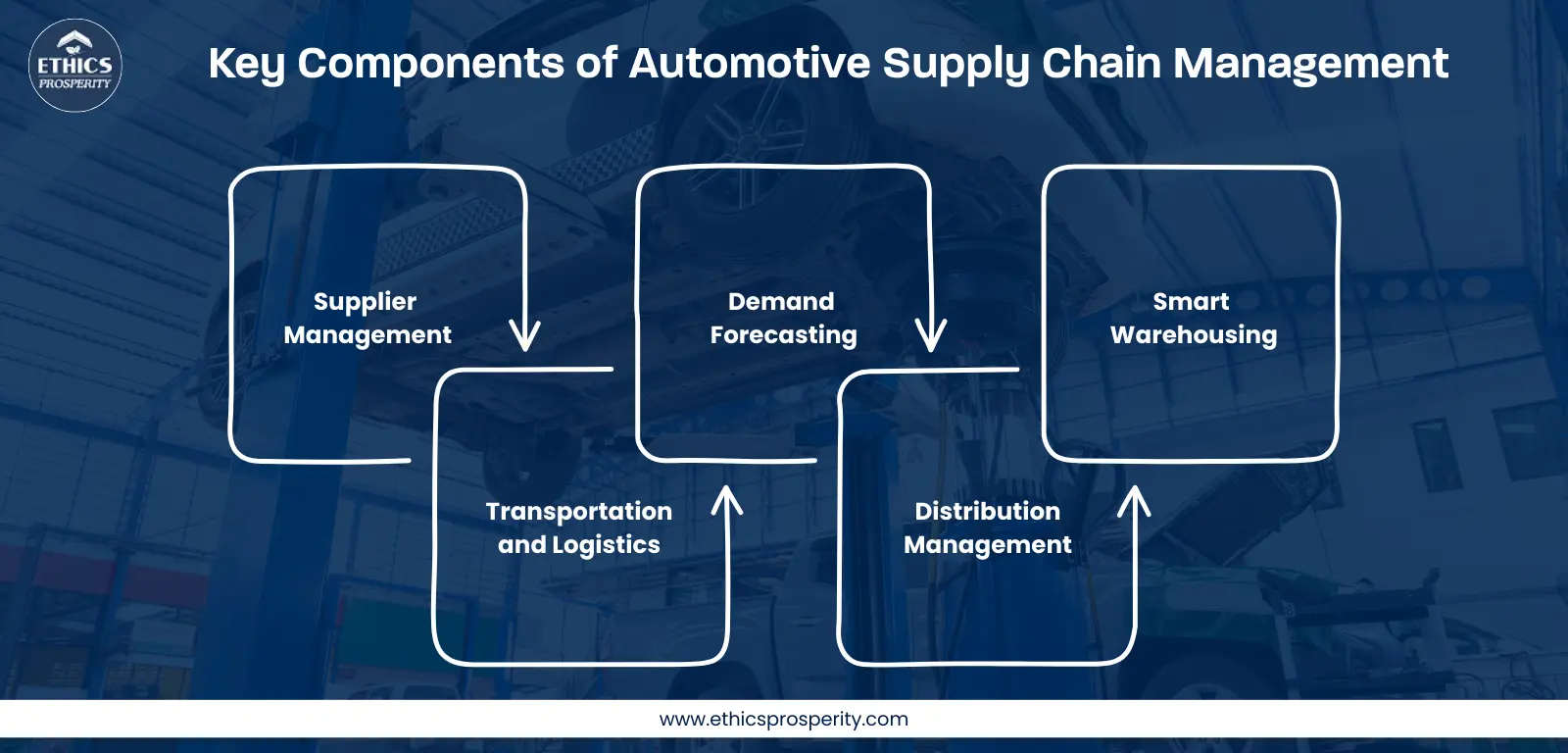
Supplier Management
Reliable supplier relationships are essential for ensuring a continuous supply of raw materials and components.
Advanced systems help monitor supplier performance and maintain consistent quality standards.
Demand Forecasting
Accurate demand forecasting plays a critical role in automotive manufacturing.
With the help of AI in logistics and predictive analytics, companies can anticipate market demand and adjust production schedules accordingly.
Smart Warehousing
Modern supply chains rely on smart warehousing solutions that use automation, robotics, and digital tracking systems.
Key technologies include:
-
warehouse management system (WMS)
-
AI-powered inventory systems
These technologies improve inventory accuracy and reduce handling errors.
Transportation and Logistics
Efficient logistics ensures smooth movement of goods between suppliers, factories, and distribution centers.
Key logistics components include:
-
inbound and outbound logistics
-
part truck load transportation
-
customs bonded warehouse facilities
These solutions help companies maintain uninterrupted production flows.
Distribution Management
Distribution management ensures that finished products reach dealers and customers on time.
In urban markets, companies are increasingly adopting micro-fulfillment centers and dark stores to improve delivery speed and customer responsiveness.
Role of Technology in Modern Automotive Supply Chains
Technology has transformed supply chains into intelligent digital ecosystems.
Some of the most impactful innovations include:
AI in Supply Chain Management
Artificial intelligence helps optimize inventory planning, route optimization, and demand forecasting.
AI systems analyze historical data to predict demand fluctuations and reduce operational risks.
Blockchain in Supply Chain
Blockchain technology provides transparent and tamper-proof transaction records.
This improves trust between suppliers, manufacturers, and logistics providers.
Warehouse Automation
Automation systems improve efficiency in cold storage warehouses, custom warehousing, and large distribution centers.
Robotics and automated picking systems reduce processing time and improve productivity.
Smart Warehousing Infrastructure
Smart warehouses integrate:
-
IoT sensors
-
automated inventory systems
-
real-time monitoring
-
blockchain in smart warehousing
These innovations enable accurate inventory tracking and faster order fulfillment.
Emerging Trends in Automotive Supply Chains
The supply chain landscape is evolving rapidly.
Major trends include:
Growth of Outsourcing Logistics:
Many manufacturers partner with 3PL companies in India to manage warehousing, transportation, and distribution.
This allows companies to focus on core manufacturing operations.
Rise of Quick Commerce Logistics:
Although primarily associated with retail, quick commerce companies and micro-fulfillment centers are influencing supply chain strategies for spare parts and accessories distribution.
Understanding quick commerce vs e-commerce logistics helps companies develop faster delivery models.
Reverse Supply Chain
Sustainability initiatives have increased focus on reverse supply chain processes, including recycling, refurbishment, and product returns management.
This supports circular supply chain models and reduces environmental impact.
Challenges in Automotive Supply Chains
Despite technological advancements, automotive supply chains still face major challenges.
Supply Disruptions:
Global supplier networks increase vulnerability to geopolitical disruptions, transportation delays, and raw material shortages.
Logistics Costs:
Rising fuel prices and transportation expenses continue to impact logistics budgets.
Inventory Complexity:
Managing inventory across multiple warehouse locations requires strong digital systems and accurate demand forecasting.
Technology Implementation:
Implementing advanced technologies like AI, blockchain, and automation requires significant investment and workforce training.
Benefits of End-to-End Supply Chain Management
Companies that implement integrated supply chain strategies gain several advantages.
Improved Visibility:
Real-time tracking systems improve operational transparency.
Faster Deliveries:
Optimized logistics networks reduce transit times.
Cost Efficiency:
Better planning reduces waste and operational expenses.
Better Customer Experience:
Efficient supply chains ensure faster product availability and improved service reliability.
Conclusion
End-to-End Supply Chain Management plays a vital role in ensuring operational efficiency in the automotive and engineering industry.
By integrating warehouse operations, logistics networks, distribution management systems, and advanced digital technologies, companies can build resilient and scalable supply chain ecosystems.
Organizations that partner with experienced supply chain companies in India, warehouse companies in India, and logistics providers can strengthen operational efficiency and adapt quickly to changing market demands.
With emerging technologies such as AI in supply chain management, blockchain in supply chain, and smart warehousing, the future of automotive supply chains will be more intelligent, transparent, and responsive.