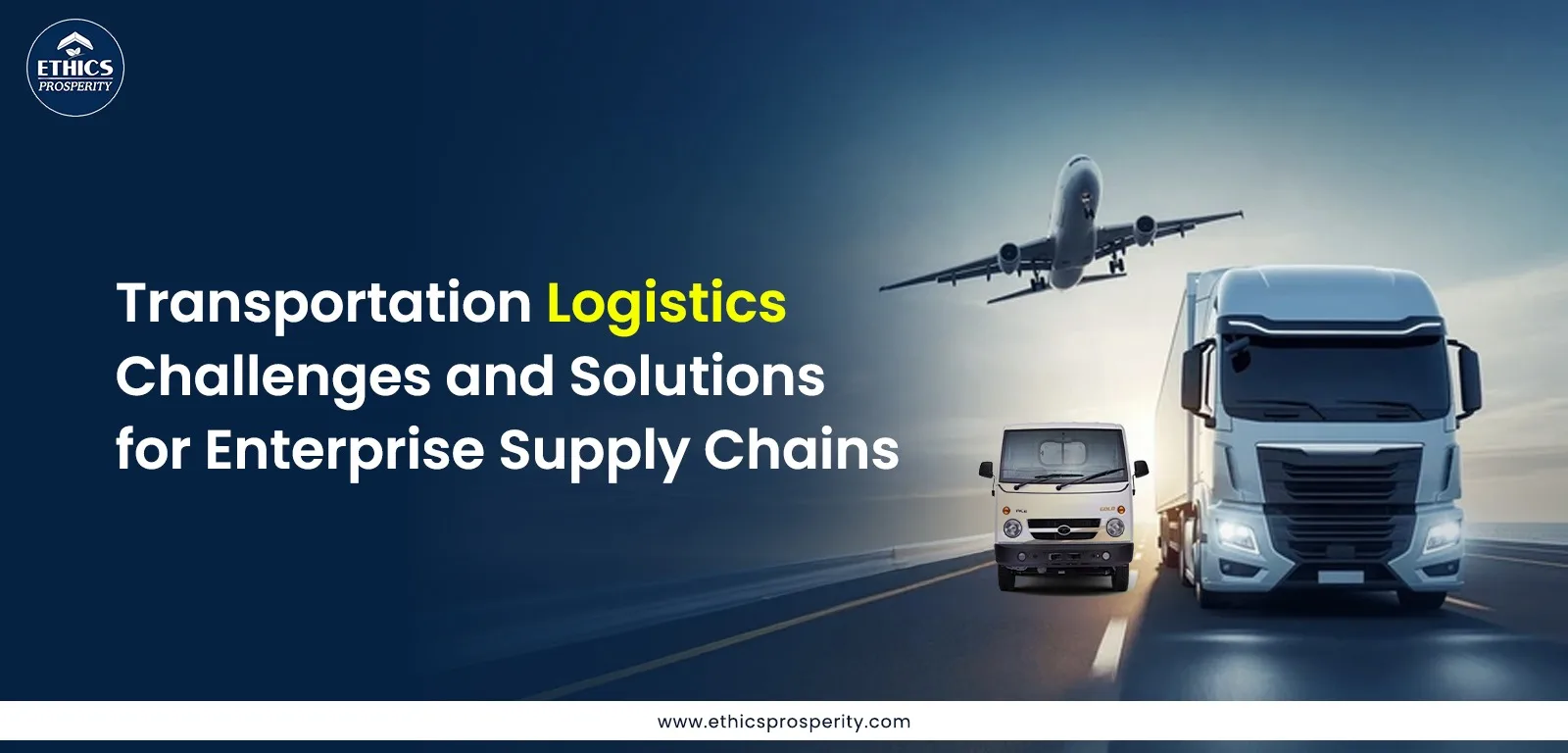
In today’s highly dynamic and interconnected business environment, transportation plays a critical role in ensuring seamless product movement across supply chains. However, increasing demand volatility, rising fuel costs, and operational complexities have intensified logistic challenges for enterprises.
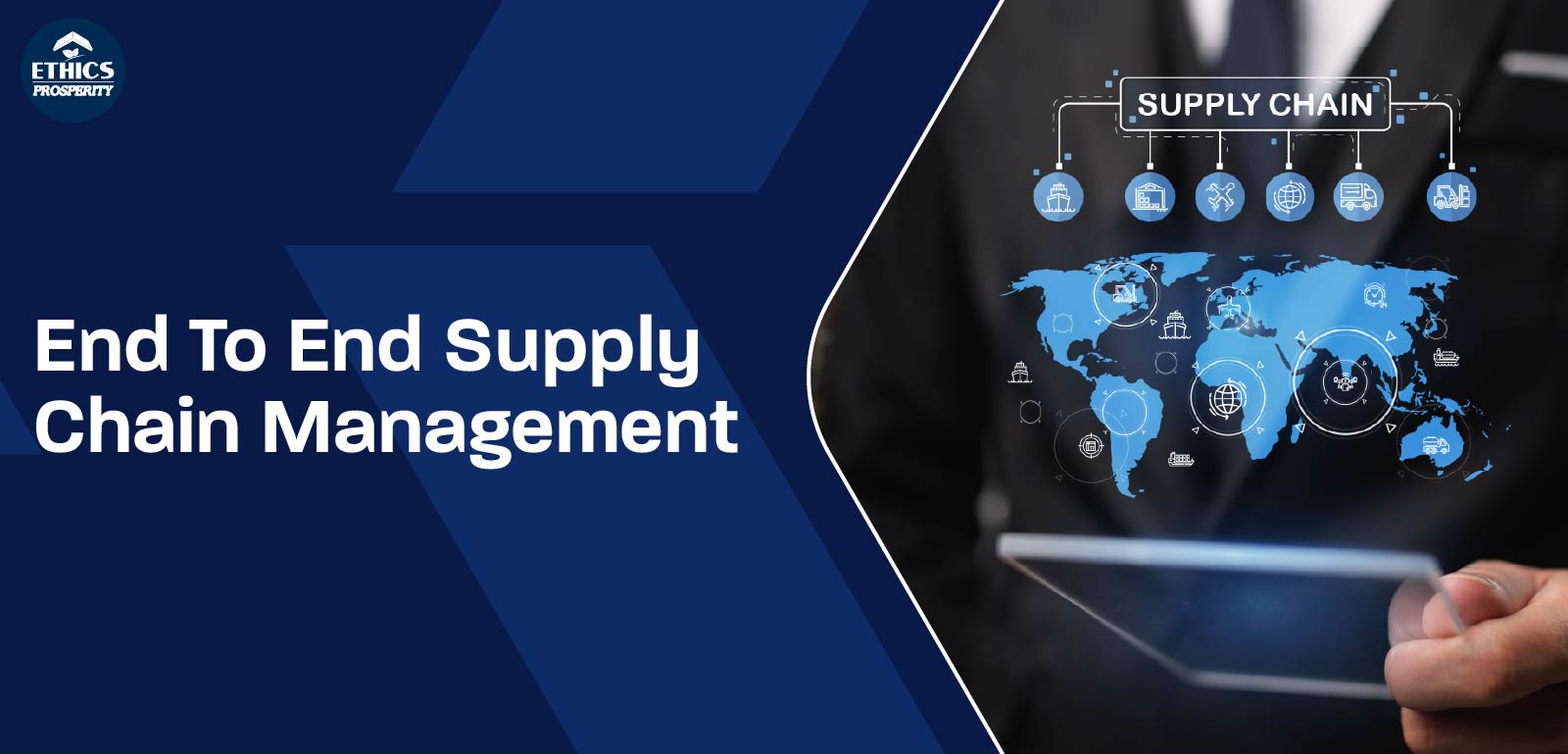
Organizations striving for efficiency within End-to-End Supply Chain Management must address these challenges strategically. From improving delivery timelines to managing costs and risks, transportation logistics has become a key differentiator for competitive advantage.
As industries evolve—from the Pharmaceutical Supply Chain to the Modern trucking industry—enterprises must adopt advanced strategies and technologies to overcome transportation bottlenecks and enhance operational performance.
Key Transportation Logistics Challenges in Enterprise Supply Chains
1. Rising Transportation Costs
Fuel price volatility, labor expenses, and infrastructure costs significantly impact logistics budgets. Enterprises often struggle to maintain cost efficiency while meeting service expectations.
2. Last-Mile Delivery Complexities
The final stage of delivery remains one of the most challenging aspects. Managing Last Mile Delivery Challenges and Solutions requires efficient coordination with Last Mile Delivery Companies, especially in urban areas with traffic congestion and delivery constraints.
3. Lack of Real-Time Visibility
Limited visibility into shipment status leads to delays, inefficiencies, and poor decision-making. Without real-time insights, businesses cannot effectively manage disruptions.
4. Inefficient Logistics Planning
Poor Logistics Planning results in suboptimal routing, delays, and increased operational costs. It also affects coordination across supply chain nodes.
5. Demand Variability
Fluctuating demand patterns make it difficult to maintain consistency in transportation operations, impacting service levels and resource utilization.
6. Fragmented Supply Chain Networks
Enterprises often work with multiple vendors, including 3PL Companies in India, leading to coordination challenges and inefficiencies.
7. Regulatory and Compliance Issues
Compliance with transportation regulations, especially in sectors like pharmaceuticals, adds complexity to logistics operations.
Proven Solutions to Overcome Transportation Challenges
1. Adoption of Advanced Technologies
Leveraging AI & Machine Learning and Predictive Analytics enables better forecasting, route optimization, and proactive decision-making.
2. Enhanced Visibility Through Digital Tools
Implementing tracking systems and integrated platforms provides real-time visibility, improving transparency and operational control.
3. Optimized Warehousing Integration
Using advanced Warehousing Solutions and systems like the Warehouse Management System(WMS) ensures better coordination between storage and transportation.
4. Strategic Partnerships
Collaborating with reliable partners, including leading Logistics companies in India, enhances scalability and efficiency.
5. Demand-Driven Planning
Integrating transportation with demand forecasting helps align resources with market requirements, reducing inefficiencies.
6. Hybrid Delivery Models
Adopting models like Hyperlocal vs Last Mile Delivery enables businesses to balance speed and cost efficiency.
7. Customized Supply Chain Strategies
Tailoring logistics strategies for industries such as Supply Chain Management in the Automotive & Engineering Industry ensures better alignment with operational requirements.
Role of Digital Transformation in Transportation Logistics
Digital transformation is reshaping transportation logistics by enabling data-driven operations and real-time decision-making.
1. Data Integration Across Supply Chains
Modern systems integrate data across supply chain nodes, improving coordination and efficiency.
2. Automation and Smart Systems
Automation reduces manual intervention, enhances accuracy, and improves operational efficiency.
3. Improved Customer Experience
Technology-driven logistics ensures faster and more reliable deliveries, enhancing customer satisfaction.
4. Support for Emerging Business Models
The growth of Quick Commerce Companies has increased the need for faster and more efficient transportation systems.
5. Integration with Advanced Logistics Models
Understanding frameworks like What is 3pl, 4pl, and 5pl helps enterprises choose the right logistics strategy for scalability and efficiency.
Best Practices for Enterprise Logistics Leaders
1. Invest in Technology
Adopting advanced tools and platforms is essential for improving efficiency and competitiveness.
2. Strengthen Vendor Collaboration
Building strong relationships with logistics partners ensures better coordination and service delivery.
3. Focus on Risk Management
Proactive Risk Management strategies help mitigate disruptions and ensure business continuity.
4. Optimize Inventory and Distribution
Aligning transportation with inventory strategies improves efficiency and reduces costs.
5. Benchmark Industry Leaders
Analyzing practices of the Top 5 Supply Chain Companies in Bangalore and infrastructure from the Top 10 Warehousing Companies in Gurugram helps organizations adopt best-in-class strategies.
Conclusion
Transportation logistics remains one of the most critical components of modern supply chains. Addressing logistical challenges requires a strategic approach that combines technology, collaboration, and efficient planning.
Enterprises that embrace digital transformation and adopt innovative logistics strategies will gain a significant competitive advantage. By optimizing transportation operations, businesses can improve efficiency, reduce costs, and enhance customer satisfaction.
Ethics Prosperity enables organizations to overcome logistics challenges through technology-driven solutions, ensuring seamless operations and sustainable growth.