The modern logistics landscape is undergoing a structural shift driven by rising customer expectations, digital transformation, and the need for faster fulfillment. Businesses today are not just competing on product quality or pricing—they are competing on delivery speed and reliability.
Within End-to-End Supply Chain Management, the final stage of delivery plays a critical role in shaping customer experience. Two models dominating this space are hyperlocal delivery and last-mile delivery.
While both aim to bridge the gap between warehouses and end consumers, their operational approach, speed, and infrastructure requirements differ significantly. Understanding these differences is essential for businesses seeking to optimize Supply Chain Management and stay competitive in a rapidly evolving market.
What is Last-Mile Delivery?
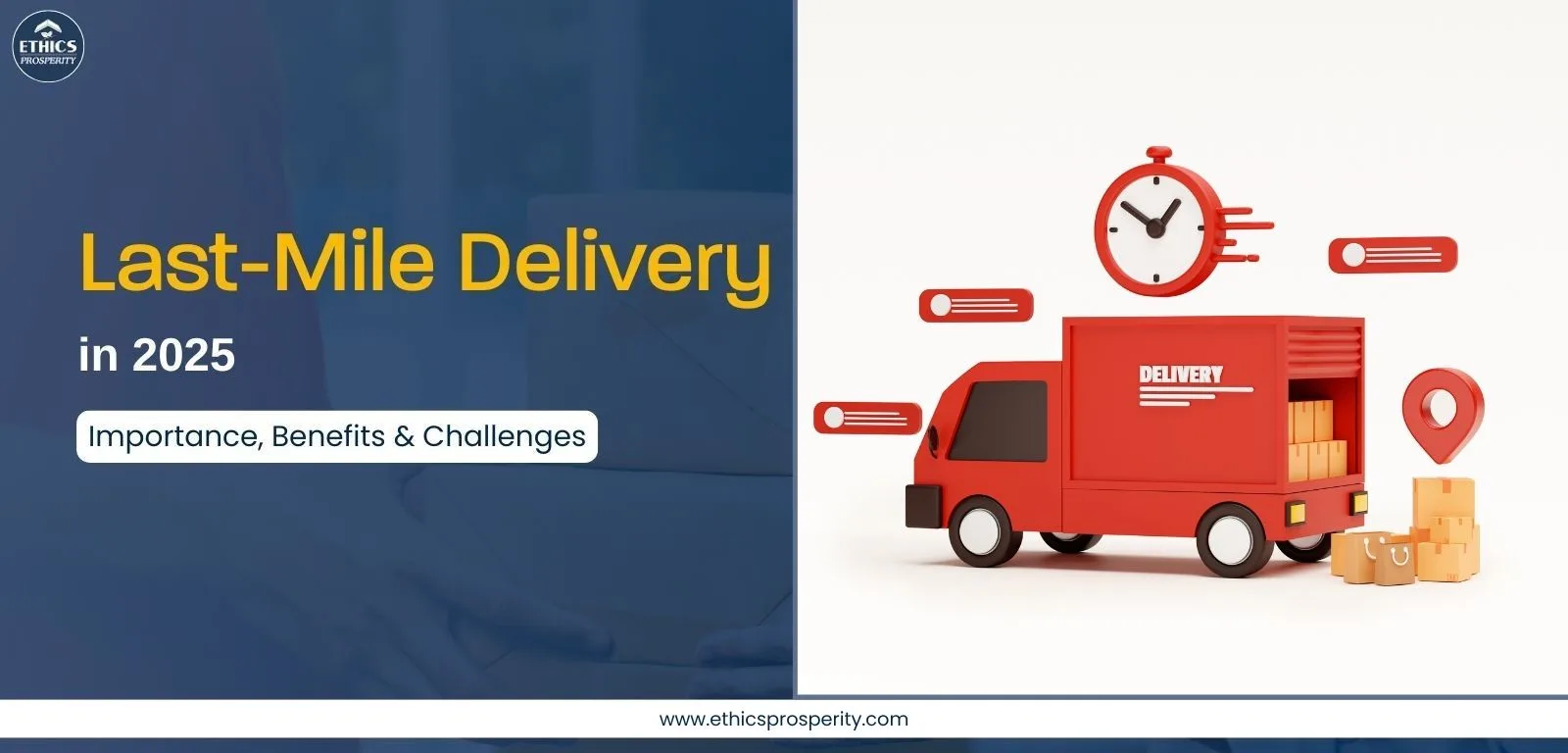
Last-mile delivery refers to the final step in the logistics process where goods are transported from a distribution hub to the end customer.
This model is widely used across industries and involves coordination with Last Mile Delivery Companies to ensure efficient delivery execution. It plays a vital role in addressing Last Mile Delivery Challenges and Solutions, including route optimization, delivery delays, and cost management.
Key Characteristics:
-
Covers longer delivery distances
-
Typically takes 1–3 days
-
Relies on centralized warehousing systems
-
Focuses on efficiency and cost control
Last-mile delivery is a critical component for businesses working with 3PL Companies in India, enabling them to scale operations and expand their reach.
What is Hyperlocal Delivery?
Hyperlocal delivery is a proximity-based logistics model where goods are delivered from nearby stores or micro-fulfillment centers to customers within a short time frame.
This model is gaining traction with the rise of Quick Commerce Companies, where delivery timelines are measured in hours or even minutes.
Key Characteristics:
-
Operates within a limited geographic radius
-
Enables same-day or instant delivery
-
Uses decentralized inventory systems
-
Focuses on speed and convenience
Hyperlocal delivery heavily depends on advanced Logistics Planning and real-time coordination to ensure efficient operations.
Key Differences Between Hyperlocal and Last-Mile Delivery
|
Aspect |
Hyperlocal Delivery |
Last-Mile Delivery |
|
Delivery Speed |
Minutes to hours |
1–3 days |
|
Coverage Area |
Short distance |
Wider geographical area |
|
Inventory Model |
Decentralized |
Centralized |
|
Customer Expectation |
Instant fulfillment |
Standard delivery |
|
Cost Structure |
Optimized for short routes |
Higher due to longer distances |
|
Technology Dependence |
High |
Moderate |
Hyperlocal delivery leverages localized Warehousing Solutions and Custom Warehousing, while last-mile delivery relies on centralized distribution hubs.
Businesses exploring infrastructure from the Top 10 Warehousing Companies in Gurugram often adopt a hybrid approach combining both models for optimal performance.
Challenges in Both Models
Challenges in Last-Mile Delivery
-
High Operational Costs
Longer delivery distances increase fuel and labor costs. -
Inefficient Routing
Traffic congestion and multiple delivery points impact efficiency. -
Limited Visibility
Lack of real-time tracking affects customer satisfaction. -
Demand Variability
Fluctuating demand complicates Demand Forecasting and planning.
Challenges in Hyperlocal Delivery
-
Infrastructure Dependency
Requires strategically located micro-fulfillment centers. -
Inventory Management Complexity
Maintaining stock across multiple locations impacts Inventory Optimization. -
High Technology Requirement
Relies heavily on systems like Warehouse Management System(WMS). -
Operational Risk
Real-time operations demand strong Risk Management capabilities.
Future Trends in Delivery Models
1. Integration of AI and Data Analytics
The use of AI & Machine Learning and Predictive Analytics will enable smarter routing, demand prediction, and operational efficiency.
2. Rise of Hybrid Delivery Models
Businesses will combine hyperlocal and last-mile delivery to balance speed and cost efficiency.
3. Demand-Driven Supply Chains
Integration with Demand Forecasting in Supply Chain will enable real-time inventory positioning and faster response to market changes.
4. Industry-Specific Customization
Sectors like the Pharmaceutical Supply Chain require hybrid delivery models for time-sensitive products.
Similarly, Supply Chain Management in the Automotive & Engineering Industry will leverage these models for faster spare part distribution.
5. Collaboration with Logistics Providers
Partnerships with leading players, including those comparable to the Top 5 Supply Chain Companies in Bangalore, will enable scalable and efficient delivery networks.
Conclusion
Hyperlocal and last-mile delivery models serve distinct yet complementary roles in modern supply chains. While last-mile delivery focuses on cost-efficient distribution across wider regions, hyperlocal delivery prioritizes speed and proximity.
Businesses must evaluate their operational needs, customer expectations, and industry requirements to choose the right model or adopt a hybrid approach. The future of logistics lies in integrating both models with advanced technologies and data-driven strategies.
Ethics Prosperity empowers businesses to design agile, efficient, and scalable delivery networks that align with evolving market demands and ensure superior customer experience.