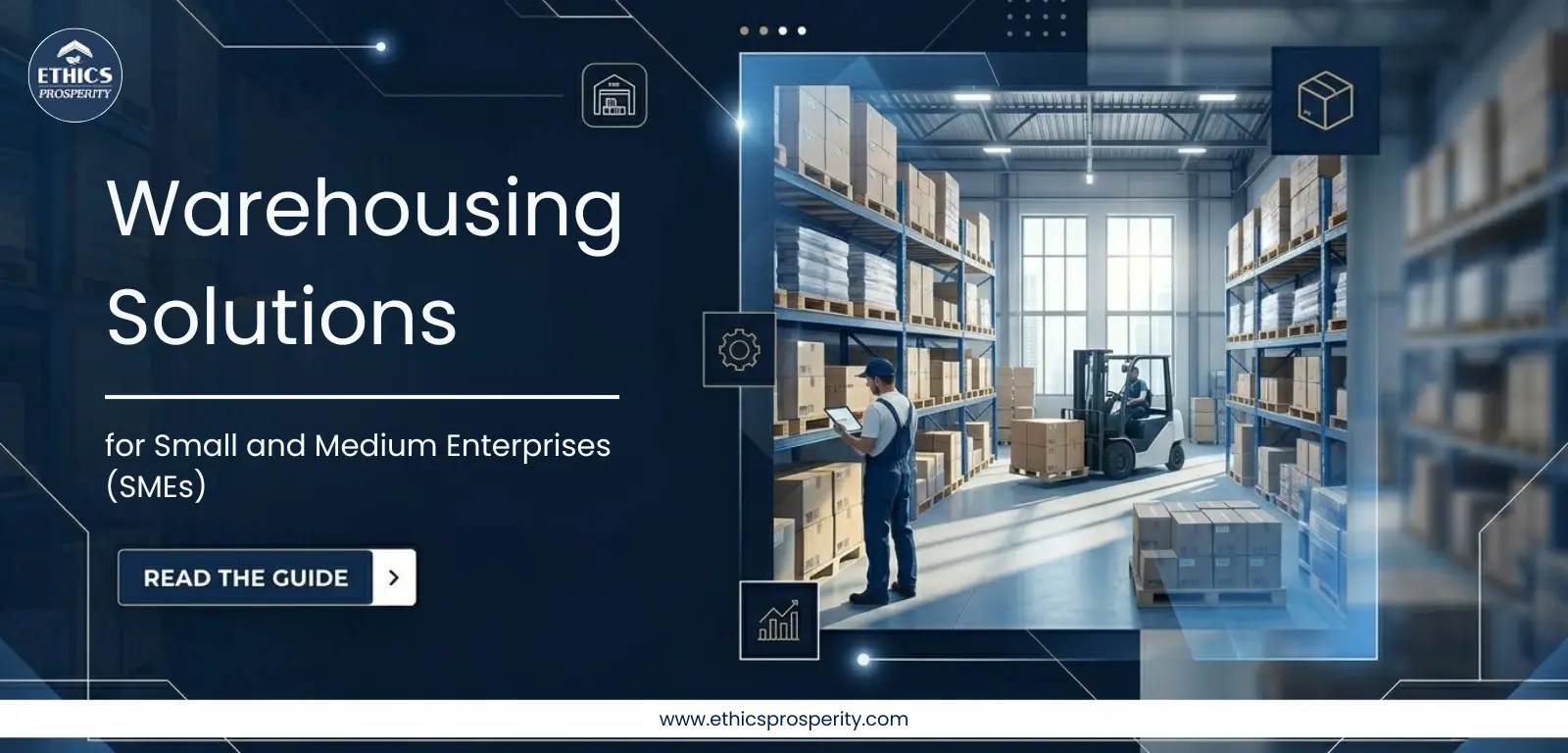
In today’s highly competitive and demand-driven economy, Small and Medium Enterprises (SMEs) are under constant pressure to deliver faster, operate leaner, and scale smarter. The backbone enabling this transformation is efficient warehousing.
Traditionally, warehousing was seen as a cost center. However, modern businesses now recognize it as a strategic enabler within End-to-End Supply Chain Management. For SMEs, the right warehousing solution can directly influence inventory visibility, order fulfillment speed, and customer satisfaction.
With the rapid growth of E-commerce, Quick Commerce Companies, and evolving consumer expectations, SMEs must adopt smart warehousing strategies to remain competitive against large enterprises and established Supply Chain Companies in India.
Why SMEs Need Modern Warehousing Solutions
SMEs operate with limited capital, fluctuating demand, and constrained infrastructure. Without optimized warehousing, these limitations can lead to inefficiencies such as stockouts, overstocking, and delayed deliveries.
Modern Warehouse and Logistics solutions help SMEs:
-
Optimize inventory carrying costs
-
Improve operational visibility
-
Enable faster order processing
-
Support multi-channel distribution
-
Scale operations without heavy CAPEX
Additionally, SMEs competing with Top logistics companies in India must ensure their backend operations are equally agile and tech-enabled.
A robust warehousing model allows SMEs to integrate seamlessly with Last Mile Delivery Companies, ensuring timely fulfillment and improved customer experience.
Types of Warehousing Solutions for SMEs
On-Demand / Flexible Warehousing
Flexible warehousing is an asset-light model that allows SMEs to scale storage space based on demand fluctuations.
This model is particularly useful for:
-
Seasonal businesses
-
E-commerce sellers
-
Startups testing new markets
It eliminates long-term lease commitments while ensuring access to professionally managed infrastructure, similar to offerings by Warehouse Companies in India.
Dedicated / Contract Warehousing
In this model, a warehouse is exclusively allocated to a single business under a long-term agreement.
Best suited for SMEs with:
-
Stable demand patterns
-
High inventory volumes
-
Specialized storage needs
Dedicated warehousing ensures:
-
Operational control
-
Custom process design
-
Higher efficiency in distribution management
Shared / Public Warehousing
Shared warehousing allows multiple businesses to operate within the same facility.
Key benefits include:
-
Lower operational costs
-
Shared infrastructure and manpower
-
Reduced financial risk
This model is widely adopted by SMEs partnering with 3PL Companies in India, enabling access to advanced warehousing without heavy investments.
Bonded Warehousing
A Customs Bonded Warehouse allows businesses to store imported goods without immediate payment of customs duties.
Ideal for SMEs involved in:
-
Import-export operations
-
International trade
Benefits include:
-
Improved cash flow management
-
Deferred duty payments
-
Compliance with regulatory frameworks
Temperature-Controlled Warehousing
For industries like pharmaceuticals, food, and FMCG, Cold Storage Warehouses are critical.
These facilities maintain controlled environments to preserve product quality and compliance.
Key advantages:
-
Reduced spoilage and wastage
-
Regulatory compliance
-
Extended product shelf life
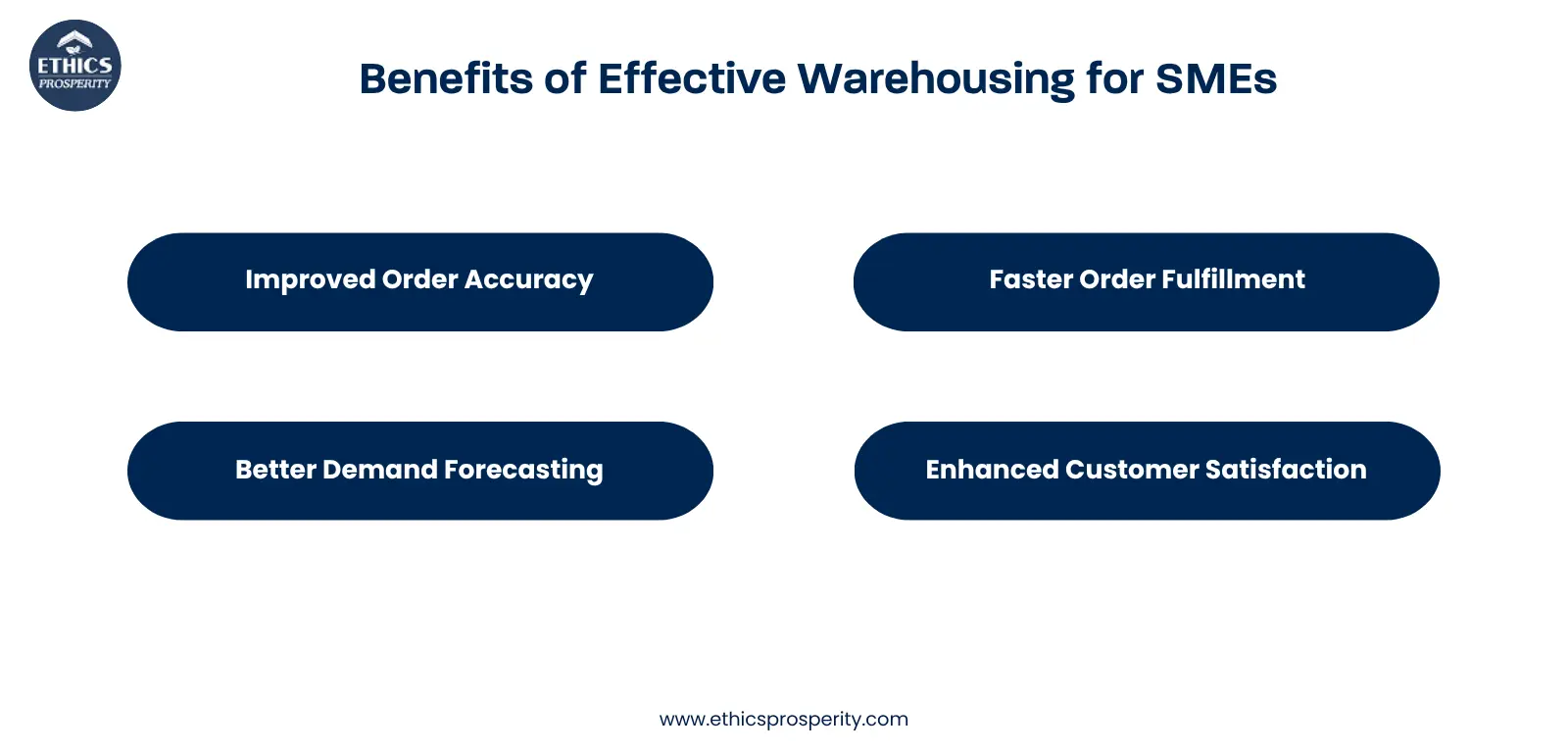
Benefits of Effective Warehousing for SMEs
Reduced Operational Costs
Efficient warehousing minimizes unnecessary storage costs, labor inefficiencies, and inventory holding expenses.
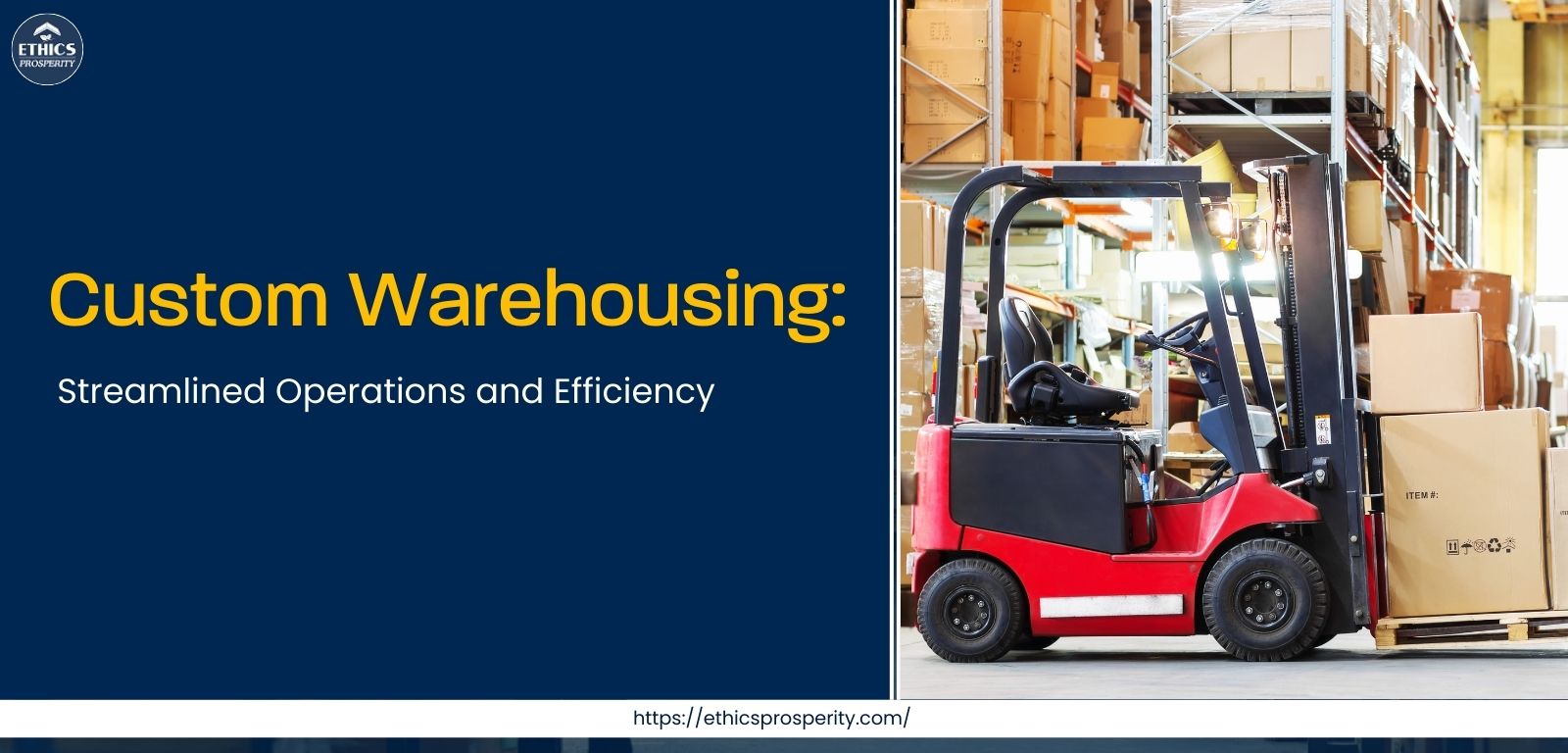
By leveraging Custom Warehousing solutions, SMEs can align costs directly with business requirements.
Improved Order Accuracy
Modern systems reduce manual errors through automation and real-time tracking.
Accurate order fulfillment strengthens brand trust and reduces return rates.
Faster Order Fulfillment
With optimized layout, inventory placement, and integration with Last Mile Delivery Companies, SMEs can significantly reduce delivery timelines.
This is especially critical when competing with Quick Commerce Companies offering same-day or next-day delivery.
Better Demand Forecasting
Data-driven warehousing enables businesses to analyze historical trends and predict future demand.
This reduces stockouts and overstocking, improving working capital efficiency.
Enhanced Customer Satisfaction
Faster deliveries, accurate orders, and real-time updates lead to superior customer experience.
This directly impacts customer retention and brand loyalty.
Role of Technology in SME Warehousing
Technology is the defining factor between traditional storage and Smart Warehousing.
Warehouse Management System (WMS)
A Warehouse Management System(WMS) acts as the central nervous system of warehouse operations.
Key functionalities:
-
Inventory tracking in real-time
-
Order management
-
Space optimization
-
Reporting and analytics
WMS adoption is no longer optional—it is essential for SMEs aiming to compete with the best supply chain companies.
Automation (Barcode, RFID, Robotics)
Automation improves speed, accuracy, and efficiency.
Common technologies include:
-
Barcode scanning
-
RFID tracking
-
Conveyor systems
-
Robotics for picking and packing
These solutions support warehouse automation, reducing dependency on manual processes.
AI-Driven Demand Forecasting
The integration of Ai in logistics enables predictive analytics for inventory planning.
Benefits:
-
Accurate demand prediction
-
Reduced excess inventory
-
Improved procurement planning
AI-driven systems are now widely adopted across Supply Chain Companies in India to enhance decision-making.
Cloud-Based Solutions for Scalability
Cloud platforms enable SMEs to:
-
Access data remotely
-
Scale operations quickly
-
Integrate with multiple sales channels
This is particularly beneficial for businesses operating across regions like warehousing companies in Gurugram and other logistics hubs.
Blockchain in Smart Warehousing
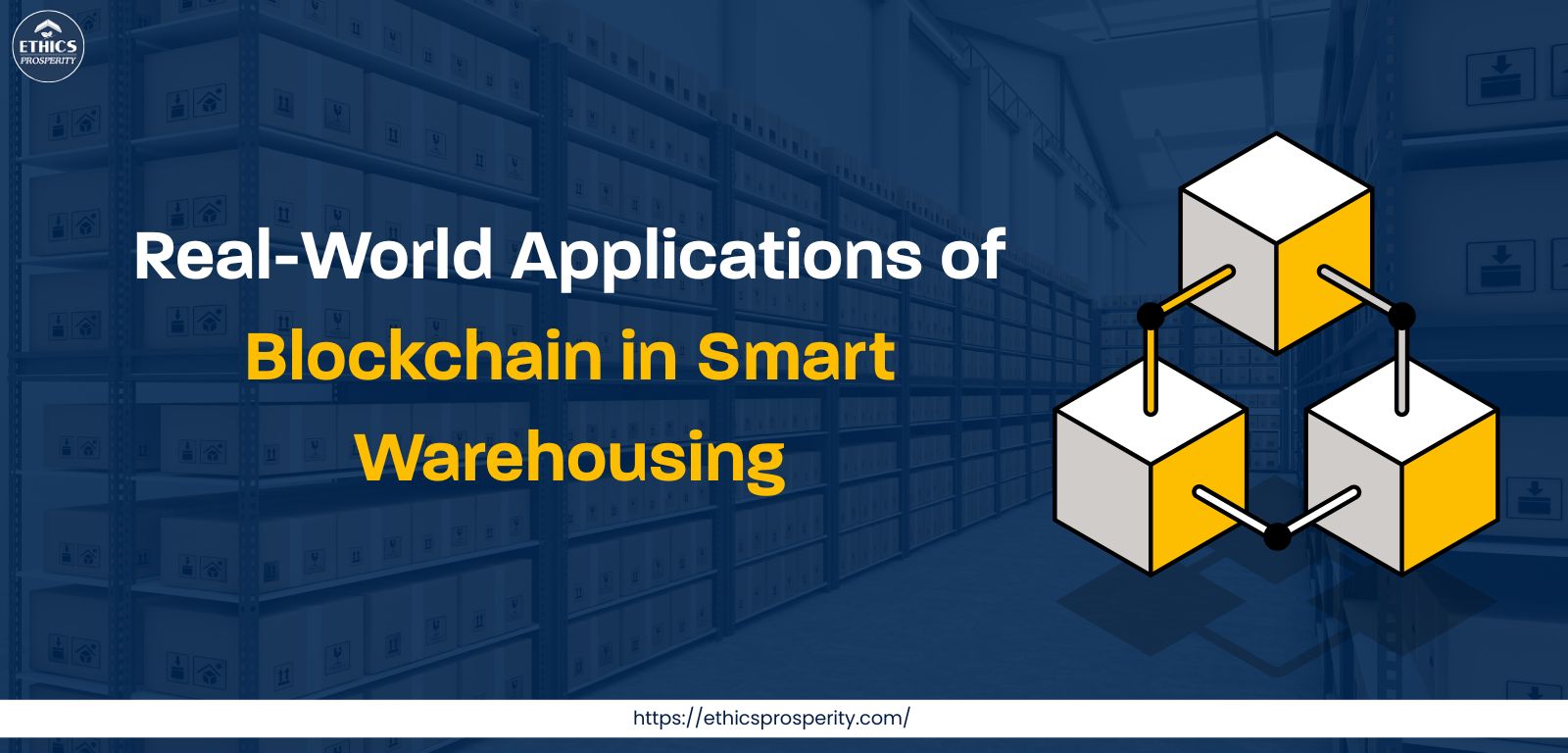
The adoption of Blockchain in smart warehousing ensures transparency, traceability, and security in supply chain transactions.
Key advantages:
-
Tamper-proof records
-
Enhanced trust across stakeholders
-
Improved compliance and auditability
Conclusion
Warehousing is no longer just about storage—it is a strategic growth lever for SMEs.
By adopting modern warehousing solutions, SMEs can:
-
Compete with large enterprises
-
Improve operational efficiency
-
Enhance customer satisfaction
-
Scale sustainably
Partnering with experienced Warehouse Companies in India or 3PL Companies in India allows SMEs to leverage industry best practices without heavy infrastructure investment.
In a landscape dominated by speed, accuracy, and customer expectations, investing in Smart Warehousing is not an option—it is a necessity.