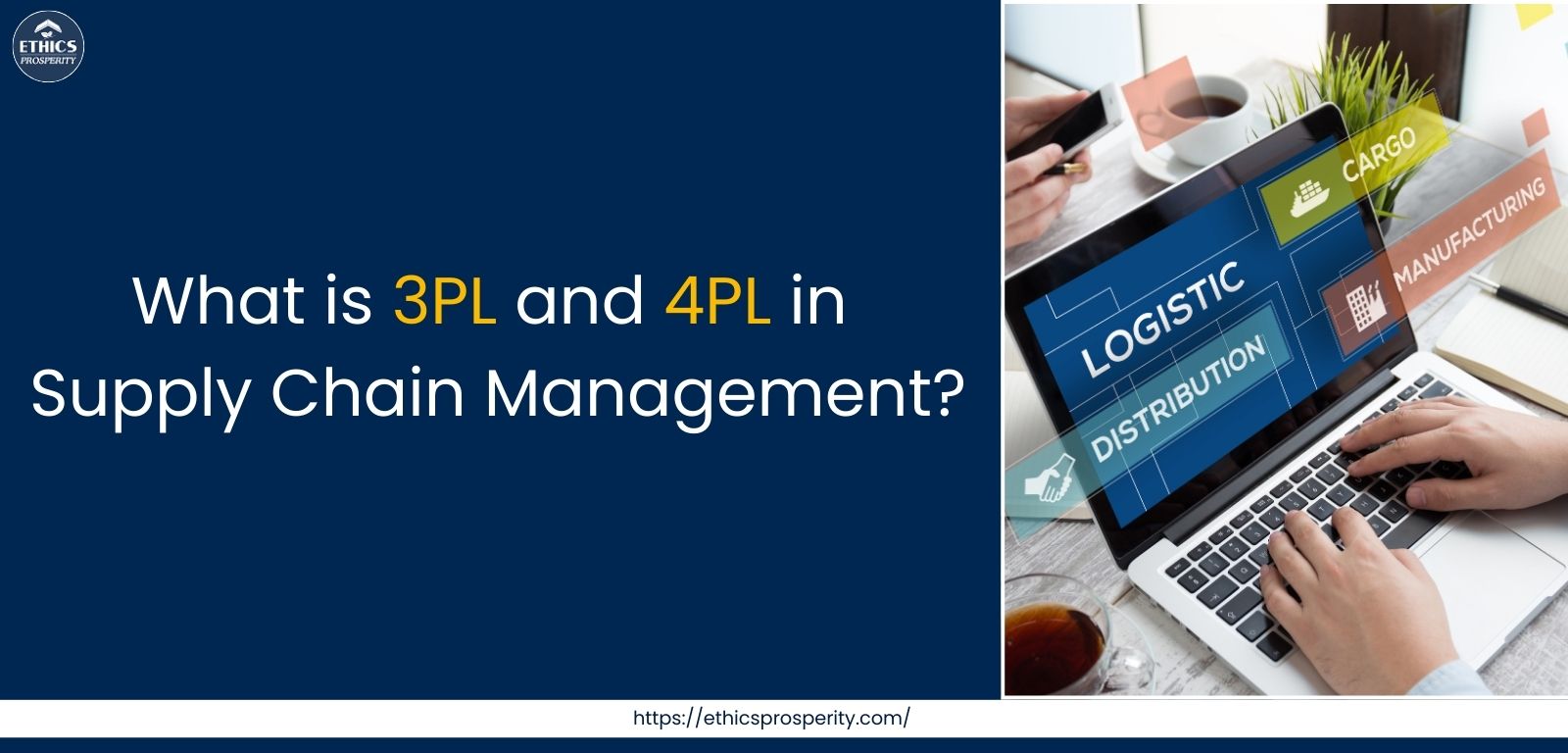
Third-Party Logistics (3PL) vs. Fourth-Party Logistics (4PL) vs. Fifth-Party Logistics (5PL): Key Differences
Introduction
In an increasingly complex and globalized business environment, logistics outsourcing has evolved from simple transportation support to comprehensive supply chain orchestration. Organizations seeking efficiency, scalability, and competitive advantage must understand the distinctions between Third-Party Logistics (3PL), Fourth-Party Logistics (4PL), and Fifth-Party Logistics (5PL).
As businesses transition toward End-to-End Supply Chain Management, selecting the right logistics model becomes a strategic decision that impacts operational efficiency, customer satisfaction, and long-term growth. From manufacturers in the Pharmaceutical Supply Chain to firms involved in Supply Chain Management in the Automotive & Engineering Industry, understanding these logistics frameworks is essential for sustainable success.
What is Third-Party Logistics (3PL)?
Definition
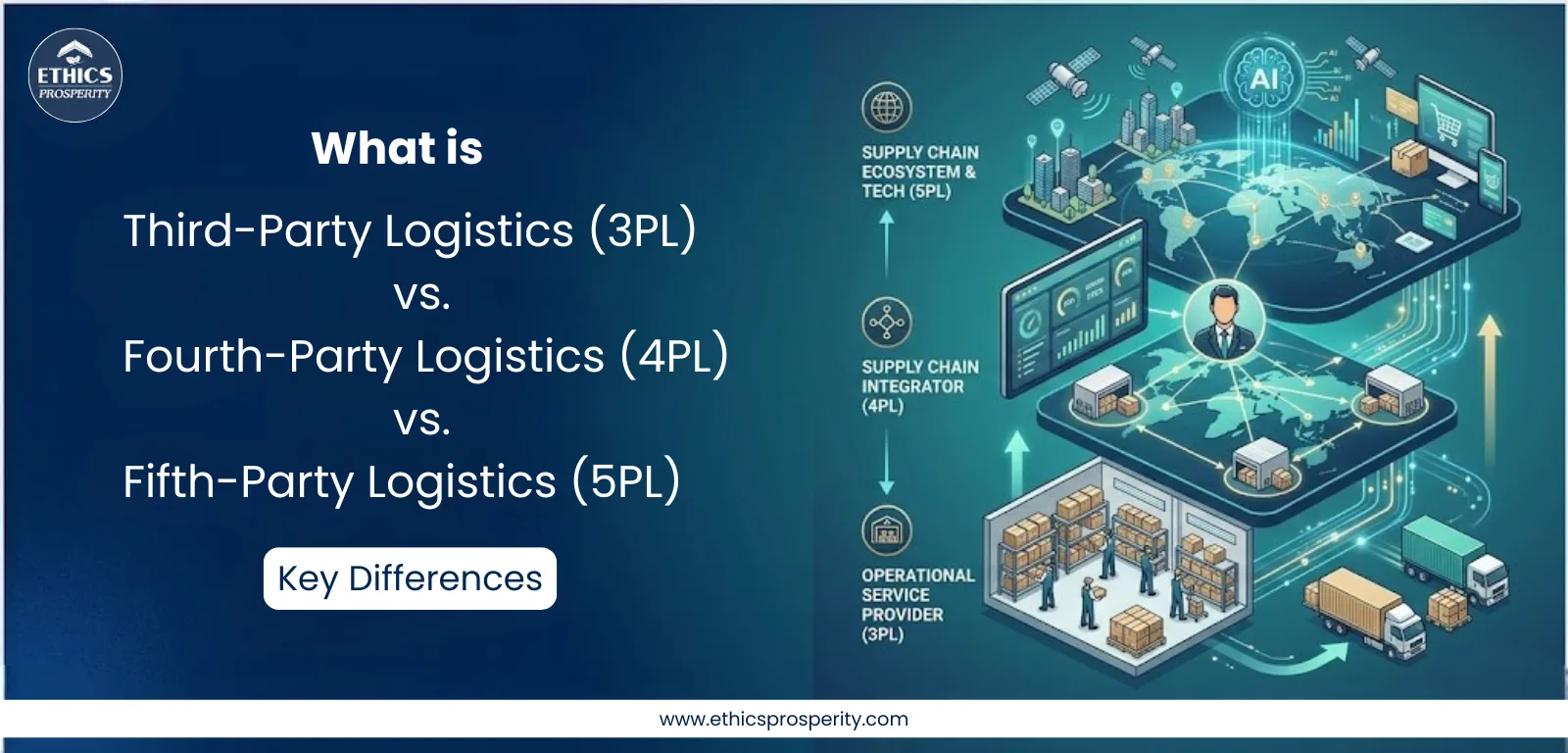
Third-Party Logistics (3PL) refers to outsourcing specific logistics functions such as transportation, warehousing, and distribution to specialized service providers. These providers act as operational partners, enabling businesses to focus on their core competencies.
Key Services
-
Transportation and freight management
-
Inventory storage and Custom Warehousing
-
Order fulfillment and packaging
-
Reverse logistics
-
Integration with Last Mile Delivery Companies
-
Utilization of Warehouse Management System(WMS) for inventory visibility
Benefits of 3PL
-
Cost Efficiency: Eliminates the need for heavy capital investment in logistics infrastructure.
-
Operational Expertise: Access to established networks of 3PL Companies in India.
-
Scalability: Flexible capacity to handle seasonal demand fluctuations.
-
Technology Integration: Enhanced visibility through digital platforms.
-
Improved Delivery Performance: Efficient handling of Last Mile Delivery Challenges and Solutions.
3PL services are widely adopted by Quick Commerce Companies, where speed and efficiency are critical to customer satisfaction.
What is Fourth-Party Logistics (4PL)?
Definition
Fourth-Party Logistics (4PL) providers act as strategic integrators, managing the entire supply chain ecosystem. Unlike 3PL providers, 4PL organizations do not primarily own logistics assets but instead coordinate multiple service providers to deliver a unified solution.
Key Responsibilities
-
End-to-end supply chain orchestration
-
Strategic planning and consulting
-
Vendor and carrier management
-
Technology integration and analytics
-
Performance monitoring and optimization
Benefits of 4PL
-
Single Point of Contact: Simplifies supply chain management.
-
Strategic Oversight: Aligns logistics operations with business objectives.
-
Enhanced Visibility: Real-time monitoring across the supply chain.
-
Cost Optimization: Efficient coordination of multiple logistics partners.
-
Industry-Specific Expertise: Valuable for sectors such as the Pharmaceutical Supply Chain.
Organizations evaluating partners similar to the Top 5 Supply Chain Companies in Bangalore often consider 4PL models for their strategic capabilities.
What is Fifth-Party Logistics (5PL)?
Definition
Fifth-Party Logistics (5PL) represents the most advanced stage of logistics outsourcing, focusing on the management of entire supply networks using digital technologies and data-driven strategies. 5PL providers leverage automation, artificial intelligence, and advanced analytics to optimize logistics operations across multiple clients.
Key Capabilities
-
Network-wide supply chain optimization
-
Integration of e-commerce and omnichannel logistics
-
Advanced analytics and forecasting
-
Digital transformation initiatives
-
Implementation of Blockchain in smart warehousing for transparency and security
Benefits of 5PL
-
Digital-First Approach: Enables highly efficient and scalable logistics ecosystems.
-
Network Optimization: Consolidates logistics operations across multiple partners.
-
Enhanced Collaboration: Facilitates seamless coordination among stakeholders.
-
Data-Driven Decision Making: Utilizes predictive analytics for proactive planning.
-
Future-Ready Infrastructure: Supports the evolving needs of global commerce.
3PL vs. 4PL vs. 5PL: Comparative Analysis
|
Aspect |
3PL |
4PL |
5PL |
|
Primary Role |
Operational execution |
Strategic integration |
Network orchestration |
|
Asset Ownership |
Often asset-based |
Typically non-asset-based |
Digital and network-focused |
|
Scope |
Specific logistics functions |
Entire supply chain |
Multiple supply networks |
|
Technology Use |
Moderate |
High |
Very High |
|
Decision-Making |
Operational |
Strategic |
Predictive and automated |
|
Ideal For |
SMEs and growing businesses |
Large enterprises |
Global and e-commerce ecosystems |
Additionally, 3PL providers frequently offer Warehousing Solutions, while 4PL and 5PL models emphasize strategic coordination and digital transformation.
Businesses exploring options among the Top 10 Warehousing Companies in Gurugram often begin with 3PL partnerships before transitioning to more integrated models.
How to Choose the Right Logistics Partner
Selecting the appropriate logistics model depends on organizational objectives, operational complexity, and growth ambitions.
1. Assess Business Needs
-
3PL: Ideal for companies seeking operational efficiency.
-
4PL: Suitable for organizations requiring strategic oversight.
-
5PL: Best for enterprises pursuing digital transformation and global scalability.
2. Evaluate Technology Capabilities
Ensure the provider supports advanced systems such as WMS, analytics, and automation to enhance visibility and performance.
3. Consider Industry Expertise
Industry-specific experience is crucial, particularly in sectors like pharmaceuticals and automotive manufacturing.
4. Analyze Scalability and Flexibility
A reliable logistics partner should support business expansion and adapt to changing market dynamics.
5. Review Network Strength
Strong partnerships with carriers, warehouses, and distribution networks ensure seamless operations.
Future Trends in Logistics Outsourcing
1. Digital Transformation
The integration of artificial intelligence, IoT, and predictive analytics will redefine logistics operations, particularly within 5PL ecosystems.
2. Sustainability Initiatives
Green logistics practices, including optimized routing and eco-friendly packaging, are becoming essential for regulatory compliance and corporate responsibility.
3. Omnichannel Fulfillment
As e-commerce continues to grow, logistics providers must support seamless omnichannel distribution strategies.
4. Enhanced Collaboration
Future supply chains will rely on collaborative ecosystems enabled by digital platforms and shared data.
5. Resilient Supply Chains
Organizations are increasingly focusing on building resilient and agile supply chains to withstand disruptions and ensure business continuity.
Conclusion
Understanding the differences between 3PL, 4PL, and 5PL is essential for organizations aiming to optimize logistics operations and achieve sustainable growth. While 3PL providers focus on operational execution, 4PL partners deliver strategic integration, and 5PL organizations enable digitally driven supply network orchestration.
Selecting the right logistics model depends on business objectives, industry requirements, and long-term scalability. Companies that align their logistics strategy with these evolving frameworks will be better positioned to navigate market complexities and enhance customer satisfaction. Ethics Prosperity empowers businesses with tailored logistics solutions, enabling seamless integration, operational excellence, and future-ready supply chains.