Introduction: The Shift Toward Intelligent Warehousing
The global supply chain landscape is undergoing a rapid transformation, driven by increasing demand for speed, accuracy, and scalability. Traditional warehousing models are no longer sufficient to meet modern business expectations, especially with the rise of e-commerce and Quick Commerce Companies.
Today, organizations are embracing Warehouse Automation as a strategic enabler to enhance efficiency and reduce operational costs. As part of End-to-End Supply Chain Management, automation plays a critical role in improving inventory visibility, accelerating order fulfillment, and enabling seamless integration with downstream logistics.
Industries such as the Pharmaceutical Supply Chain and Supply Chain Management in the Automotive & Engineering Industry are increasingly adopting automated systems to ensure precision, compliance, and scalability.
What is Warehouse Automation?
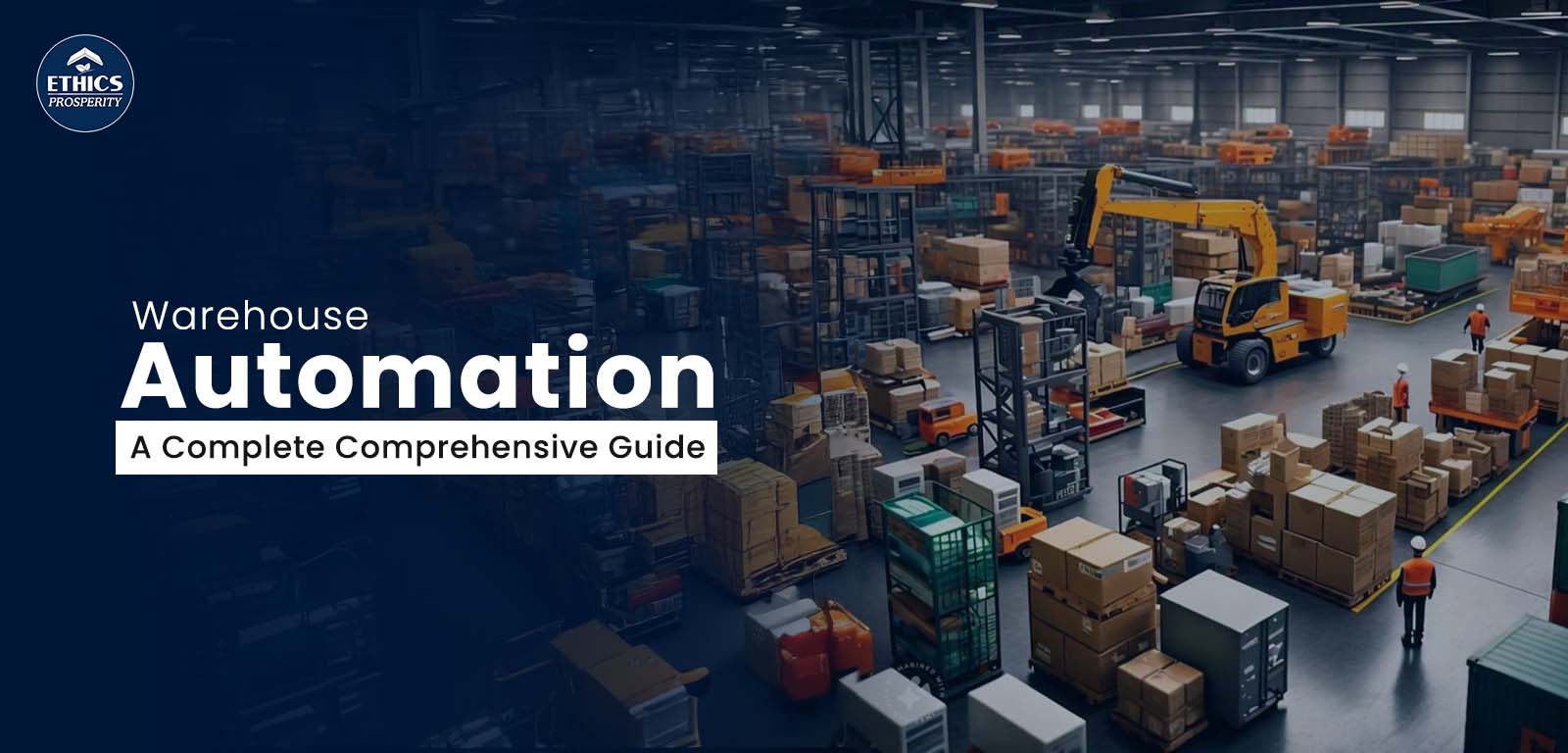
Warehouse automation refers to the use of technology, robotics, and software systems to perform warehouse operations with minimal human intervention. It includes automated storage, retrieval, sorting, and inventory management processes.
Modern automation integrates advanced tools such as Warehouse Management System(WMS), robotics, and data analytics to streamline workflows and improve accuracy. It also supports critical functions like Inventory Optimization and efficient Logistics Planning, ensuring smooth coordination across supply chain operations.
Automation is no longer limited to large enterprises; even mid-sized businesses are leveraging it through partnerships with 3PL Companies in India to remain competitive.
Types of Warehouse Automation Systems
1. Basic Automation
This includes simple tools such as conveyor belts and barcode scanning systems that reduce manual effort and improve efficiency.
2. System Automation
System automation involves software-driven processes such as WMS integration, enabling real-time inventory tracking and order management.
3. Mechanized Automation
Mechanized systems use equipment such as forklifts and automated guided vehicles (AGVs) to handle material movement within warehouses.
4. Advanced Automation
This includes robotics, automated storage and retrieval systems (AS/RS), and AI-driven solutions that enable fully automated operations.
Businesses collaborating with the Top 10 Warehousing Companies in Gurugram often leverage such advanced systems to enhance operational efficiency.
Key Technologies Driving Warehouse Automation
1. Robotics and Automated Systems
Robotics plays a crucial role in automating repetitive tasks such as picking, packing, and sorting. These systems significantly improve speed and accuracy.
2. Artificial Intelligence and Machine Learning
The integration of AI & Machine Learning enables intelligent decision-making, predictive maintenance, and dynamic workflow optimization.
3. Predictive Analytics
Predictive Analytics helps forecast demand patterns and optimize inventory levels, ensuring efficient warehouse operations aligned with Demand Forecasting in Supply Chain.
4. Internet of Things (IoT)
IoT devices enable real-time tracking of inventory and equipment, enhancing visibility and operational control.
5. Cloud-Based Systems
Cloud platforms provide scalability and seamless integration across supply chain functions, supporting real-time data access and collaboration.
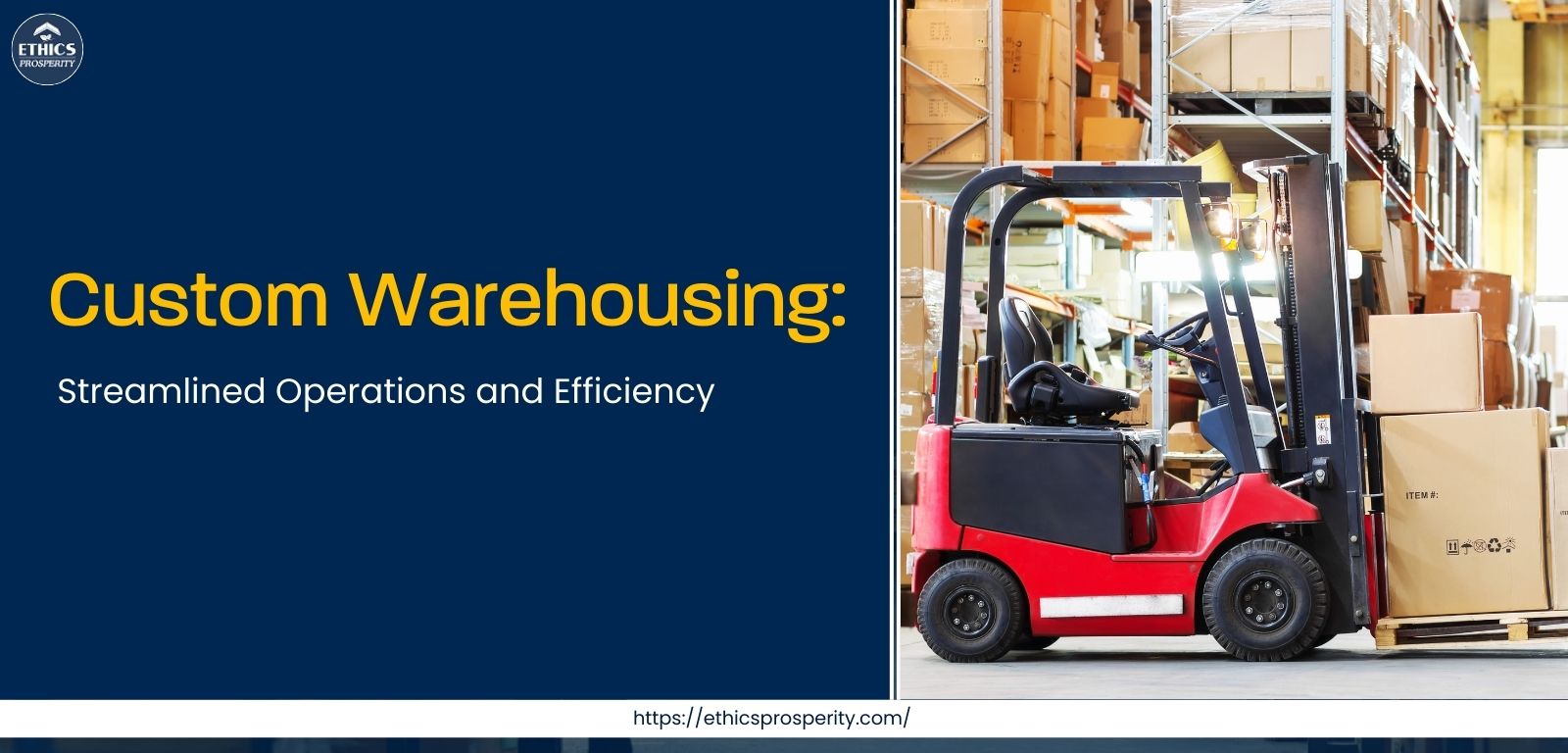
6. Integration with Custom Warehousing
Automation solutions can be tailored to specific business needs through Custom Warehousing, ensuring flexibility and scalability.
Benefits of Warehouse Automation
1. Increased Operational Efficiency
Automation reduces manual errors and accelerates processes, improving overall efficiency across Supply Chain Management operations.
2. Cost Reduction
Although initial investment may be high, automation significantly reduces labor costs and operational inefficiencies in the long run.
3. Improved Accuracy
Automated systems ensure precise inventory tracking and order fulfillment, reducing errors and returns.
4. Faster Order Fulfillment
Automation enables quicker processing and dispatch of orders, helping businesses address Last Mile Delivery Challenges and Solutions effectively.
5. Enhanced Safety
Automation minimizes human involvement in hazardous tasks, improving workplace safety.
6. Scalability
Automated systems can easily scale operations to meet growing business demands, especially when working with leading Top 5 Supply Chain Companies in Bangalore.
7. Better Risk Management
Automation supports proactive Risk Management by providing real-time insights and enabling quick response to disruptions.
8. Seamless Integration with Logistics
Automated warehouses integrate efficiently with Last Mile Delivery Companies, ensuring smooth and timely delivery operations.
Future Trends in Warehouse Automation
1. Fully Autonomous Warehouses
The future will see the rise of fully autonomous warehouses powered by AI, robotics, and advanced analytics.
2. Data-Driven Decision Making
Integration of automation with Demand Forecasting tools will enable more accurate planning and resource allocation.
3. Smart Warehousing Ecosystems
Warehouses will evolve into interconnected ecosystems with real-time data sharing and predictive capabilities.
4. Sustainability and Green Logistics
Automation will contribute to sustainable practices by optimizing energy consumption and reducing waste.
5. Increased Adoption Across Industries
From pharmaceuticals to automotive manufacturing, automation will become a standard across industries, driving efficiency and innovation.
Conclusion
Warehouse automation is no longer a futuristic concept—it is a critical component of modern supply chain strategy. By integrating advanced technologies, businesses can enhance efficiency, reduce costs, and improve customer satisfaction.
Organizations that invest in automation gain a significant competitive advantage, enabling them to respond quickly to market demands and operational challenges. As supply chains continue to evolve, automation will play a central role in shaping resilient and agile operations.
Ethics Prosperity enables businesses to adopt cutting-edge warehouse automation solutions, ensuring seamless integration, operational excellence, and long-term scalability.