Modern supply chains generate vast amounts of information every day. From procurement and warehousing to transportation and customer fulfillment, every operational activity creates valuable data. However, collecting information alone is not enough. The real advantage comes from transforming data into actionable insights that support faster and more accurate business decisions.
In 2026, organizations face increasing pressure from market volatility, changing customer expectations, rising logistics costs, and global supply chain disruptions. Companies that rely solely on intuition or historical assumptions often struggle to maintain competitiveness.
This is where a Data-Driven Supply Chain becomes a strategic differentiator. By leveraging real-time information and analytics, businesses can improve planning accuracy, reduce operational risks, and make smarter decisions across the entire supply chain network.
What Is a Data-Driven Supply Chain?
A Data-Driven Supply Chain uses real-time data, analytics, and technology platforms to support operational and strategic decision-making across supply chain functions.
Rather than relying on manual processes or fragmented information, organizations use integrated systems to collect, analyze, and interpret data from multiple sources. This enables leaders to make informed decisions that improve performance and reduce uncertainty.
Understanding Data-Driven Decision Making
Data-driven decision making involves using measurable insights rather than assumptions to guide business actions.
Examples include:
-
Optimizing inventory levels based on demand patterns.
-
Identifying transportation bottlenecks before they affect customers.
-
Monitoring supplier performance through performance metrics.
-
Improving delivery schedules through predictive analysis.
Key Data Sources Across the Supply Chain
A modern supply chain collects information from:
-
Enterprise Resource Planning (ERP) systems
-
Procurement platforms
-
Transportation networks
-
Customer orders
-
Supplier portals
-
Warehouse operations
-
Market demand signals
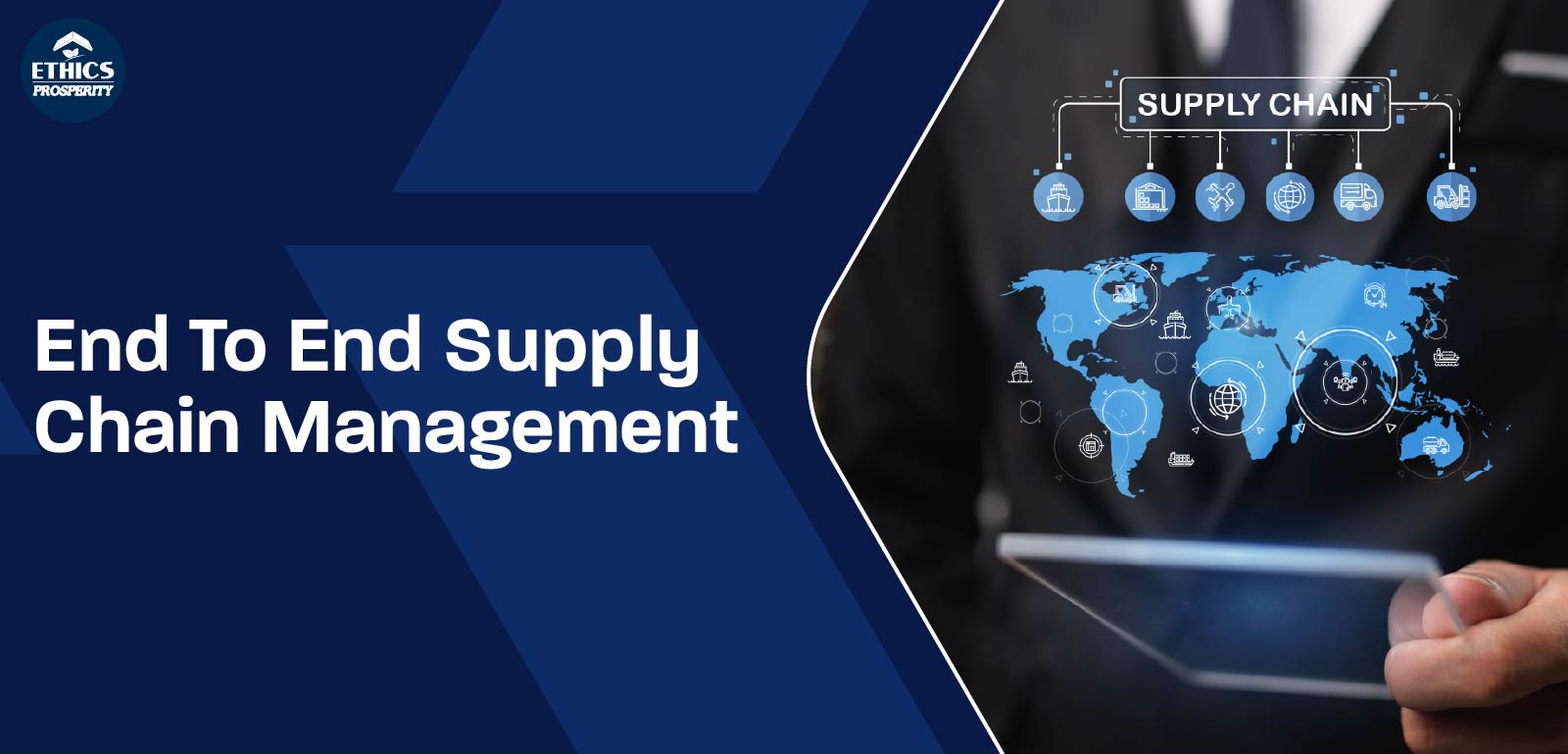
When these sources are connected through an Integrated supply chain, organizations gain a complete view of operational performance.
Why Data-Driven Decision Making Is Essential for Modern Supply Chains
Managing Market Volatility
Customer demand can change rapidly due to economic conditions, seasonal fluctuations, and shifting consumer preferences.
Organizations that utilize data insights can identify emerging trends faster and adjust strategies proactively rather than reacting after disruptions occur.
Improving Operational Agility
Supply chain leaders must make decisions quickly.
Real-time analytics help businesses adapt to inventory shortages, supplier delays, transportation disruptions, and changing customer requirements with greater confidence.
Enhancing Customer Experience
Customers increasingly expect accurate delivery timelines and transparent communication.
Access to operational data improves Supply chain visibility, helping businesses provide better service and maintain customer trust.
Key Benefits of Data-Driven Supply Chain Management
Improved Visibility Across Operations
Visibility is one of the most valuable outcomes of data-driven supply chains.
Decision-makers can monitor inventory levels, shipment status, supplier performance, and warehouse operations from centralized dashboards.
This visibility reduces uncertainty and improves planning accuracy.
Better Forecasting Accuracy
Accurate Demand forecasting helps organizations balance inventory levels with customer demand.
By analyzing historical sales patterns, market trends, and external factors, businesses can reduce stockouts and excess inventory.
Reduced Costs and Higher Efficiency
Data-driven insights help organizations identify inefficiencies throughout operations.
This supports:
-
Better route planning
-
Reduced inventory carrying costs
-
Improved resource utilization
-
Greater Cost optimization
The result is improved profitability and stronger operational performance.
Enhanced Operational Performance
Organizations can continuously monitor KPIs and identify opportunities for improvement.
A data-driven approach supports higher productivity, improved service levels, and stronger Business efficiency across supply chain operations.
Technologies Enabling Data-Driven Supply Chains
Technology is the foundation of modern supply chain intelligence.
Artificial Intelligence and Machine Learning
Advanced analytics powered by AI help organizations identify trends, predict disruptions, and optimize decision-making.
Industry leaders increasingly use AI to improve planning accuracy and support proactive operations.
Cloud-Based Supply Chain Platforms
Cloud technologies enable seamless collaboration across suppliers, warehouses, logistics providers, and customers.
These platforms create a centralized environment for data sharing and operational visibility.
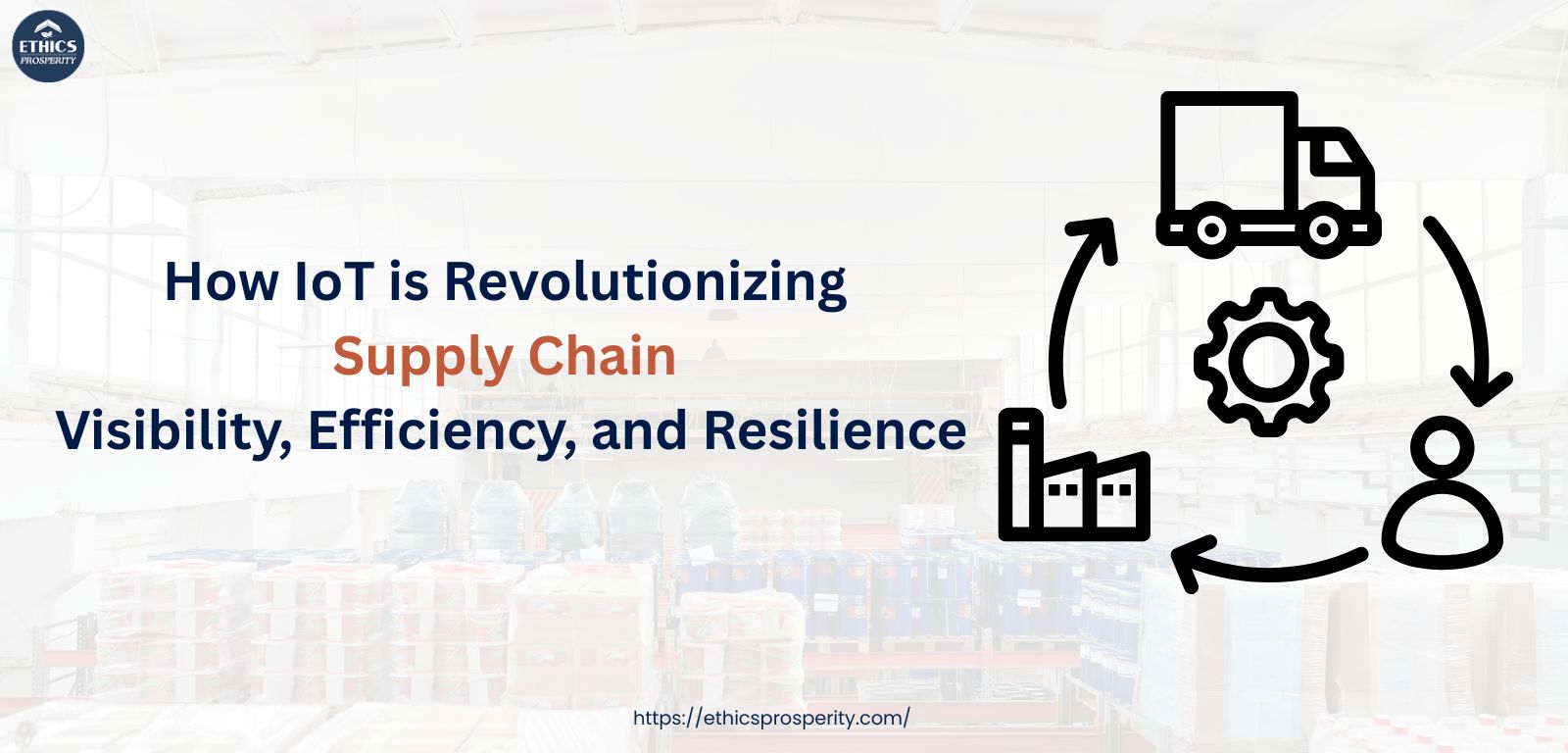
IoT and Real-Time Tracking
Internet of Things (IoT) devices provide real-time information about assets, inventory, and shipments.
This improves monitoring capabilities and enables faster responses to operational issues.
Advanced Analytics and Dashboards
Modern analytics tools convert raw operational data into meaningful insights.
Organizations can monitor performance, identify risks, and improve strategic planning through data visualization and predictive modeling.
Common Challenges in Implementing Data-Driven Decision Making
Data Silos
Many organizations still operate multiple disconnected systems.
When information remains isolated, leaders struggle to gain a complete view of operations.
Technology Integration Challenges
Legacy systems often make integration difficult.
Organizations must ensure that platforms can exchange information efficiently across departments and external partners.
Data Quality Issues
Poor-quality data can lead to inaccurate decisions.
Establishing governance standards and data validation processes is essential for maintaining reliability.
Change Management
Technology adoption often requires cultural and organizational change.
Businesses must invest in employee training and stakeholder engagement to maximize the value of data-driven initiatives.
Business Case Study: Improving Efficiency Through Data-Driven Operations
A growing retail company faced inventory inaccuracies, delayed order processing, and increasing logistics expenses.
Solution
The company implemented centralized analytics dashboards and connected inventory, warehousing, and transportation systems to create a unified data environment.
Results
-
28% improvement in inventory accuracy
-
35% reduction in order processing time
-
15% decrease in logistics costs
-
Improved customer satisfaction through faster deliveries
Key Takeaway
The project demonstrated how a data-driven approach can improve operational visibility, support proactive decision-making, and deliver measurable business outcomes.
Conclusion
As supply chains become more complex and customer expectations continue to rise, data-driven decision-making is no longer optional. Organizations that leverage analytics, real-time visibility, and intelligent technologies can make faster decisions, reduce operational risks, and improve overall performance.
A Data-Driven Supply Chain enables businesses to optimize resources, strengthen resilience, and create sustainable competitive advantages in an increasingly dynamic marketplace. Companies that invest in data capabilities today will be better positioned to navigate future disruptions and achieve long-term growth. At Ethics Prosperity, we recognize that data-driven supply chain strategies are essential for building efficient, agile, and future-ready operations.