Introduction
In today's highly competitive business environment, organizations are under constant pressure to reduce costs, improve service levels, and respond quickly to changing customer demands. Whether operating in manufacturing, retail, e-commerce, healthcare, or industrial sectors, supply chain performance has become a critical factor in determining overall business success.
Many businesses still operate with disconnected systems, fragmented processes, and limited visibility across procurement, warehousing, transportation, and customer fulfillment. These inefficiencies often lead to delays, excess inventory, higher operating costs, and poor customer experiences.
This is where Integrated Supply Chain Solutions play a transformative role. By connecting every stage of the supply chain into a unified ecosystem, businesses can streamline operations, improve collaboration, and create a more agile and resilient network.
As supply chains become increasingly complex in 2026, companies that embrace integration are gaining a significant competitive advantage through improved performance and smarter decision-making.
What Are Integrated Supply Chain Solutions?
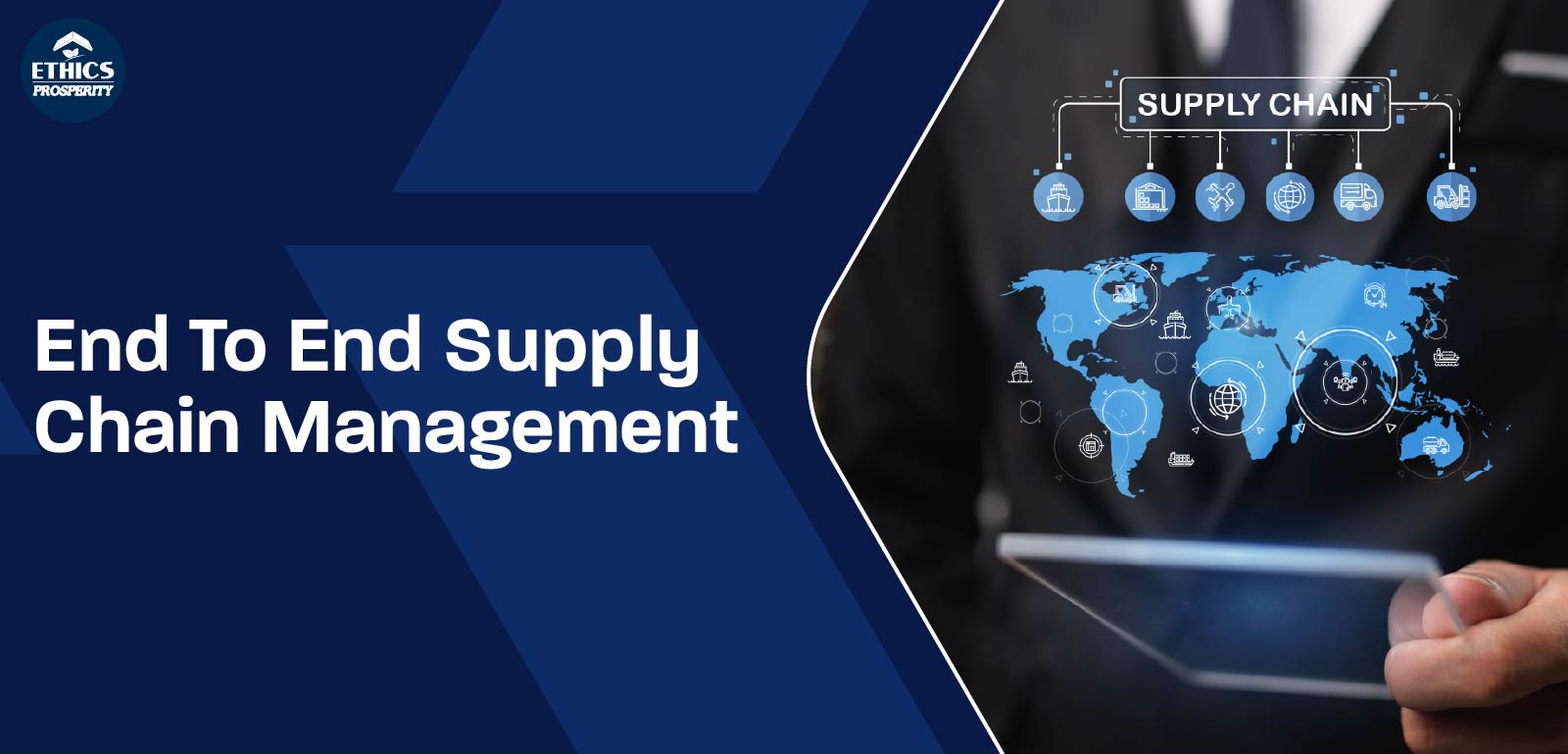
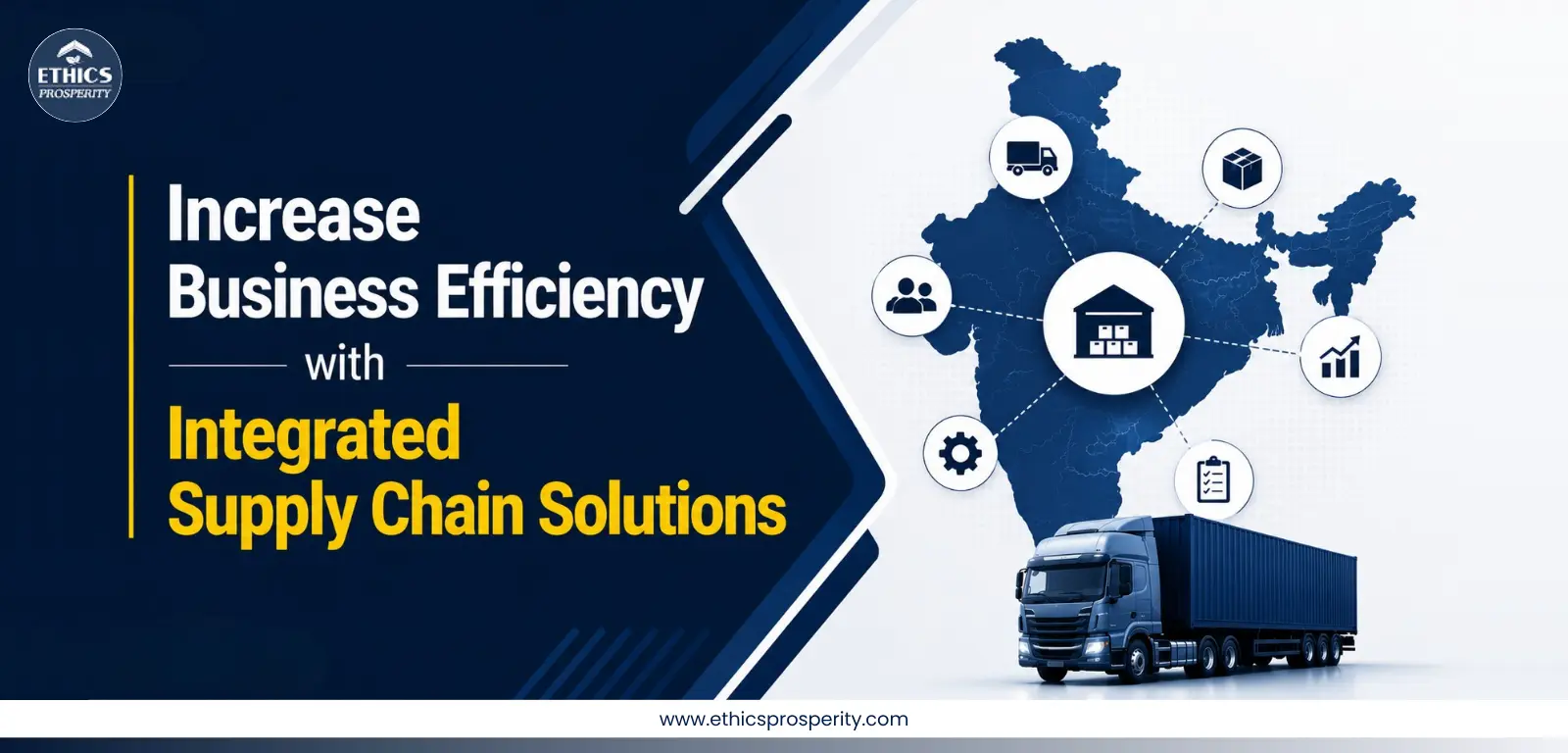
Integrated Supply Chain Solutions refer to the seamless coordination of procurement, manufacturing, warehousing, transportation, distribution, and customer service through connected systems and processes.
Rather than managing each function independently, an Integrated supply chain enables information to flow across departments and business partners in real time. This creates greater visibility, faster decision-making, and improved operational control.
Core Components of an Integrated Supply Chain
An integrated framework typically includes:
-
Procurement management
-
Production planning
-
Transportation management
-
Order fulfillment
-
Supplier collaboration
-
Customer service operations
When these components work together through shared data and technology platforms, organizations can improve efficiency while reducing operational complexity.
Why Integration Matters in Modern Business
Supply chains today face challenges such as fluctuating demand, global disruptions, labor shortages, rising transportation costs, and increasing customer expectations.
Businesses require complete visibility across operations to respond effectively. An integrated approach helps organizations move from reactive problem-solving to proactive supply chain management.
Key Benefits of Integrated Supply Chain Solutions
Enhanced Visibility Across Operations
One of the biggest advantages of integration is improved Supply chain visibility.
Business leaders gain access to real-time information across procurement, warehousing, transportation, and delivery operations. This visibility enables quicker responses to disruptions and supports better planning decisions.
Improved Customer Service
Customers expect accurate order tracking, faster delivery, and reliable service.
Integrated systems provide synchronized information across departments, helping businesses deliver a consistent customer experience while improving service reliability.
Reduced Operational Costs
Disconnected systems often result in duplicated work, unnecessary inventory, and inefficient transportation routes.
By improving coordination and data sharing, companies achieve significant Cost optimization while reducing waste and operational bottlenecks.
Better Decision-Making Capabilities
Access to centralized data enables leadership teams to make informed decisions based on real-time insights rather than assumptions.
This improves forecasting accuracy, resource allocation, and long-term strategic planning.
How Integrated Supply Chains Improve Business Efficiency
Eliminating Operational Silos
Many organizations struggle with separate departments operating independently.
Procurement teams may have limited visibility into warehouse operations, while logistics teams lack access to customer demand information.
Integrated Supply Chain Solutions eliminate these silos by creating a connected operating model that improves collaboration and communication across the business.
Optimizing Inventory and Fulfillment
Poor inventory planning can create stock shortages or excess inventory carrying costs.
Integrated systems improve Demand forecasting accuracy and inventory positioning, ensuring products are available when and where customers need them.
This leads to faster fulfillment cycles and improved working capital utilization.
Improving Collaboration Across Stakeholders
Modern supply chains involve multiple stakeholders, including suppliers, manufacturers, logistics providers, distributors, and retailers.
Integration allows all parties to work with shared information, reducing delays and improving responsiveness throughout the supply chain network.
Driving Scalability and Growth
As businesses expand into new markets or launch additional product lines, supply chain complexity increases.
Integrated operations provide the flexibility needed to support growth without creating operational inefficiencies. Organizations can scale processes more effectively while maintaining service quality and operational control.
Technologies Driving Supply Chain Integration
Technology plays a central role in modern supply chain transformation.
Cloud-Based Platforms
Cloud solutions provide centralized access to supply chain data from any location.
These platforms improve collaboration, reduce infrastructure costs, and enable faster deployment of new capabilities.
Artificial Intelligence and Analytics
Advanced analytics help organizations identify trends, optimize operations, and improve forecasting accuracy.
Businesses increasingly rely on AI-powered insights to improve resource utilization and operational performance.
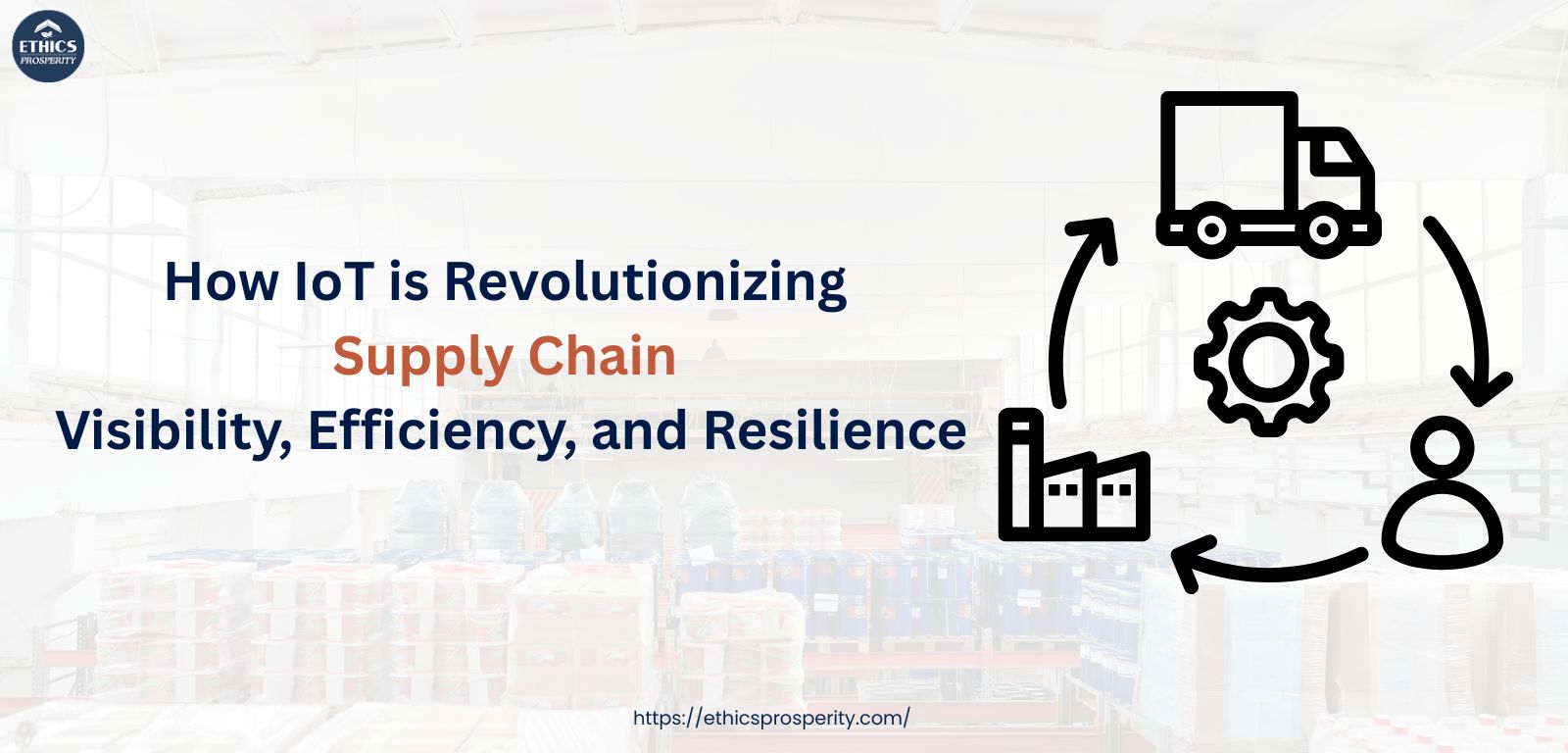
Internet of Things (IoT)
Connected sensors provide real-time visibility into inventory, assets, and shipments.
IoT technology enables proactive monitoring and faster responses to disruptions, improving overall supply chain reliability.
Automation and Digital Connectivity
Organizations are increasingly investing in Supply chain automation to streamline repetitive processes and improve productivity.
Automation supports faster order processing, improved inventory accuracy, and more efficient operational workflows.
Business Case Study: Improving Efficiency Through Supply Chain Integration
A fast-growing e-commerce company faced challenges such as inventory inaccuracies, delayed order processing, and rising logistics costs due to disconnected systems.
Solution
The company implemented an integrated supply chain platform that connected inventory, warehousing, transportation, and fulfillment operations.
Results
-
30% improvement in inventory accuracy
-
40% reduction in order processing time
-
18% decrease in logistics costs
-
25% increase in on-time deliveries
Key Takeaway
By integrating supply chain operations, the company achieved better visibility, faster decision-making, and improved operational efficiency, demonstrating the strategic value of integrated supply chain solutions.
Best Practices for Successful Supply Chain Integration
Standardize Data Across Systems
Data consistency is essential for effective integration.
Organizations should establish common data standards to ensure accurate information flows across all systems and departments.
Choose the Right Technology Stack
Technology investments should align with business goals and operational requirements.
Scalable platforms that support future growth and interoperability often provide the best long-term value.
Develop Cross-Functional Collaboration
Integration is not solely a technology initiative.
Successful projects require strong collaboration among procurement, operations, logistics, finance, and customer service teams.
Leadership must encourage communication and shared accountability across departments.
Monitor and Continuously Improve Performance
Integration should be viewed as an ongoing process rather than a one-time implementation.
Organizations should regularly track KPIs such as inventory turnover, order accuracy, delivery performance, and operational efficiency to identify improvement opportunities.
Prioritize Sustainability
Businesses are increasingly incorporating Sustainability goals into supply chain strategies.
Integrated systems help organizations monitor emissions, optimize transportation routes, reduce waste, and improve resource utilization, supporting both environmental and business objectives.
Conclusion
Business leaders can no longer afford fragmented operations in an increasingly complex global marketplace. Integrated Supply Chain Solutions provide the visibility, agility, and operational control necessary to improve efficiency, reduce costs, and enhance customer satisfaction.
By connecting procurement, inventory, warehousing, transportation, and fulfillment into a unified ecosystem, organizations can achieve stronger performance and build a more resilient supply chain for future growth. Companies seeking long-term competitive advantage should view supply chain integration as a strategic investment rather than an operational upgrade. At Ethics Prosperity, we believe integrated supply chains are the foundation of sustainable business success in the modern economy.