In today's highly competitive business environment, growth is no longer defined only by increasing sales. Sustainable growth depends on an organization's ability to consistently deliver products to customers efficiently, accurately, and at scale.
As businesses expand into new regions, sales channels, and customer segments, distribution complexity increases significantly. What works for a business serving a single market often becomes inadequate when managing nationwide operations, omnichannel fulfillment, or fluctuating demand patterns.
This is where selecting the right Scalable Distribution Partner becomes a strategic business decision rather than a simple logistics requirement. The right partner helps organizations maintain operational excellence, improve customer satisfaction, and support long-term growth without creating bottlenecks across the distribution network.
What Is a Scalable Distribution Partner?
A scalable distribution partner is a logistics and fulfillment provider capable of supporting business growth without compromising service quality, operational efficiency, or delivery performance.
Unlike traditional providers that may struggle during periods of rapid expansion, a scalable partner invests in infrastructure, technology, workforce capabilities, and process optimization to accommodate changing business requirements.
Core Characteristics of a Scalable Distribution Model
A scalable distribution partner typically offers:
-
Multi-location warehousing capabilities
-
Flexible transportation networks
-
Advanced technology integration
-
Capacity expansion support
-
Real-time operational reporting
-
Consistent service levels across geographies
More importantly, scalability means being prepared for future growth rather than simply managing current demand.
Why Distribution Scalability Matters for Long-Term Success
Business growth rarely follows a predictable path. Seasonal spikes, new product launches, market expansion initiatives, and changing customer expectations can place significant pressure on distribution operations.
Managing Growth Without Operational Disruptions
Many businesses experience growth-related challenges because their distribution infrastructure fails to keep pace with demand. Delayed shipments, stock shortages, and increased operational costs often emerge when distribution capabilities are stretched beyond capacity.
A scalable partner helps absorb growth without disrupting service levels.
Supporting Multi-Channel Expansion
Modern businesses operate across multiple sales channels, including traditional retail, marketplaces, direct-to-consumer platforms, and B2B networks. Effective Supply chain management requires a distribution framework that can support these diverse channels while maintaining inventory accuracy and fulfillment efficiency.
Meeting Rising Customer Expectations
Customers increasingly expect faster deliveries, real-time updates, and consistent service experiences. Whether serving enterprise buyers or end consumers, businesses must maintain high operational standards to remain competitive.
Distribution scalability ensures that customer expectations can be met even during periods of accelerated growth.
Key Benefits of Choosing the Right Distribution Partner
Operational Flexibility
A strong distribution partner enables businesses to respond quickly to changing market conditions. Whether entering a new region, launching a product line, or managing demand fluctuations, operational flexibility becomes a competitive advantage.
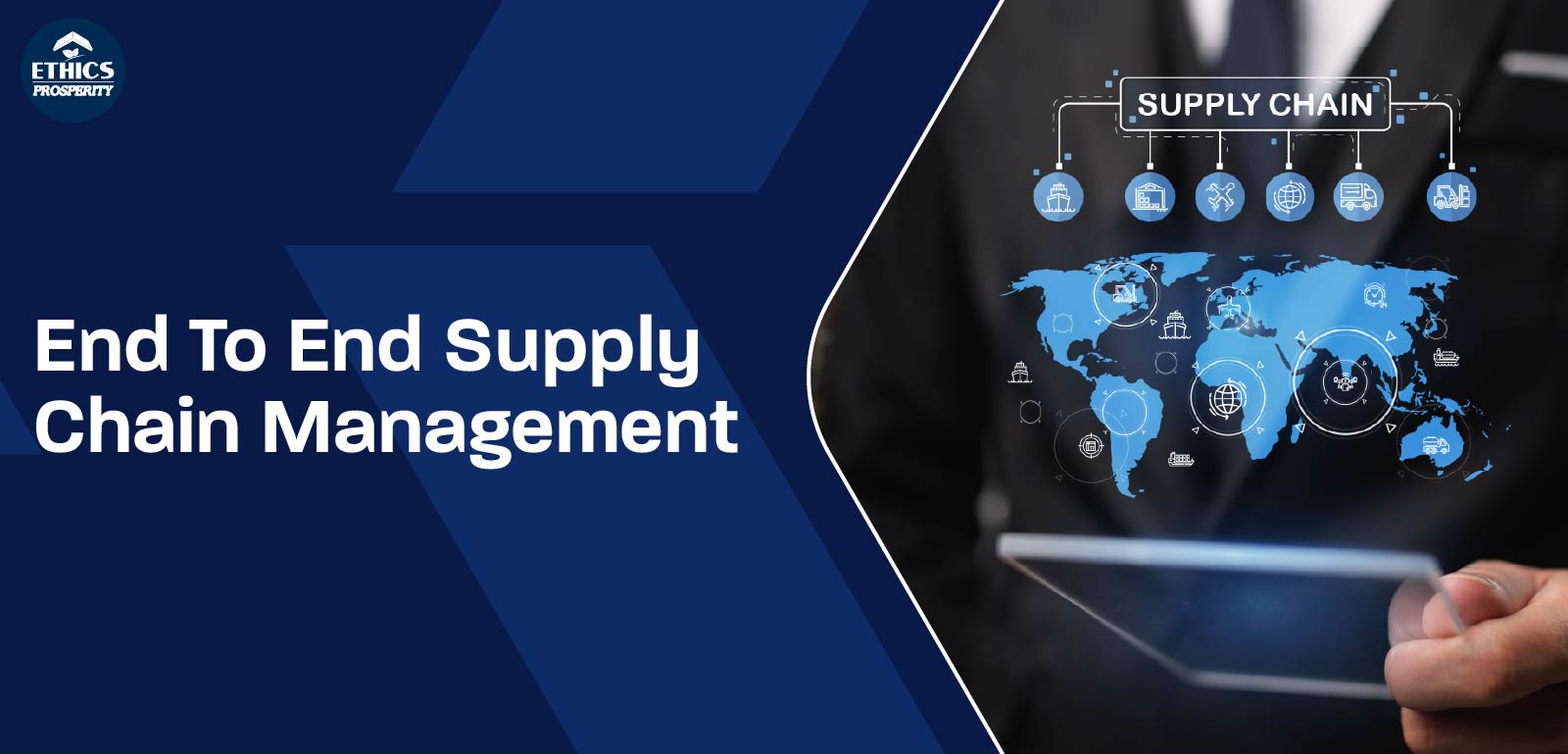
Providers offering comprehensive End-to-end supply chain support can simplify coordination across warehousing, transportation, and fulfillment activities.
Cost Optimization
Growth often increases operational complexity and costs. However, the right partner can leverage network efficiencies, shared infrastructure, and optimized routing strategies to improve cost control.
This is particularly valuable when evaluating different Logistics solutions designed to support regional or national expansion.
Improved Customer Experience
Delivery performance directly influences customer satisfaction and retention. Reliable distribution operations reduce delays, improve order accuracy, and create a consistent customer experience.
Organizations increasingly evaluate Supply chain companies based on their ability to support customer-centric fulfillment models.
Technology-Driven Visibility
Modern distribution requires access to actionable data. Leading providers utilize advanced tracking systems, analytics platforms, and automation tools to enhance operational transparency.
Businesses working with established Warehouse companies often gain access to enhanced reporting capabilities that improve decision-making.
Business Continuity and Risk Management
Unexpected disruptions can significantly impact operations. Scalable partners typically maintain contingency plans, diversified carrier networks, and operational redundancies that help reduce business risk.
Critical Factors to Evaluate Before Selecting a Distribution Partner
Choosing a distribution partner should involve a detailed assessment of operational capabilities rather than focusing solely on cost.
Network Coverage
Evaluate whether the provider has the infrastructure required to support current and future markets. Geographic reach becomes increasingly important as businesses expand distribution operations.
Technology Infrastructure
Technology plays a central role in modern distribution management. Capabilities such as real-time tracking, automated reporting, and integrated Inventory management systems improve operational efficiency.
Look for providers that utilize a robust Warehouse Management System capable of supporting scalable operations.
Industry Experience
Experience within your industry can significantly reduce implementation risks. Sector-specific knowledge often leads to better process design, compliance management, and service delivery.
Scalability Capabilities
Assess the provider's ability to support growth across warehousing, transportation, and Order fulfillment functions without requiring major operational changes.
Performance Metrics and SLAs
Strong partners establish measurable service standards and maintain accountability through clearly defined performance indicators and service-level agreements.
Risks of Choosing the Wrong Distribution Partner
Selecting the wrong partner can create operational challenges that negatively affect profitability, customer experience, and growth initiatives.
Service Failures
Poor planning, limited capacity, and inadequate infrastructure can lead to delivery delays and reduced service reliability.
Inventory Issues
Limited Supply chain visibility often results in stock imbalances, inaccurate forecasting, and inventory-related disruptions.
Growth Constraints
Businesses may struggle to expand if their provider lacks the resources required to support new markets, additional product volumes, or changing customer requirements.
Customer Experience Challenges
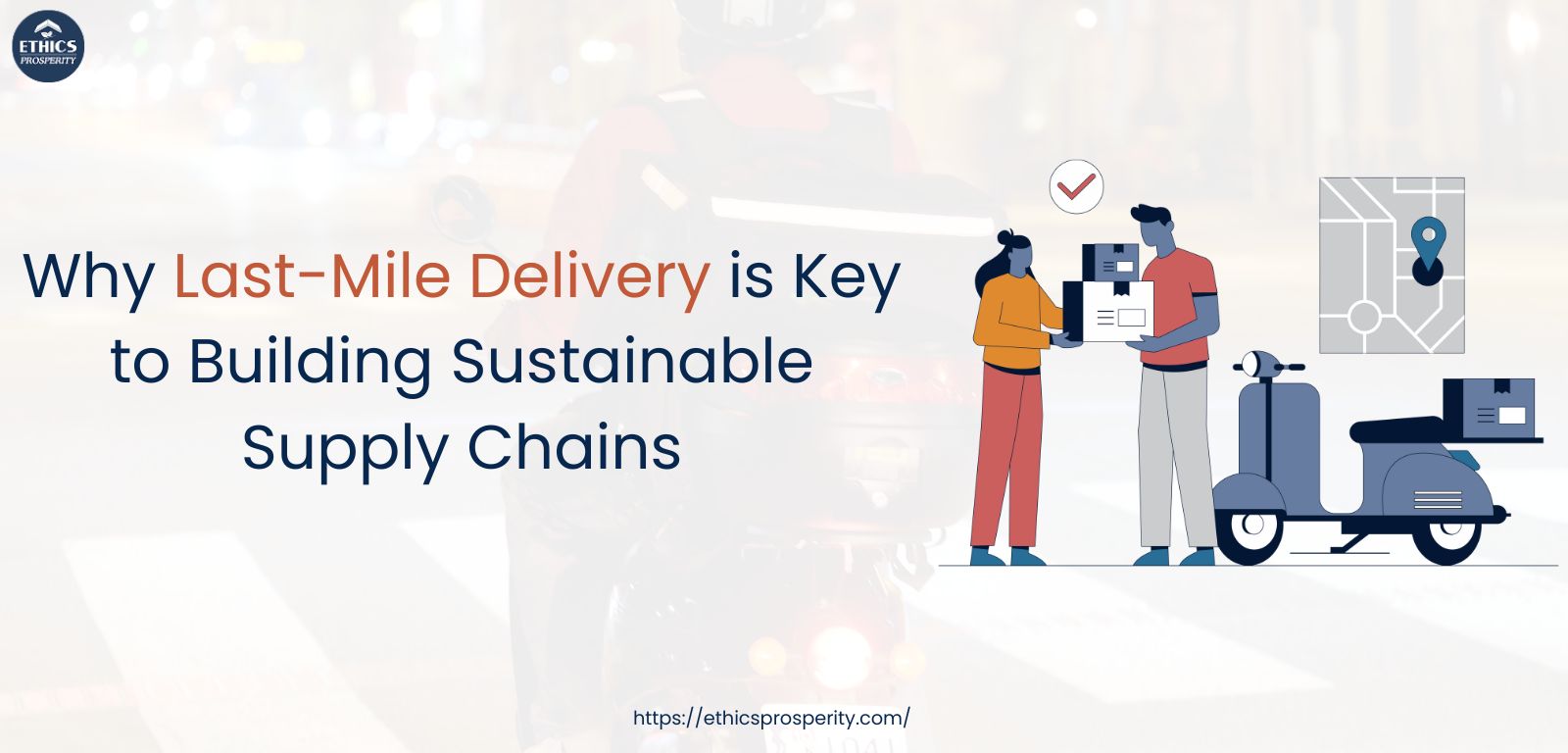
Inefficient distribution directly impacts delivery speed and reliability. Weak Last-mile delivery capabilities can damage brand reputation and reduce customer loyalty.
How the Right Distribution Partner Becomes a Strategic Growth Enabler
The most valuable distribution partners contribute far beyond operational execution. They actively support business growth initiatives and long-term strategic objectives.
Supporting Market Expansion
Expansion into new markets requires effective planning and execution. Distribution partners that leverage advanced Demand forecasting methodologies can help businesses scale more efficiently.
Enabling Faster Fulfillment
Increasingly, businesses rely on Supply chain automation to improve productivity, reduce manual processes, and accelerate fulfillment cycles.
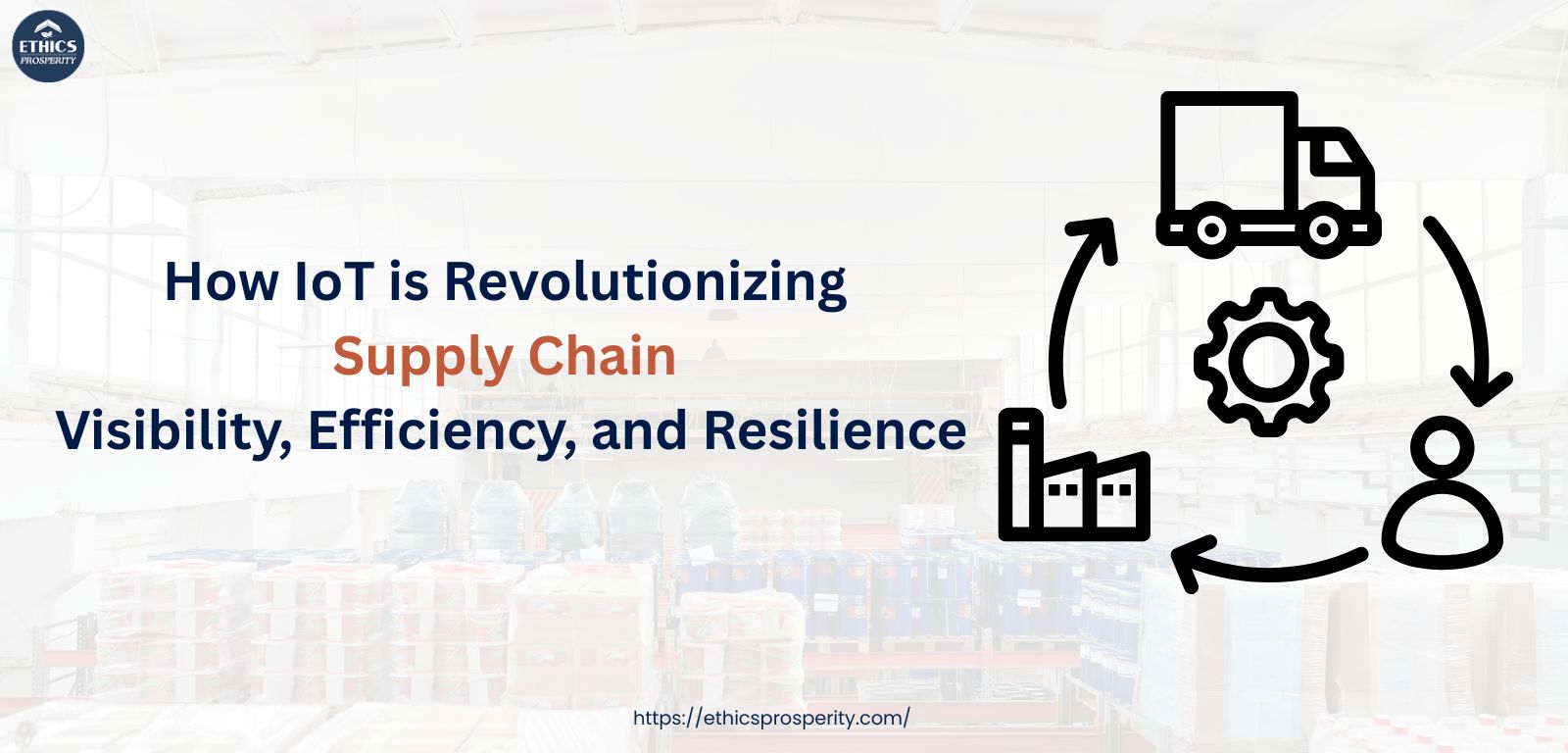
Technologies such as IoT sensors, automated workflows, and predictive analytics continue to reshape distribution operations.
Driving Competitive Advantage
Organizations that prioritize Sustainability initiatives within their logistics operations are increasingly gaining competitive advantages through cost efficiencies and improved stakeholder confidence.
The rise of Quick commerce, evolving Supply chain trends, and growing expectations for rapid fulfillment are reshaping distribution strategies across industries.
Businesses partnering with experienced E-commerce fulfillment companies in India are often better positioned to respond to these market shifts while maintaining operational consistency.
For organizations seeking a reliable Supply chain company in Gurugram, evaluating scalability, technology capabilities, and long-term partnership potential should remain a priority.
Conclusion
A distribution partner should not be viewed merely as a service provider. The right Scalable Distribution Partner becomes an extension of your business, helping improve operational resilience, customer satisfaction, and long-term profitability.
As supply chains become increasingly complex, organizations that invest in scalable distribution capabilities are better equipped to manage growth, adapt to market changes, and maintain service excellence. Businesses looking to strengthen their logistics network and future-proof their operations should prioritize strategic partnerships that align with both current requirements and long-term objectives. This approach enables companies to build a more agile, efficient, and growth-ready supply chain ecosystem with trusted partners such as Ethics Prosperity.