The rapid growth of online shopping has fundamentally transformed how businesses manage inventory, warehousing, transportation, and fulfillment operations. Consumers now expect faster deliveries, real-time order tracking, seamless returns, and consistent product availability regardless of location.
As online retail continues to expand across India and global markets, organizations must rethink traditional logistics models. Effective ecommerce supply chain management has become a competitive advantage rather than simply an operational function.
Businesses that build agile, technology-enabled supply chains can improve customer satisfaction, reduce costs, and scale efficiently during periods of high demand. This article explores the challenges, strategies, technologies, and future trends shaping modern e-commerce supply chains.
Understanding the Impact of the E-commerce Boom on Supply Chains
The e-commerce industry has significantly changed logistics operations. Traditional distribution models designed for bulk shipments are no longer sufficient for handling thousands of individual customer orders daily.
Modern consumers expect next-day or same-day delivery, creating pressure across warehousing, transportation, and fulfillment networks.
The rise of online marketplaces, direct-to-consumer brands, and omnichannel retailing has increased the complexity of inventory allocation and delivery operations. Businesses now require stronger coordination between procurement, warehousing, transportation, and customer service teams.
An effective Supply chain management strategy helps organizations align these activities while maintaining service quality and operational efficiency.
Key Challenges in E-commerce Supply Chain Management
1. Inventory Accuracy and Availability
One of the biggest challenges in e-commerce operations is balancing stock availability with working capital requirements.
Poor stock planning can result in:
-
Stockouts
-
Excess inventory
-
Lost sales opportunities
-
Increased carrying costs
Effective Inventory management practices help businesses maintain optimal stock levels while improving customer satisfaction.
2. Rising Fulfillment Expectations
Customers increasingly expect faster deliveries and accurate order tracking.
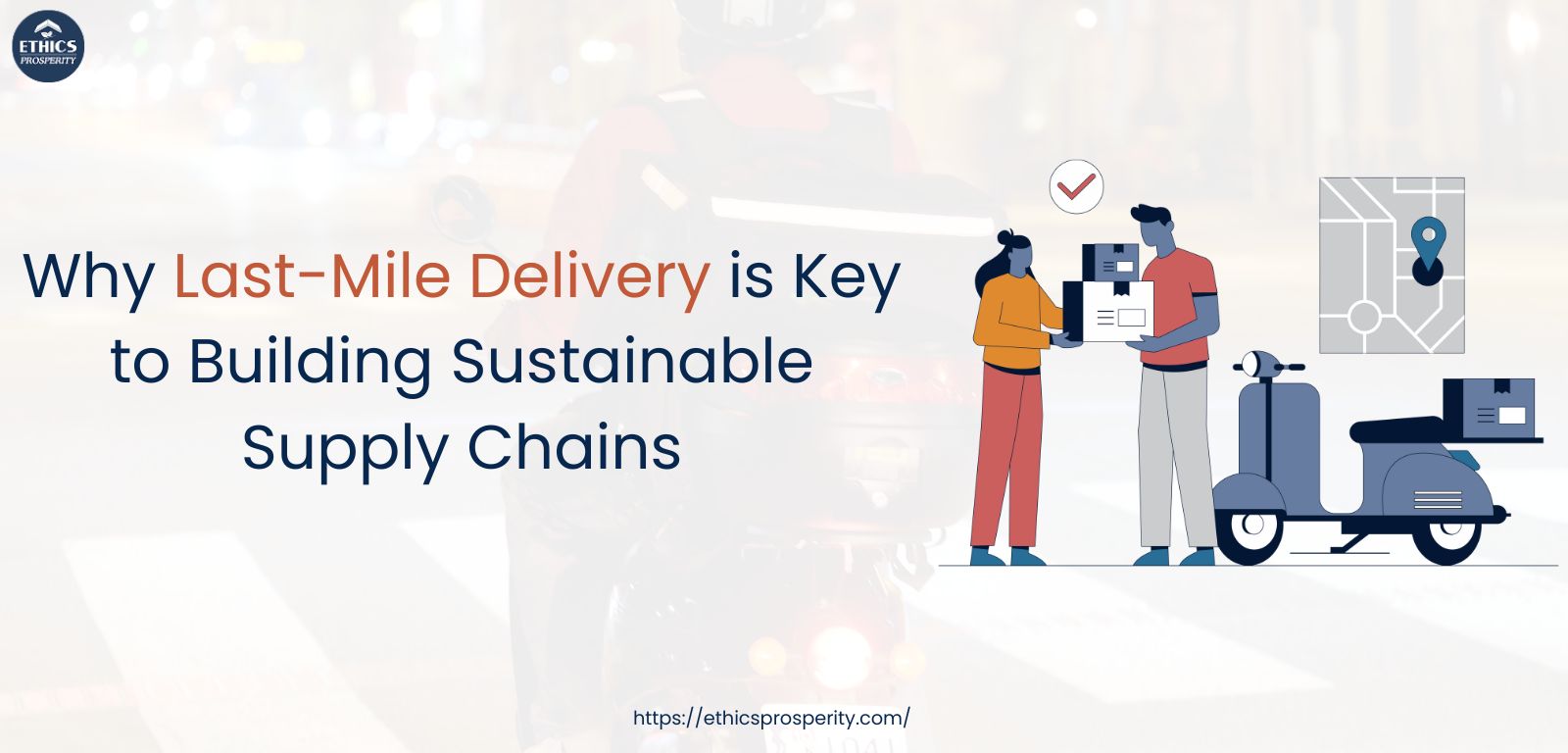
The growth of quick commerce has further increased expectations for rapid fulfillment, forcing businesses to redesign distribution networks.
3. Escalating Logistics Costs
Transportation expenses, warehousing costs, labor shortages, and packaging requirements continue to increase.
Achieving Cost optimization without compromising service quality remains a major operational challenge.
4. Demand Volatility
Consumer demand patterns change rapidly due to seasonal events, promotions, market trends, and external disruptions.
Accurate Demand forecasting is essential for maintaining operational stability and reducing supply chain risk.
Strategies for Optimizing the Supply Chain for E-commerce Growth
Build an End-to-End Visibility Framework
Organizations need complete visibility across procurement, inventory, warehousing, transportation, and delivery operations.
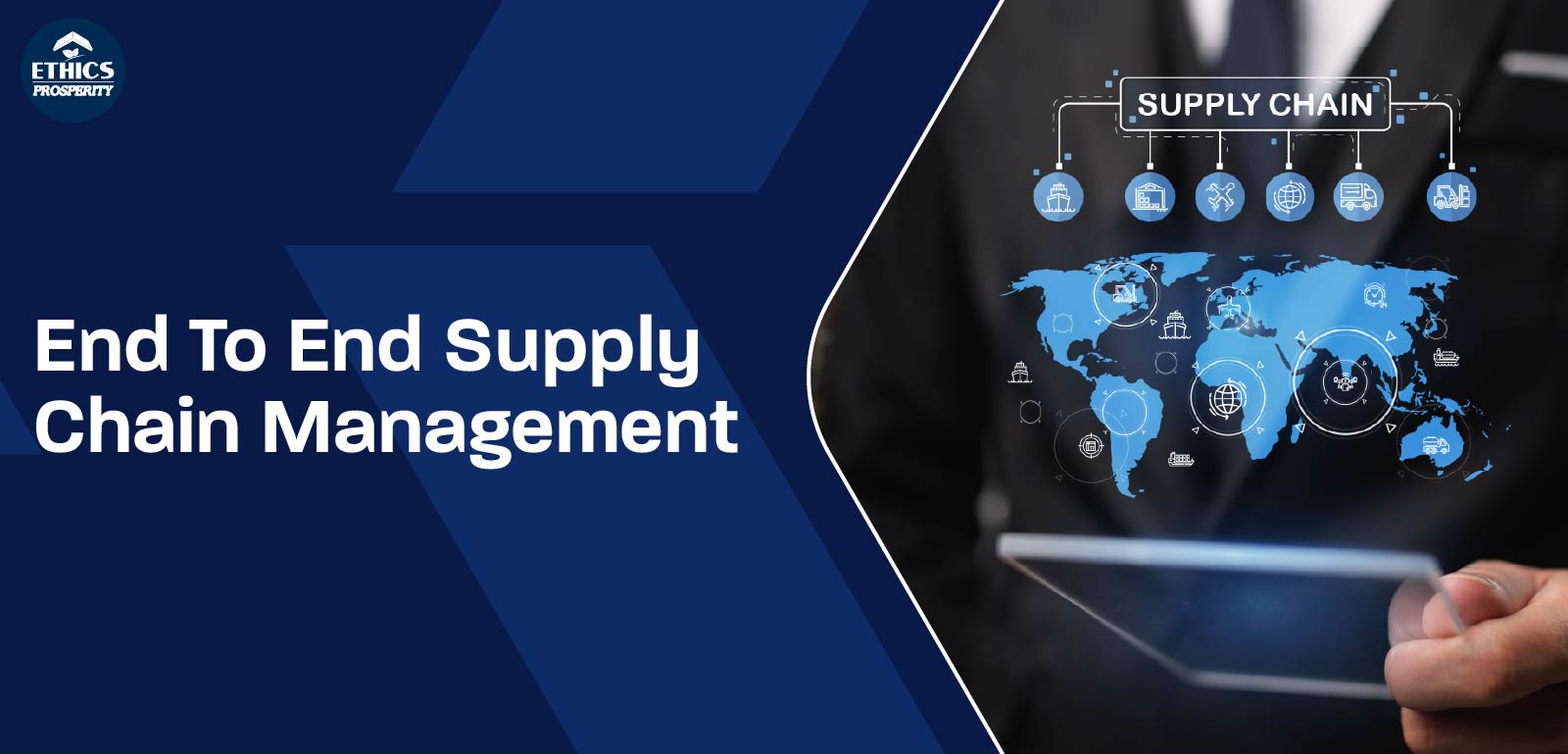
An integrated End-to-end supply chain approach helps businesses identify bottlenecks and respond quickly to changing customer requirements.
Improved Supply chain visibility enables better decision-making and risk management.
Optimize Fulfillment Networks
Many businesses are decentralizing inventory closer to customers through regional distribution centers and urban fulfillment hubs.
This strategy reduces delivery times while improving service levels.
The adoption of dark stores is becoming increasingly common for businesses supporting rapid delivery models.
Enhance Warehouse Efficiency
Modern fulfillment centers must process large order volumes quickly and accurately.
Investments in automation, process optimization, and advanced warehouse technologies improve productivity and accuracy.
A robust Warehouse Management System provides real-time inventory tracking, order processing visibility, and workflow optimization.
Strengthen Transportation Operations
Efficient Transportation management plays a critical role in controlling logistics costs and improving delivery performance.
Businesses should continuously evaluate carrier networks, routing strategies, and shipment consolidation opportunities to improve efficiency.
The Role of Technology in E-commerce Supply Chain Optimization
Technology has become the foundation of modern logistics operations.
Artificial Intelligence and Analytics
Advanced analytics platforms help businesses identify patterns, forecast demand, optimize inventory, and improve planning decisions.
AI-driven tools support proactive decision-making while reducing operational uncertainty.
Automation
Modern Supply chain automation technologies improve productivity across warehousing and fulfillment operations.
Automated workflows reduce manual intervention, improve order accuracy, and increase throughput capacity.
Internet of Things (IoT)
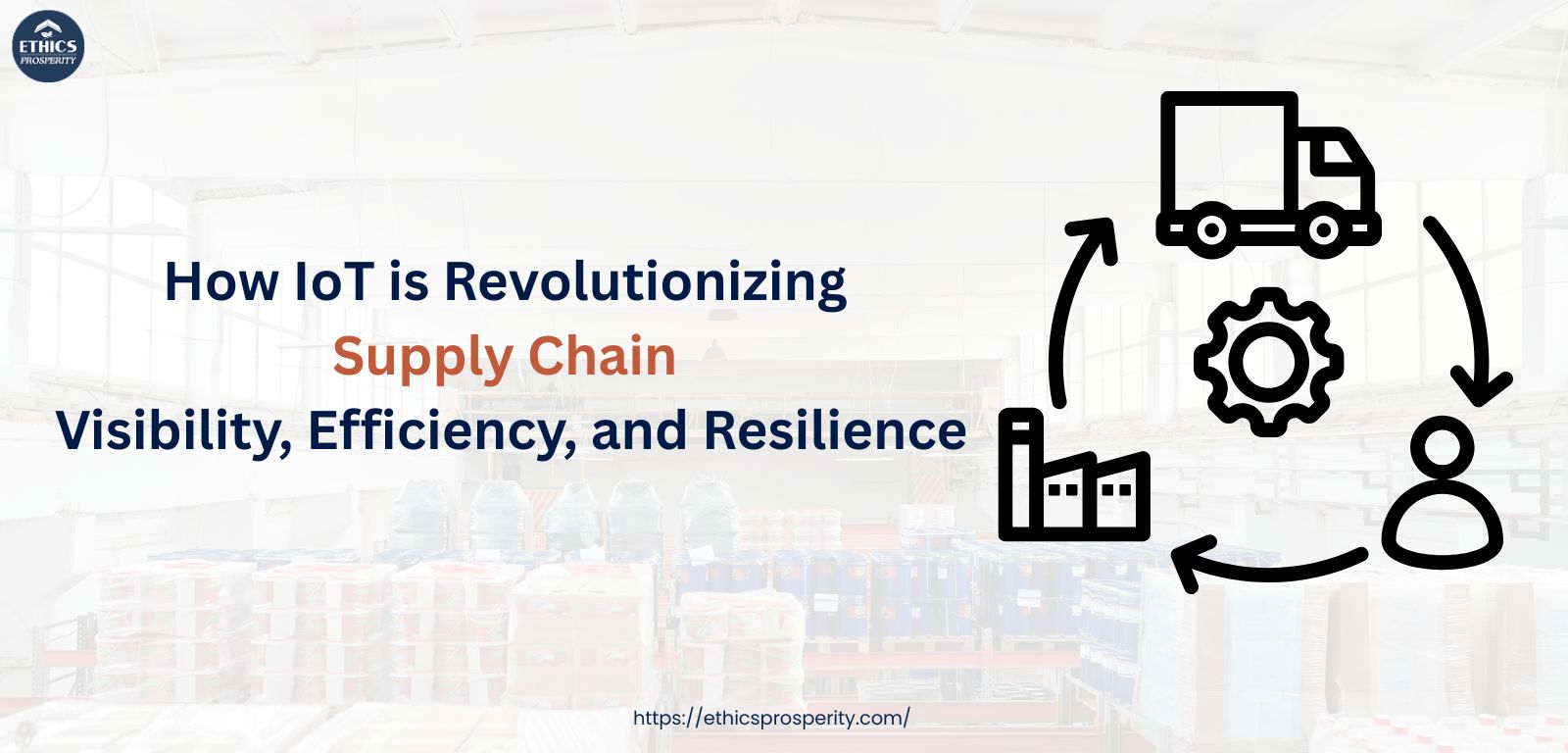
The use of IoT sensors provides real-time monitoring of inventory, equipment, and transportation assets.
This visibility improves operational control and supports faster issue resolution.
Integrated Logistics Platforms
Modern Logistics solutions connect multiple supply chain functions into a single ecosystem, enabling better collaboration and performance management.
Short Business Case Example
A fast-growing online retailer experienced increasing delivery delays and inventory imbalances during seasonal sales events.
By implementing regional fulfillment centers, upgrading warehouse technology, and improving planning processes, the company reduced delivery lead times by 25% while improving inventory accuracy and customer satisfaction.
This example demonstrates how strategic supply chain investments can directly support business growth.
Future Trends Shaping E-commerce Supply Chains
The next phase of e-commerce growth will be driven by technology, sustainability, and operational agility.
Key trends include:
AI-Powered Decision Making
Artificial intelligence will continue improving forecasting, inventory optimization, and transportation planning.
Expansion of Urban Fulfillment Networks
Businesses will increasingly rely on localized fulfillment models to meet faster delivery expectations.
Growth of Specialized Fulfillment Providers
Many organizations are partnering with E-commerce fulfillment companies in India to improve scalability and reduce infrastructure investments.
Sustainable Logistics Operations
Organizations are focusing on Sustainability initiatives such as route optimization, electric vehicles, packaging reduction, and energy-efficient warehouses.
Connected Supply Chains
The integration of fulfillment, transportation, and customer service platforms will improve collaboration and performance across the entire supply chain ecosystem.
Why Strategic Partnerships Matter
As supply chains become more complex, businesses increasingly rely on specialized logistics partners.
Leading supply chain companies and warehouse companies provide expertise, infrastructure, and technology that help organizations improve operational performance.
Many businesses also leverage professional Storage and fulfillment services to support growth without making significant capital investments.
Partnering with experienced logistics providers enables organizations to focus on core business activities while maintaining service excellence.
Conclusion
The continued expansion of e-commerce is creating both challenges and opportunities for businesses across industries. Organizations that invest in technology, fulfillment optimization, visibility, and scalable logistics networks will be better positioned to meet evolving customer expectations.
Successful ecommerce supply chain management requires a balanced approach that combines operational excellence, data-driven decision-making, and strategic partnerships. As the market continues to evolve, businesses that embrace innovation and build resilient supply chains will achieve sustainable long-term growth. At Ethics Prosperity, we believe future-ready supply chains will be defined by agility, visibility, efficiency, and customer-centric execution.