India’s food and beverages industry is on e of the most critical and fastest growing sectors of the economy. With a large population, rising urbanization, evolving consumption habits, and the rapid expansion of modern retail and e-commerce, the demand for safe, fresh, and readily available food products continues to rise. From fresh produce and dairy to packaged foods and beverages, businesses must manage high volumes, short shelf lives, and strict food safety standards.
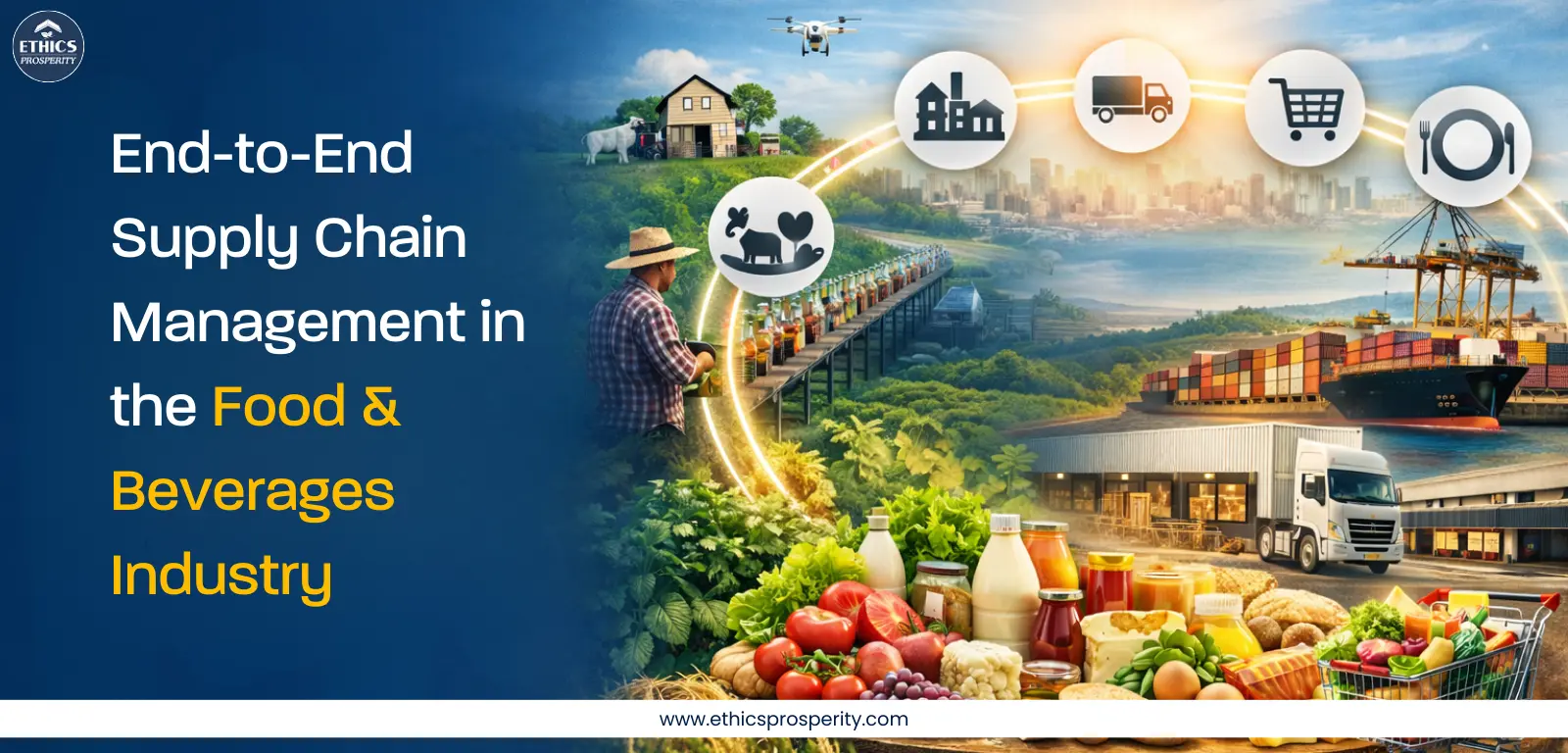
In this complex landscape, end to end supply chain management has become essential. It integrates sourcing, processing, warehouse operations, logistics, distribution management, and last mile delivery into a single, coordinated system. Effective supply chain management in the Food & Beverages industry helps brands reduce wastage, maintain quality, ensure regulatory compliance, and meet customer expectations across diverse Indian markets.
What Is End to End Supply Chain Management?
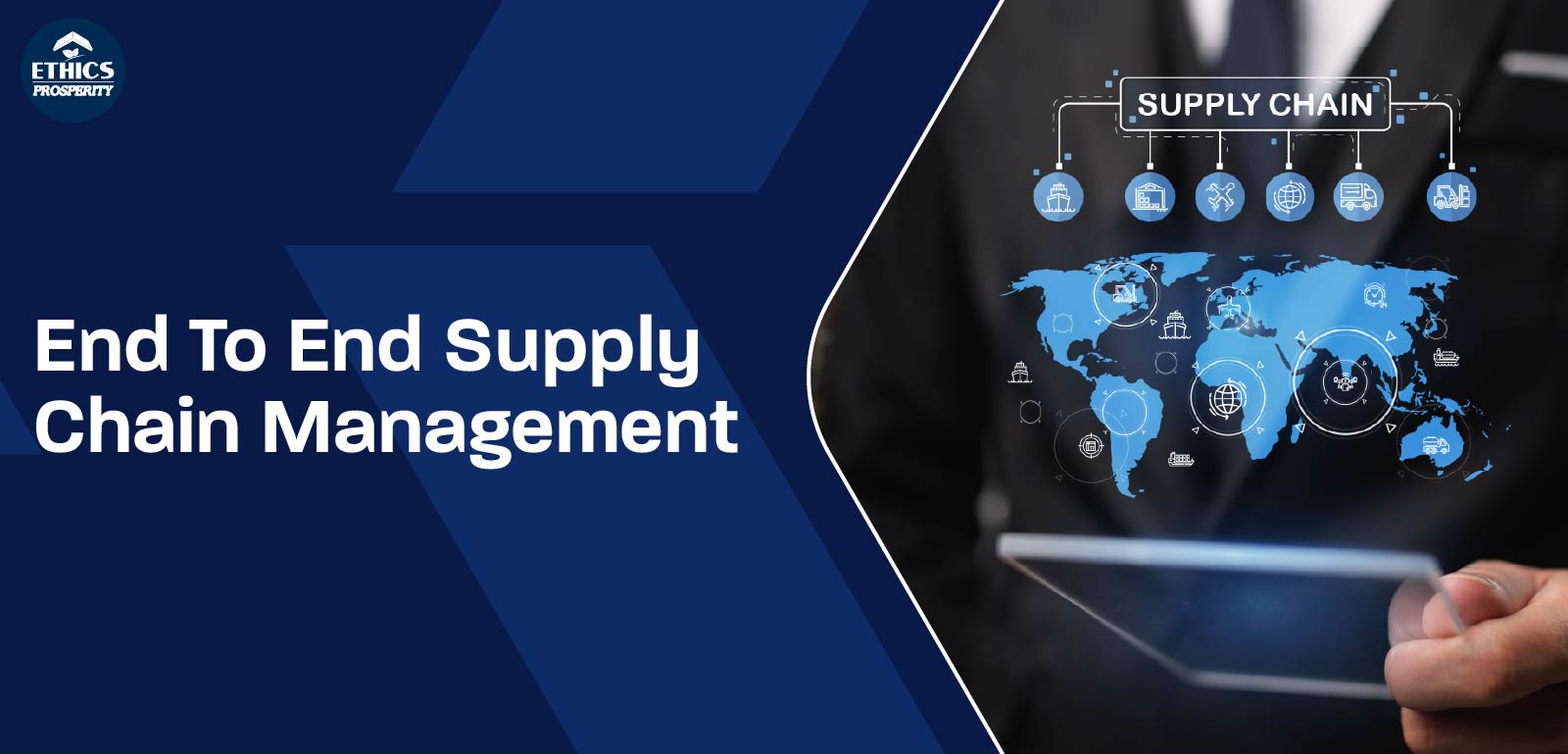
End to end supply chain management refers to the coordinated control of all supply chain activities, starting from raw material sourcing and production to storage, transportation, and final delivery. Instead of operating in silos, each stage works in alignment with shared data, visibility, and performance goals.
For the food and beverages industry, this approach is especially important due to the perishable nature of products. By integrating cold chain logistics, inventory planning, warehousing, and distribution management, companies can respond faster to demand changes, minimize spoilage, and ensure consistent product quality from source to consumer.
What Is Food & Beverages in Supply Chain Management?
Food and beverages supply chain management focuses on planning, executing, and controlling the movement of food products while preserving freshness, safety, and compliance. It includes sourcing raw ingredients from farmers and suppliers, processing and packaging, storage in cold storage warehouses, inventory management, logistics, and distribution across retail, horeca, and e-commerce channels.
Given the sensitivity of food products, supply chain management in the Food & Beverages industry must prioritize hygiene, traceability, and temperature control. In India, adherence to FSSAI regulations and food safety standards is critical, particularly as brands expand operations across multiple states and supply networks.
How Does a Food & Beverages Supply Chain Work?
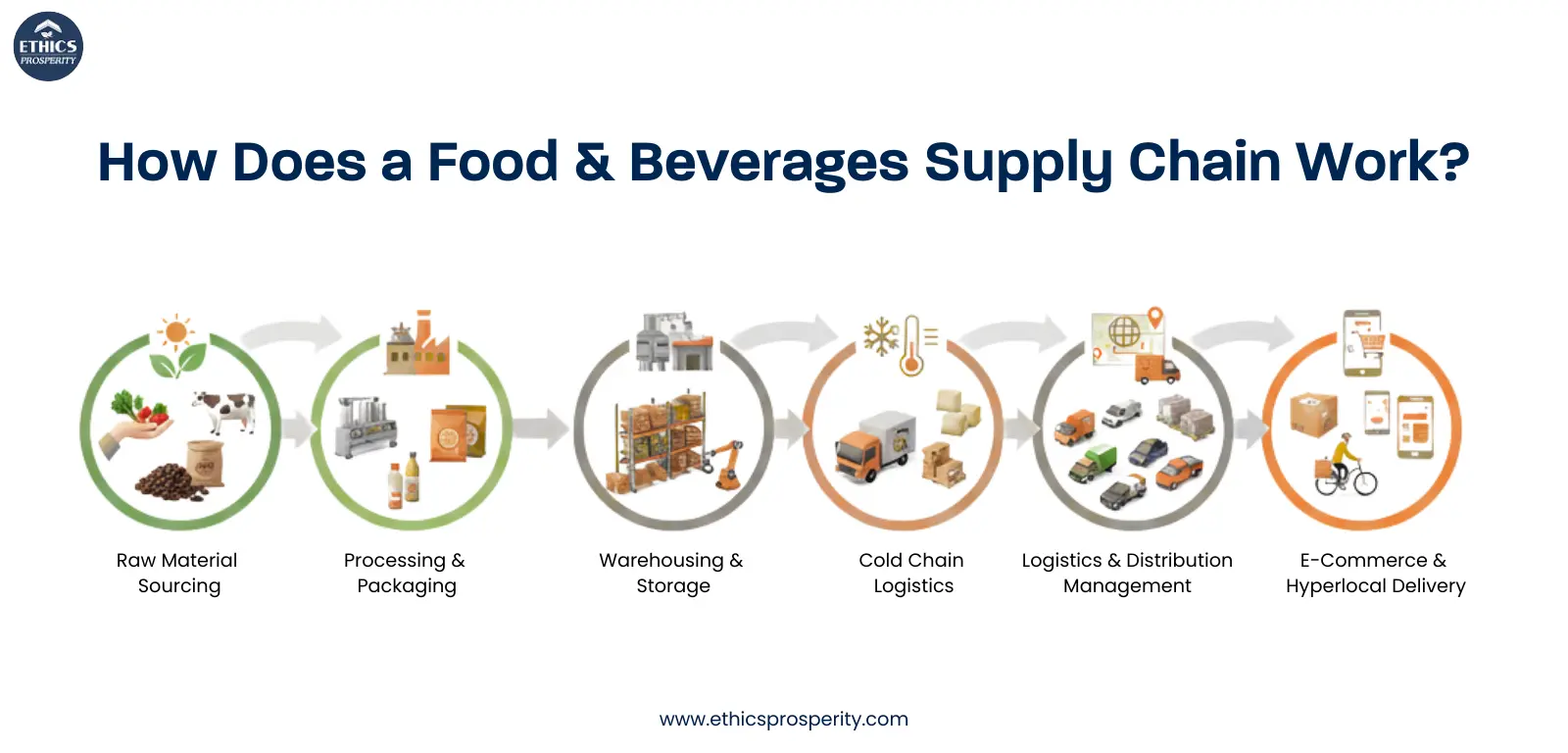
A food and beverages supply chain operates as a time sensitive, integrated system designed to maintain freshness, safety, and timely availability of products.
Key stages include:
-
Raw Material Sourcing: Agricultural produce, dairy, and packaging materials are sourced from certified suppliers and farmer networks.
-
Processing and Packaging: Products are processed, packed, and labeled under strict hygiene and quality standards.
-
Warehousing and Storage: Finished goods are stored in warehouses or cold storage warehouses based on shelf life requirements.
-
Cold Chain Logistics: Temperature controlled storage and transportation preserve product quality for perishable items.
-
Logistics and Distribution Management: Products move through organized logistics networks to retailers, horeca, and institutional buyers.
-
E Commerce and Hyperlocal Delivery: E commerce, dark stores, and hyperlocal delivery enable faster last mile fulfillment.
By integrating these stages, food brands ensure efficient flow, reduced wastage, and consistent product quality across markets.
Components of Supply Chain Management in Food & Beverages
An effective food and beverages supply chain is built on multiple interconnected components that work together to ensure efficiency and reliability.
-
Procurement and Sourcing: Raw materials are sourced from reliable suppliers to ensure quality, consistency, and traceability.
-
Processing and Production: Food products are processed, packaged, and labeled under controlled conditions to meet safety and regulatory standards.
-
Warehousing and Inventory Management: Well managed warehouses and digital inventory systems help control shelf life, reduce wastage, and align supply with demand.
-
Cold Chain Logistics: Temperature controlled storage and transportation are critical for dairy, frozen foods, beverages, and fresh produce.
-
Logistics and Transportation: Efficient logistics operations ensure timely movement across regions, supporting both bulk distribution and retail replenishment.
-
Distribution Management: Strong distribution management connects manufacturers to retailers, horeca outlets, and institutional buyers.
-
E Commerce and Hyperlocal Delivery: E-commerce, dark stores, and hyperlocal delivery strengthen last mile reach and improve access to fresh food.
Many supply chain companies in India and leading warehouse companies in India play a vital role in supporting these components at scale.
Benefits of End to End Supply Chain in Food & Beverages
End to end supply chain management delivers measurable operational and business benefits for food and beverages companies.
Key benefits include:
-
Reduced Wastage: Better inventory planning and cold chain logistics minimize spoilage.
-
Improved Product Freshness: Faster and controlled deliveries enhance shelf life.
-
Enhanced Visibility: Real time tracking across warehouses, logistics, and distribution.
-
Regulatory Compliance: Standardized processes support food safety norms.
-
Cost Efficiency: Optimized distribution management and storage reduce operational costs.
-
Better Customer Experience: Reliable availability across retail and e commerce channels.
Together, these benefits help brands scale sustainably while maintaining quality and trust.
Challenges in End to End Food & Beverages Supply Chains
Despite its advantages, managing end to end food and beverages supply chains in India presents several challenges.
Key challenges include:
-
Perishability and Shelf Life Pressure: Managing freshness across long distances is complex.
-
Cold Chain Infrastructure Gaps: Limited cold storage warehouse capacity affects efficiency in some regions.
-
Demand Volatility: Seasonal demand impacts forecasting and inventory planning.
-
Regulatory Complexity: Compliance across states adds operational burden.
-
Last Mile Delivery Issues: Urban congestion and rural access challenge hyperlocal delivery performance.
Addressing these challenges requires integrated planning, technology adoption, and partnerships with reliable supply chain providers.
Conclusion
As the food and beverages industry expands, end to end supply chain management has become a business necessity. Integrating sourcing, processing, warehouses, cold chain logistics, distribution management, and e-commerce fulfillment helps reduce wastage, improve efficiency, and ensure food safety from source to consumer.
At Ethics Prosperity, we deliver scalable supply chain solutions tailored for India. With strong warehouse operations, efficient logistics, cold storage warehouses, and technology driven distribution management, we help brands enable hyperlocal delivery, strengthen last mile reach, and meet rising consumer expectations