India is one of the world's largest pharmaceutical manufacturing hubs, supplying medicines, vaccines, and healthcare products to more than 200 countries. As the pharmaceutical industry continues to expand, logistics has become a critical success factor in ensuring product integrity, regulatory compliance, and timely delivery.
The future of Pharmaceutical Logistics in India is being shaped by technological innovation, stricter quality standards, evolving customer expectations, and growing global demand. Companies that invest in resilient logistics networks today will be better positioned to compete in an increasingly complex healthcare ecosystem.
Understanding Pharmaceutical Logistics in India
Pharmaceutical logistics involves the storage, transportation, handling, and distribution of medicines, vaccines, medical devices, and healthcare products while maintaining strict quality standards.
Unlike conventional freight movement, pharmaceutical products often require temperature-controlled transportation, batch traceability, secure handling, and compliance with domestic and international regulations.
The pharmaceutical supply chain process extends from manufacturing facilities to distribution centers, hospitals, pharmacies, and end consumers. Any disruption within this chain can affect product quality, patient safety, and business performance.
Key Drivers Shaping the Future of Pharmaceutical Logistics in India
Growing Domestic Demand
India's healthcare sector continues to expand due to rising healthcare awareness, increased insurance penetration, and improved access to medicines. This growth requires more agile logistics networks capable of handling higher shipment volumes while maintaining service quality.
Expansion of Pharma Exports
India is a major exporter of generic medicines and vaccines. Global markets increasingly demand enhanced compliance, product visibility, and validated transportation systems, pushing logistics providers to modernize their operations.
Regulatory Compliance Requirements
Organizations must comply with Good Distribution Practices (GDP), temperature monitoring standards, serialization requirements, and global quality regulations. Compliance has become a strategic differentiator rather than simply an operational requirement.
Digital Transformation
Technology is improving visibility across the entire logistics ecosystem. Modern businesses are investing in digital tools that enhance tracking, planning, and risk mitigation throughout the movement of pharmaceutical products.
Emerging Trends Transforming Pharmaceutical Logistics
1. AI-Driven Forecasting and Planning
The adoption of AI in pharmaceutical logistics is helping organizations predict demand fluctuations, optimize transportation routes, and reduce inventory-related inefficiencies.
According to recent industry studies, AI-enabled planning platforms can improve forecast accuracy by up to 30%, enabling better resource allocation and reduced stockouts.
Advanced Demand forecasting capabilities also help businesses anticipate seasonal demand spikes and regulatory changes that impact inventory requirements.
2. Advanced Cold Chain Infrastructure
Temperature-sensitive products such as vaccines, biologics, insulin, and specialty medicines require uninterrupted cold chain management.
Modern cold chain facilities now include:
-
Automated temperature monitoring
-
Real-time alerts
-
Backup power systems
-
Data logging capabilities
The expansion of temperature-controlled warehousing and transportation is creating significant opportunities for specialized logistics providers.
3. IoT-Based Shipment Monitoring
The use of IoT sensors enables real-time tracking of temperature, humidity, location, and handling conditions.
These technologies provide complete Supply chain visibility, allowing stakeholders to identify potential risks before product quality is compromised.
Real-time monitoring also strengthens compliance documentation and audit readiness.
4. Automation and Smart Warehousing
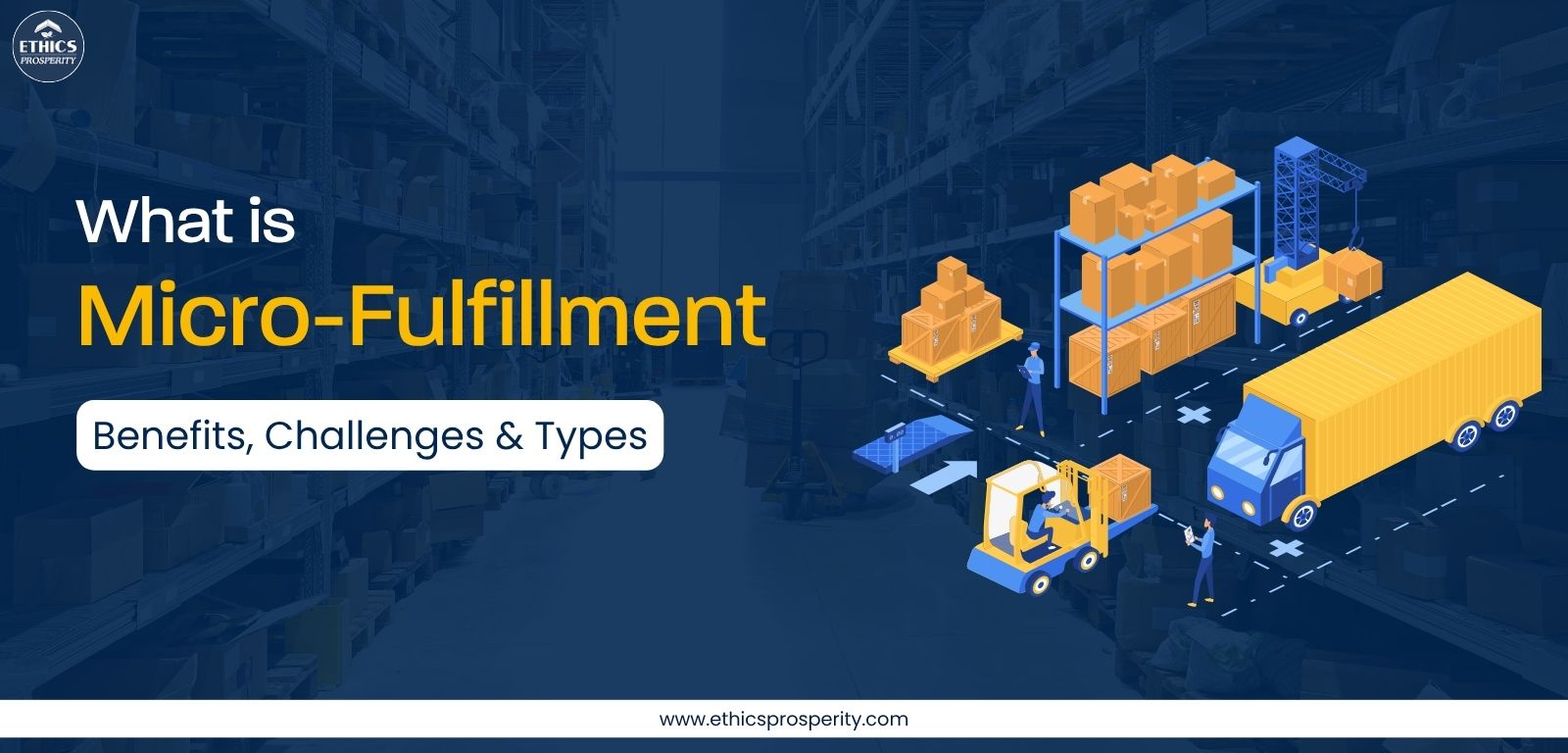
Leading pharma logistics operators are investing in automated storage systems, robotic handling equipment, and intelligent inventory control systems.
Enhanced Inventory management and advanced Warehouse Managment capabilities help reduce human error, improve accuracy, and accelerate order processing.
Automation also supports higher levels of Operational efficiency while maintaining compliance standards.
Challenges Facing Pharmaceutical Logistics in India
Temperature Control Risks
Maintaining product integrity throughout transportation remains one of the biggest challenges. Even minor temperature deviations can lead to product loss and regulatory concerns.
Regulatory Complexity
Pharmaceutical companies operate within a highly regulated environment. Compliance requirements often vary across domestic and international markets, creating operational complexity.
Infrastructure Gaps
Despite significant improvements, certain regions still face transportation and storage limitations that impact service consistency.
Rising Logistics Costs
Fuel prices, compliance investments, specialized packaging requirements, and skilled workforce needs continue to increase logistics expenses.
Achieving Cost optimization without compromising quality remains a key challenge for industry leaders.
Opportunities for Logistics Providers and Pharma Companies
The future presents substantial opportunities for organizations willing to invest strategically.
Growth of Specialized Pharma Logistics
Dedicated pharmaceutical transportation networks are becoming increasingly important as healthcare products become more complex and temperature-sensitive.
Expansion of Cold Chain Networks
Growing demand for biologics and specialty drugs is driving investment in advanced cold chain infrastructure across India.
Technology-Led Visibility
Modern Logistics solutions that provide end-to-end monitoring and predictive insights are becoming a major competitive advantage.
Companies that leverage AI in Supply Chain and Ai in Logistics initiatives will be better equipped to manage disruptions and improve service quality.
Short Business Case Example
A leading pharmaceutical manufacturer serving multiple Indian states faced recurring inventory imbalances and delayed deliveries.
By implementing an Integrated supply chain model supported by predictive planning tools and real-time shipment monitoring, the company improved service levels, reduced stock shortages, and strengthened compliance reporting within 12 months.
The project demonstrated how technology-enabled logistics can create measurable business value while enhancing patient access to critical medicines.
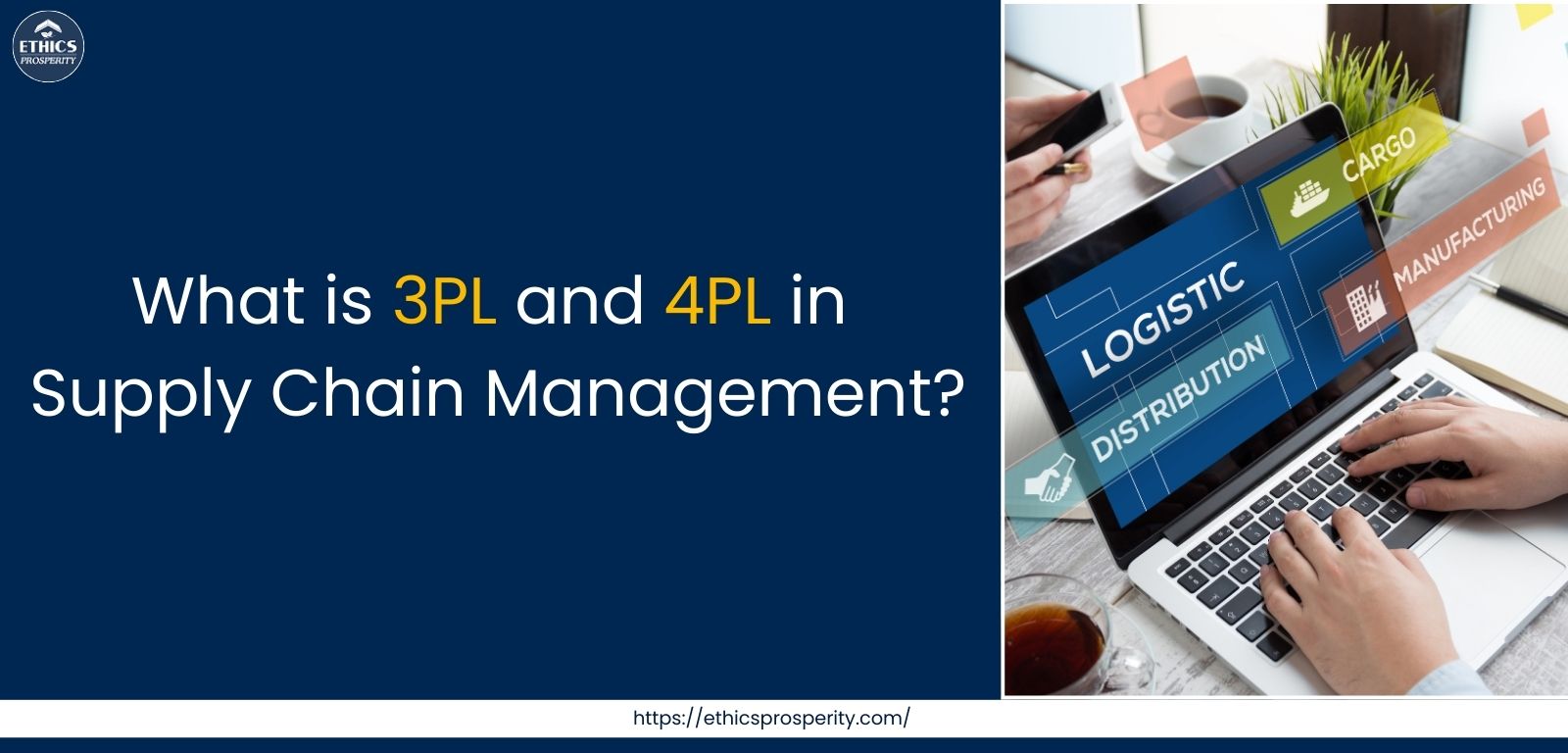
The Role of 3PL and Integrated Supply Chain Partners
Third-party logistics providers are becoming strategic partners rather than transportation vendors.
Modern 3PL organizations deliver:
-
Specialized pharma transportation
-
Temperature-controlled warehousing
-
Regulatory compliance support
-
Real-time shipment visibility
-
Multi-location distribution capabilities
An effective End-to-end supply chain approach enables pharmaceutical companies to focus on core manufacturing and innovation activities while logistics experts manage network execution.
Many leading supply chain companies and warehouse companies now offer specialized healthcare logistics capabilities that support faster market access and improved service reliability.
What the Future Holds for Pharmaceutical Logistics in India
Several developments are expected to define the next phase of industry growth:
-
Increased adoption of Supply chain automation
-
Greater use of digital twins and predictive analytics
-
Expansion of cold-chain infrastructure
-
Enhanced Transportation management capabilities
-
Stronger focus on Sustainability
-
Improved Order fulfillment performance through automation
The future will belong to organizations that combine compliance, technology, and operational excellence into a single integrated strategy.
Companies that strengthen SCM in pharmaceutical Industry practices today will be better prepared for future market demands and regulatory expectations.
Conclusion
The future of Pharmaceutical Logistics in India will be defined by technology, compliance, visibility, and resilience. As healthcare supply chains become increasingly complex, businesses must invest in digital capabilities, specialized infrastructure, and strategic partnerships to remain competitive.
Organizations that embrace innovation, strengthen risk management practices, and build agile logistics networks will be best positioned to capitalize on emerging opportunities. At Ethics Prosperity, we believe that modern pharmaceutical logistics is no longer just about transportation—it is about creating a secure, intelligent, and patient-focused supply chain ecosystem.