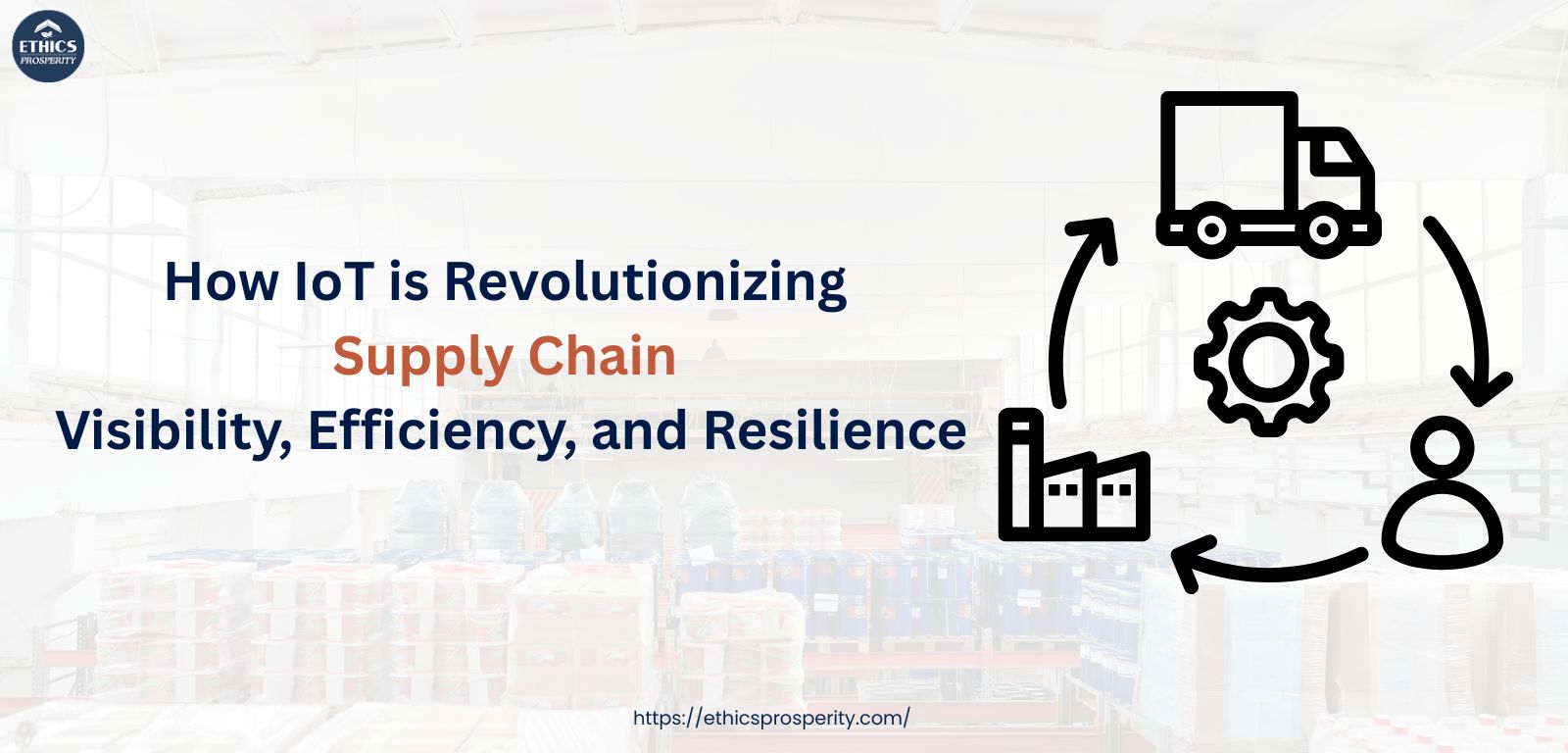
In today's highly connected business environment, supply chains are expected to operate with greater speed, transparency, and resilience than ever before. Customers expect accurate delivery commitments, manufacturers require uninterrupted material availability, and business leaders need real-time operational intelligence to make faster decisions. Traditional supply chain models, which rely heavily on manual updates and periodic reporting, are no longer sufficient to meet these expectations.
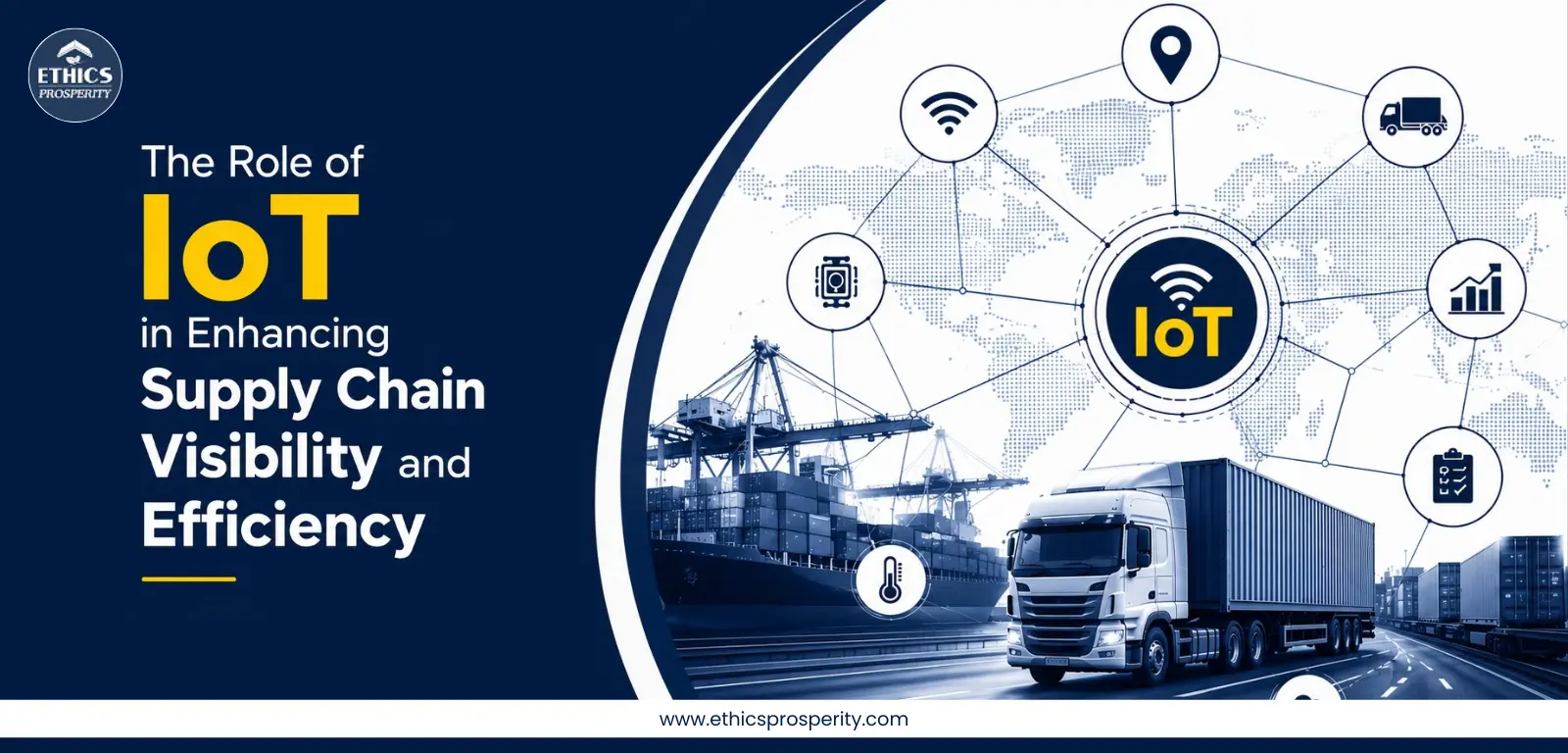
This is where IoT in Supply Chain has become a transformative technology. By connecting physical assets, vehicles, warehouses, and products through intelligent sensors and internet-enabled devices, organizations gain continuous visibility into every stage of their operations. Instead of reacting to disruptions after they occur, businesses can identify risks early, optimize workflows, and improve service performance across the network.
As digital transformation accelerates in 2026, organizations are investing in connected ecosystems that improve operational agility while reducing costs and enhancing customer satisfaction. Rather than simply tracking shipments, IoT enables businesses to make data-driven decisions across procurement, warehousing, transportation, and distribution.
This article explores how IoT enhances supply chain visibility, improves operational efficiency, highlights practical business applications, addresses implementation challenges, and outlines best practices for successful adoption.
What is IoT in Supply Chain Management?
The Internet of Things refers to a network of connected devices capable of collecting, transmitting, and analyzing operational data in real time. Within Supply chain management, these connected devices include GPS trackers, RFID tags, barcode scanners, environmental sensors, smart shelves, industrial equipment, and connected transportation assets.
Each device continuously captures operational information such as:
-
Asset location
-
Vehicle movement
-
Temperature and humidity
-
Inventory levels
-
Machine performance
-
Shipment conditions
-
Equipment utilization
This information is transmitted to centralized business platforms, enabling organizations to monitor operations continuously instead of relying on manual updates.
Modern IoT platforms often integrate with enterprise applications, allowing different departments to access a unified operational view. This supports better collaboration across procurement, manufacturing, warehousing, transportation, and customer service.
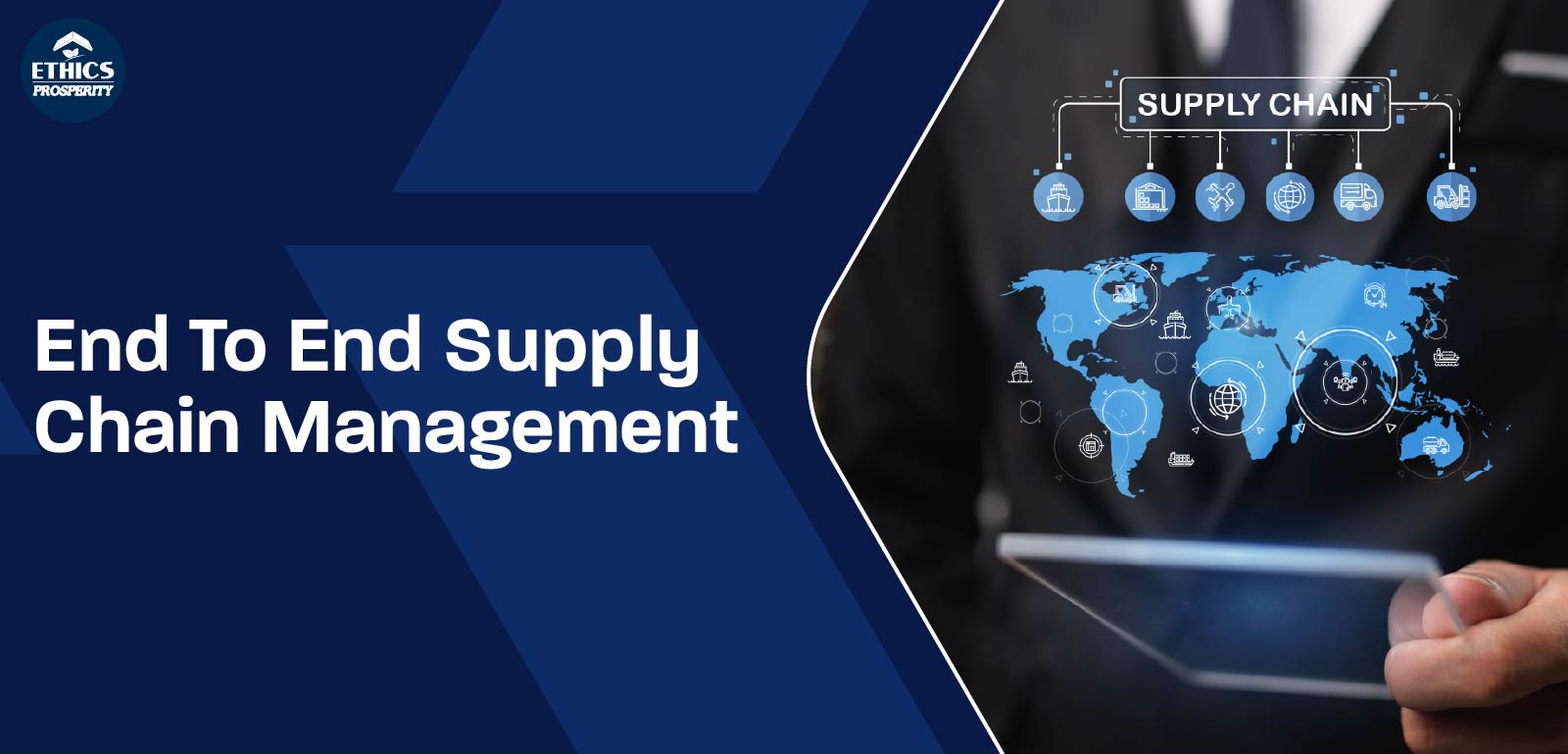
Instead of managing disconnected processes, organizations gain visibility across the End-to-end supply chain, enabling faster response to disruptions and more informed operational planning.
Why Supply Chain Visibility Matters
Supply chain visibility extends beyond shipment tracking. It represents the ability to monitor products, inventory, transportation assets, warehouse operations, and supplier performance throughout the logistics network.
Without accurate visibility, businesses commonly experience:
-
Inventory shortages
-
Overstock situations
-
Delayed deliveries
-
Poor customer communication
-
Higher logistics costs
-
Inefficient resource utilization
IoT addresses these challenges by creating a continuous stream of operational data that enables proactive decision-making.
For example, if a shipment is delayed due to severe weather or traffic congestion, GPS-enabled tracking devices immediately notify logistics teams. Operations managers can reroute deliveries, adjust warehouse schedules, and proactively inform customers before service levels are affected.
Similarly, connected warehouse sensors help monitor storage conditions, preventing quality issues for temperature-sensitive products while reducing manual inspection efforts.
Real-time operational visibility also supports continuous performance measurement, helping organizations identify bottlenecks before they become costly disruptions.
Key Benefits of IoT in Supply Chain Operations
1. Real-Time Asset Tracking
IoT-enabled GPS devices allow organizations to monitor vehicles, containers, pallets, and high-value assets throughout transportation. Instead of waiting for status updates, operations teams receive continuous location information, improving planning accuracy and customer communication.
2. Improved Inventory Accuracy
Connected inventory sensors automatically monitor stock movements across warehouses and distribution centers, significantly improving Inventory management while reducing manual counting errors.
Accurate inventory visibility enables faster replenishment decisions, minimizes stock discrepancies, and supports better working capital management.
3. Smarter Warehouse Operations
Connected sensors, automated equipment, and intelligent monitoring systems are driving the evolution of smart warehousing. Businesses can optimize storage utilization, monitor equipment health, reduce idle time, and improve workforce productivity through real-time operational insights.
4. Better Transportation Performance
Fleet managers can monitor vehicle routes, fuel consumption, driver behavior, delivery schedules, and shipment conditions simultaneously.
These insights help organizations optimize transportation planning while improving overall Logistics solutions performance and reducing unnecessary operational expenses.
5. Faster Decision-Making
Real-time operational dashboards provide executives with immediate visibility into key performance indicators across the business.
Instead of relying on historical reports, decision-makers can respond to disruptions as they occur, improving service reliability and operational resilience.
Real-World Applications of IoT Across Industries
The adoption of IoT in Supply Chain is no longer limited to large enterprises. Businesses across industries are leveraging connected technologies to improve operational visibility, reduce risks, and enhance customer service. While implementation varies by sector, the objective remains the same: creating a more intelligent, responsive, and efficient supply chain.
Pharmaceuticals & Healthcare
Pharmaceutical products require strict environmental controls throughout storage and transportation. IoT-enabled temperature, humidity, and shock sensors continuously monitor product conditions during transit and warehousing. If predefined thresholds are exceeded, automated alerts enable immediate corrective action, helping organizations maintain product integrity and regulatory compliance.
E-commerce & Retail
For e-commerce businesses, delivery speed and inventory accuracy directly influence customer satisfaction. IoT-powered inventory tracking enables businesses to maintain accurate stock levels across multiple fulfillment centers, reducing stockouts and improving Order fulfillment efficiency. Real-time shipment visibility also helps customer support teams provide accurate delivery updates.
Food & Beverage
Perishable products require constant monitoring throughout transportation. Connected sensors monitor cold storage conditions, vehicle temperatures, and transit duration, helping businesses reduce spoilage, maintain product quality, and comply with food safety regulations.
Automotive & Manufacturing
Manufacturers depend on uninterrupted material availability to maintain production schedules. IoT-enabled tracking provides real-time visibility into inbound shipments, allowing production planners to anticipate delays, optimize inventory availability, and minimize costly line stoppages.
FMCG Distribution
Fast-moving consumer goods require rapid inventory movement and frequent replenishment. IoT supports dynamic stock visibility across warehouses and distribution centers, enabling businesses to improve replenishment planning and strengthen retailer service levels.
Challenges of Implementing IoT in Supply Chains
Although the benefits are substantial, implementing IoT requires careful planning. Organizations often encounter technical, operational, and organizational challenges during deployment.
Data Security and Privacy
Connected devices continuously exchange operational data, increasing cybersecurity risks if proper safeguards are not implemented. Businesses must establish robust security protocols, encrypted communication, and access controls to protect sensitive operational information.
Integration with Existing Systems
Many organizations operate legacy ERP platforms, transportation systems, and warehouse applications. Successfully integrating IoT platforms with these existing technologies requires careful system architecture planning and standardized data exchange processes.
Initial Investment
IoT implementation involves investments in connected devices, communication infrastructure, software platforms, analytics capabilities, and workforce training. While the initial investment may appear significant, long-term operational savings often justify the expenditure through improved efficiency and reduced waste.
Managing Large Volumes of Data
Thousands of connected devices generate continuous streams of operational information. Without effective analytics, businesses risk collecting large amounts of data without extracting actionable insights. Organizations should establish clear performance metrics and dashboards that support timely operational decisions.
Workforce Adoption
Technology alone cannot transform supply chain performance. Employees must understand how to use connected systems effectively. Providing structured training and change management programs helps improve user adoption and maximizes the value of IoT investments.
Best Practices for Successful IoT Adoption
Organizations that achieve measurable returns from IoT typically follow a structured implementation strategy rather than attempting enterprise-wide deployment from the outset.
Begin with Clearly Defined Business Objectives
Successful projects start by addressing specific operational challenges, such as reducing delivery delays, improving inventory accuracy, or enhancing fleet utilization. Defining measurable objectives helps organizations evaluate performance and calculate return on investment.
Start with Pilot Projects
Instead of deploying connected devices across the entire network, businesses should begin with a pilot at a single warehouse, transportation route, or distribution center. Pilot programs validate business value, identify implementation challenges, and support smoother enterprise-wide expansion.
Integrate IoT with Existing Digital Platforms
The greatest value is realized when IoT data is integrated with enterprise applications such as a Warehouse Management System, transportation management platforms, and ERP solutions. This creates a unified operational environment where data supports end-to-end decision-making.
Leverage Predictive Analytics
IoT generates continuous operational data, but predictive analytics transforms that information into actionable insights. Businesses can anticipate equipment failures, forecast inventory requirements, optimize transportation schedules, and improve Demand forecasting accuracy before disruptions occur.
Measure Performance Continuously
Organizations should establish key performance indicators such as inventory accuracy, order cycle time, asset utilization, on-time delivery, equipment uptime, and transportation efficiency. Continuous monitoring enables ongoing operational improvement rather than one-time optimization.
The Future of IoT in Supply Chain Management
The role of IoT is expanding rapidly as organizations accelerate digital transformation initiatives. In 2026, connected supply chains are increasingly combining IoT with artificial intelligence, machine learning, robotics, digital twins, and advanced analytics to create more autonomous operations.
Future developments will focus on enabling predictive, rather than reactive, supply chain management. Instead of identifying issues after they occur, businesses will detect potential disruptions early and automatically recommend corrective actions.
Connected technologies will also play a significant role in Supply chain automation, reducing manual intervention across warehousing, transportation, and inventory operations while improving operational consistency.
Environmental responsibility is becoming another key priority. IoT enables organizations to monitor fuel consumption, optimize transportation routes, reduce energy usage in warehouses, and support broader Sustainability initiatives through improved resource efficiency and lower operational waste.
As customer expectations continue to evolve, organizations that embrace digital innovation will be better positioned to respond to market changes, improve resilience, and remain competitive. These developments are expected to shape future Supply chain trends, making real-time visibility and intelligent decision-making core capabilities rather than competitive advantages.
Conclusion
The modern supply chain operates in an environment where speed, visibility, and resilience are critical to business success. Traditional operational models based on delayed reporting and manual processes can no longer support the demands of today's global markets.
By implementing IoT in Supply Chain, organizations gain continuous visibility into assets, inventory, transportation, and warehouse operations, enabling faster decisions, improved efficiency, and stronger customer service. Beyond operational improvements, IoT provides the data foundation required for predictive planning, risk mitigation, and long-term business growth.
As digital technologies continue to mature, businesses that invest in connected operations today will be better prepared to manage future disruptions, optimize costs, and build more agile supply networks. Partnering with experienced supply chain experts such as Ethics Prosperity can help organizations develop scalable, technology-enabled logistics strategies that deliver measurable operational value.