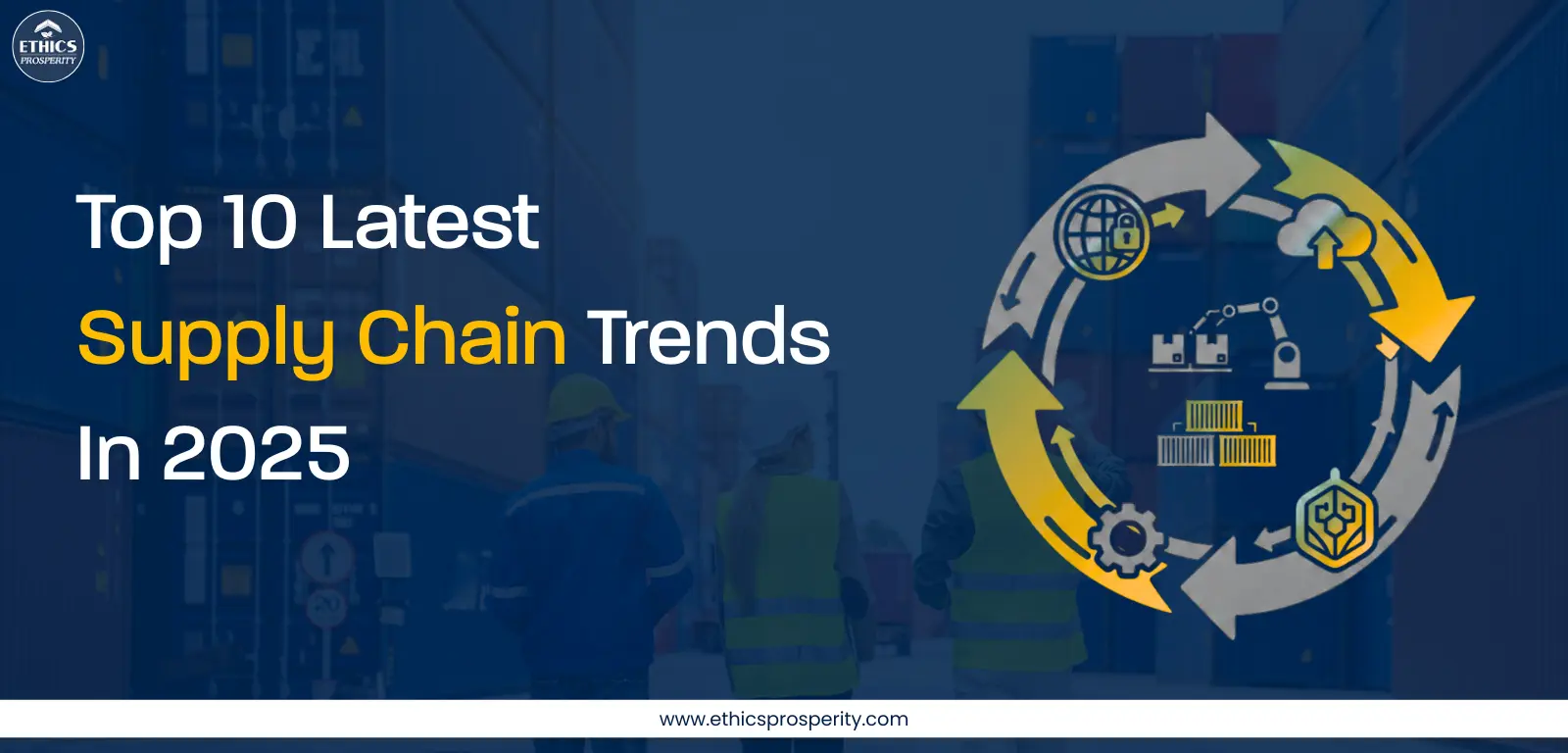
In 2026, rapid Supply Chain innovations and rising global disruptions are driving companies to adopt smarter, more connected digital supply chain systems. Businesses are using advanced analytics, automation, and sustainability-focused tools to build efficient, resilient networks.
At the same time, new logistics technology 2026 solutions like AI, real-time tracking, and predictive planning are reshaping the future supply chain. Understanding the leading supply chain trends 2026 is now essential for staying competitive in a fast-changing market.
Trend #1 – Artificial Intelligence & Predictive Analytics
As we move toward 2026, supply chain trends 2026 are being defined by the rapid rise of supply chain innovations powered by Artificial Intelligence and predictive analytics. These advancements are reshaping the digital supply chain, enabling smarter forecasting, real-time visibility, and agile decision-making across global networks.
Meanwhile, logistics technology 2026 is accelerating automation, robotics, and data-driven optimization, enabling businesses to move from traditional linear models to intelligent, connected ecosystems. With demand sensing, dynamic routing, and proactive risk management, these advancements are shaping the future supply chain, making it faster, more resilient, and better aligned with evolving customer and market expectations.
Trend #2 – Supply Chain Sustainability & Green Logistics
Sustainability is emerging as a defining force within supply chain trends 2026, as companies invest in greener, more responsible operations. Organizations are embracing supply chain innovations such as electric and hybrid fleets, energy-efficient warehouses, recyclable packaging, and advanced route optimization powered by modern logistics technology 2026. These eco-focused improvements not only reduce emissions and waste but also enhance efficiency, cost savings, and overall performance across the digital supply chain.
With rising consumer expectations and tightening global regulations, sustainability is shifting from an option to a strategic requirement for every future supply chain. Businesses are leveraging digital tools to track carbon footprints, measure supplier sustainability standards, and ensure compliance across all touchpoints. As environmental responsibility becomes central to decision-making, green logistics is evolving into a key driver of resilience, competitiveness, and long-term growth in the supply chains of tomorrow.
Trend #3 – Blockchain for Transparency & Traceability
Blockchain in supply chain is becoming a major force in supply chain trends 2026, bringing powerful supply chain innovations that enhance transparency and trust across the digital supply chain. With its tamper-proof, real-time data records, blockchain enables accurate tracking from sourcing to delivery, strengthens supplier accountability, and eliminates information gaps across complex networks.
As businesses move toward the future supply chain, blockchain is increasingly essential for risk management, fraud prevention, and ethical sourcing. Paired with emerging logistics technology 2026, it boosts authenticity verification, ensures regulatory compliance, and delivers the traceability modern supply chains need to stay resilient and competitive.
Trend #4 – Rise of Robotics & Automation in Warehousing
Robotics and automation are reshaping modern warehousing, emerging as a key highlight of supply chain trends 2026 and driving major supply chain innovations across the digital supply chain. Technologies like autonomous mobile robots (AMRs), robotic picking systems, automated conveyors, and AI-enabled sorting tools are boosting speed, accuracy, and efficiency within warehouse operations. These solutions reduce manual effort, minimize errors, and optimize space utilization, enabling round-the-clock productivity.
As companies prepare for the future supply chain, robotics-driven automation is becoming indispensable. Supported by rapidly advancing logistics technology 2026, smart warehouse systems are enhancing safety, improving workforce efficiency, and creating connected, data-driven environments that strengthen operational resilience and competitiveness.
Trend #5 – Resilient Supply Chain Strategies
Building resilience has become a top priority within supply chain trends 2026, as companies navigate market volatility, geopolitical uncertainties, and rapidly shifting customer expectations. Businesses are increasingly investing in supply chain innovations such as multi-sourcing, nearshoring, digital twins, advanced forecasting tools, and integrated planning systems to strengthen agility and reduce disruption risks. These strategies create a more adaptable and responsive digital supply chain, capable of absorbing shocks and maintaining continuity even in unpredictable conditions.
As organizations prepare for the future supply chain, resilience is evolving into a long-term competitive advantage. With the support of emerging logistics technology 2026, companies are enhancing end-to-end visibility, improving real-time decision-making, and building flexible networks that can quickly adjust to supply or demand fluctuations. By focusing on preparedness, collaboration, and data-driven planning, resilient supply chain strategies are becoming essential for ensuring stability and sustainable growth in an increasingly complex global landscape.
Trend #6 – Digital Twins & Simulation Models
Digital twins and simulation models are becoming major drivers of supply chain trends 2026, enabling companies to virtually replicate operations and make smarter, data-driven decisions. By creating a real-time digital version of warehouses, production lines, or transportation networks, businesses can test scenarios, predict bottlenecks, and optimize performance without disrupting live workflows. These supply chain innovations significantly strengthen forecasting, risk readiness, and the agility of the modern digital supply chain.
As organizations move toward the future supply chain, digital twins are emerging as essential tools for enhanced visibility and proactive decision-making. Supported by advancing logistics technology 2026, they enable rapid simulation of demand shifts, dynamic route planning, and better disruption management. By integrating AI, IoT, and predictive analytics, digital twins help build smarter, more resilient, and highly optimized supply chain networks.
Trend #7 – E-commerce & Quick Commerce Fulfillment
The rapid rise of online shopping is shaping supply chain trends 2026, with e-commerce and quick commerce transforming expectations for speed, accuracy, and convenience. Supported by powerful supply chain innovations and evolving logistics technology 2026, businesses are adopting micro-warehousing, dark stores, automated picking, and hyperlocal delivery models to create faster, more efficient fulfillment. These advancements are strengthening real-time visibility and boosting agility across the digital supply chain.
As demand for instant delivery continues to grow, organizations are redesigning their networks to support the future supply chain. AI-driven forecasting, flexible storage solutions, and dynamic routing tools are helping companies manage high-volume, time-sensitive orders with greater precision. E-commerce and quick commerce fulfillment are now essential capabilities for staying competitive in an increasingly digital marketplace.
Trend #8 – Cybersecurity in Supply Chains
As digitalization accelerates, cybersecurity is becoming a top priority in supply chain trends 2026. The expansion of the digital supply chain, powered by IoT, cloud platforms, automation, and advanced logistics technology 2026, has increased vulnerabilities across supplier systems, data exchanges, and operational platforms. Companies are now implementing robust supply chain innovations such as encrypted data sharing, zero-trust frameworks, real-time threat detection, and continuous monitoring to safeguard sensitive information.
Looking toward the future supply chain, cybersecurity is no longer optional; it is essential for resilience and reliability. Strengthening cyber defenses helps prevent disruptions, secure supplier ecosystems, and maintain customer trust, making it a critical pillar of stability and competitiveness in today’s interconnected global supply chains.
Trend #9 – Human-Centric Supply Chain Management
As supply chain trends 2026 evolve, organizations are focusing on a human-centric approach that balances technology with workforce engagement. While automation, AI, and advanced logistics technology 2026 optimize operations, skilled employees remain vital for decision-making, problem-solving, and relationship management across the digital supply chain. Integrating human insights with supply chain innovations enhances collaboration, agility, and operational efficiency.
Looking ahead to the future supply chain, human-centric strategies are key to employee satisfaction, talent retention, and knowledge-driven innovation. Empowering teams through upskilling, collaborative platforms, and supportive workplace culture ensures technology complements human expertise, creating resilient, adaptable, and high-performing supply chain networks.
Trend #10 – Data-Driven Collaboration Across Ecosystems
Data-driven collaboration is shaping supply chain trends 2026, connecting suppliers, partners, and customers across complex networks. Using real-time analytics, shared platforms, and AI insights, companies can optimize inventory, improve coordination, and make faster, more informed decisions across the digital supply chain.
Looking ahead to the future supply chain, collaborative data-sharing is essential for resilience and agility. Integrating advanced logistics technology 2026 with secure, interoperable systems allows businesses to respond quickly to market changes, manage risks, and strengthen partnerships for long-term competitiveness.
Role of Ethics Prosperity in Future Supply Chains
Ethics Prosperity continues to be a driving force in shaping the future supply chain, focusing on innovation, transparency, and resilience across global networks. By leveraging advanced logistics technology 2026 and digital supply chain solutions, the company enables smarter decision-making, real-time visibility, and seamless collaboration across suppliers, partners, and customers. Through ongoing supply chain innovations, Ethics Prosperity helps organizations optimize operations, enhance efficiency, and build sustainable, customer-centric supply chains that are adaptable to evolving market needs.
Combining AI, predictive analytics, and human-centric approaches, Ethics Prosperity ensures that technology complements workforce expertise, fostering agile, resilient, and high-performing supply chains. Its ongoing commitment to responsible practices, sustainability, and innovation positions the company as a trusted partner in navigating the complexities of modern supply chains, shaping smarter, more connected, and future-ready ecosystems.
Conclusion
Supply chain trends 2026 are shaping a future defined by smarter systems, stronger resilience, and seamless collaboration. Supply chain innovations like automation, AI, robotics, and sustainability are turning traditional models into adaptive digital supply chains. Leveraging logistics technology 2026, businesses can optimize performance, navigate disruptions, and stay ahead in the evolving global market.
Ethics Prosperity is driving this transformation, enhancing digital supply chain capabilities, and fostering efficiency, transparency, and resilience. By embracing technology, sustainability, and human-centric values, the company empowers organizations to build agile, future-ready supply chains.