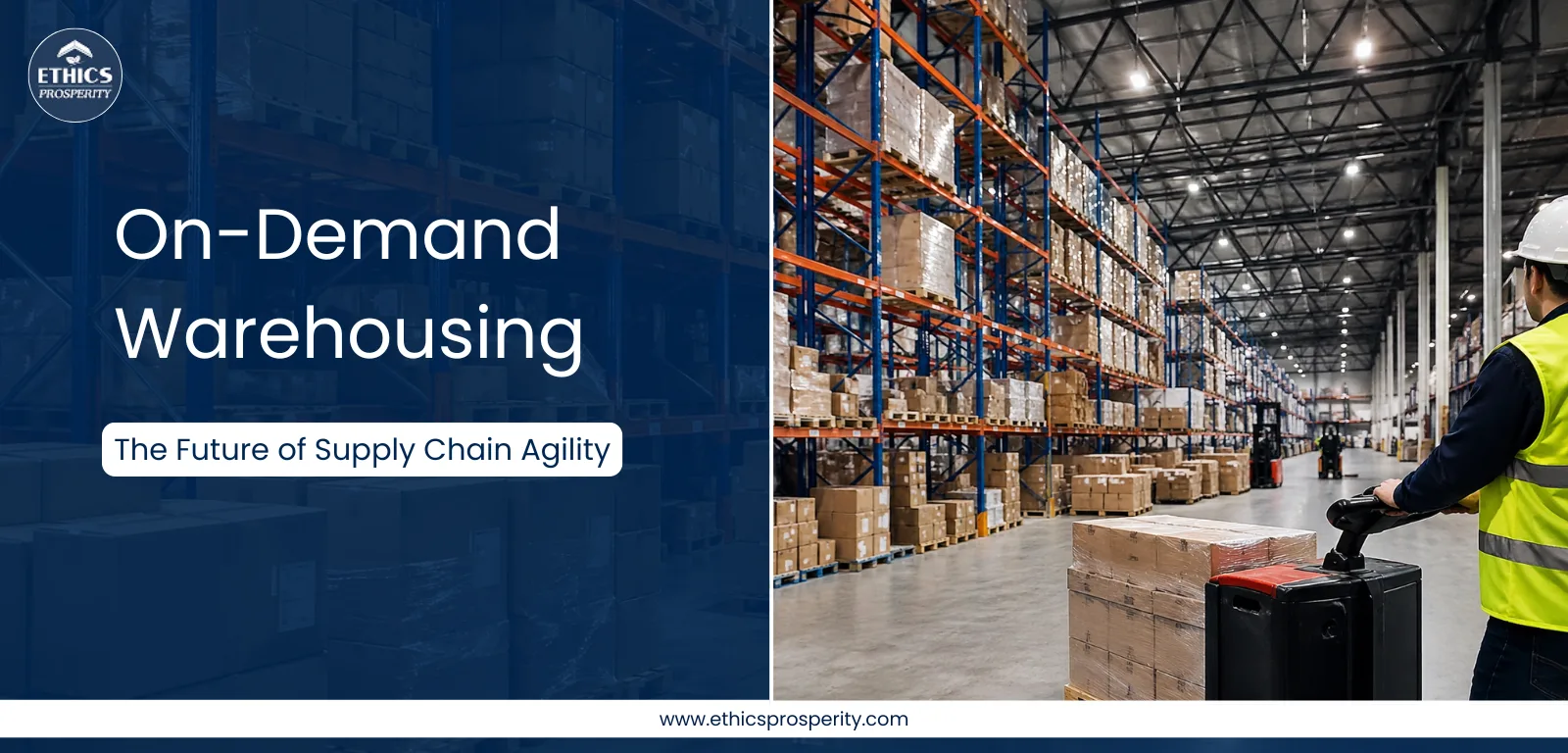
In today’s fast-evolving business environment, supply chains are under constant pressure to become more agile, scalable, and cost-efficient. Traditional warehousing models, built on long-term leases and fixed infrastructure, are increasingly struggling to keep up with fluctuating demand patterns.
This is where On-demand warehousing is transforming the landscape. It offers businesses the flexibility to scale storage capacity up or down based on real-time needs, enabling greater efficiency across End-to-End Supply Chain Management.
Driven by the rise of e-commerce, dynamic consumer behavior, and the expansion of Quick Commerce Companies, organizations are shifting toward flexible warehousing models that support speed, efficiency, and responsiveness.
What is On-Demand Warehousing?
On-demand warehousing is a flexible storage solution that allows businesses to access warehouse space and services on a short-term or as-needed basis, without long-term commitments.
Unlike traditional warehousing, this model operates on a pay-as-you-go structure, allowing companies to optimize costs while maintaining operational efficiency.
It plays a crucial role in modern Supply Chain Management, helping businesses adapt quickly to demand fluctuations and market changes.
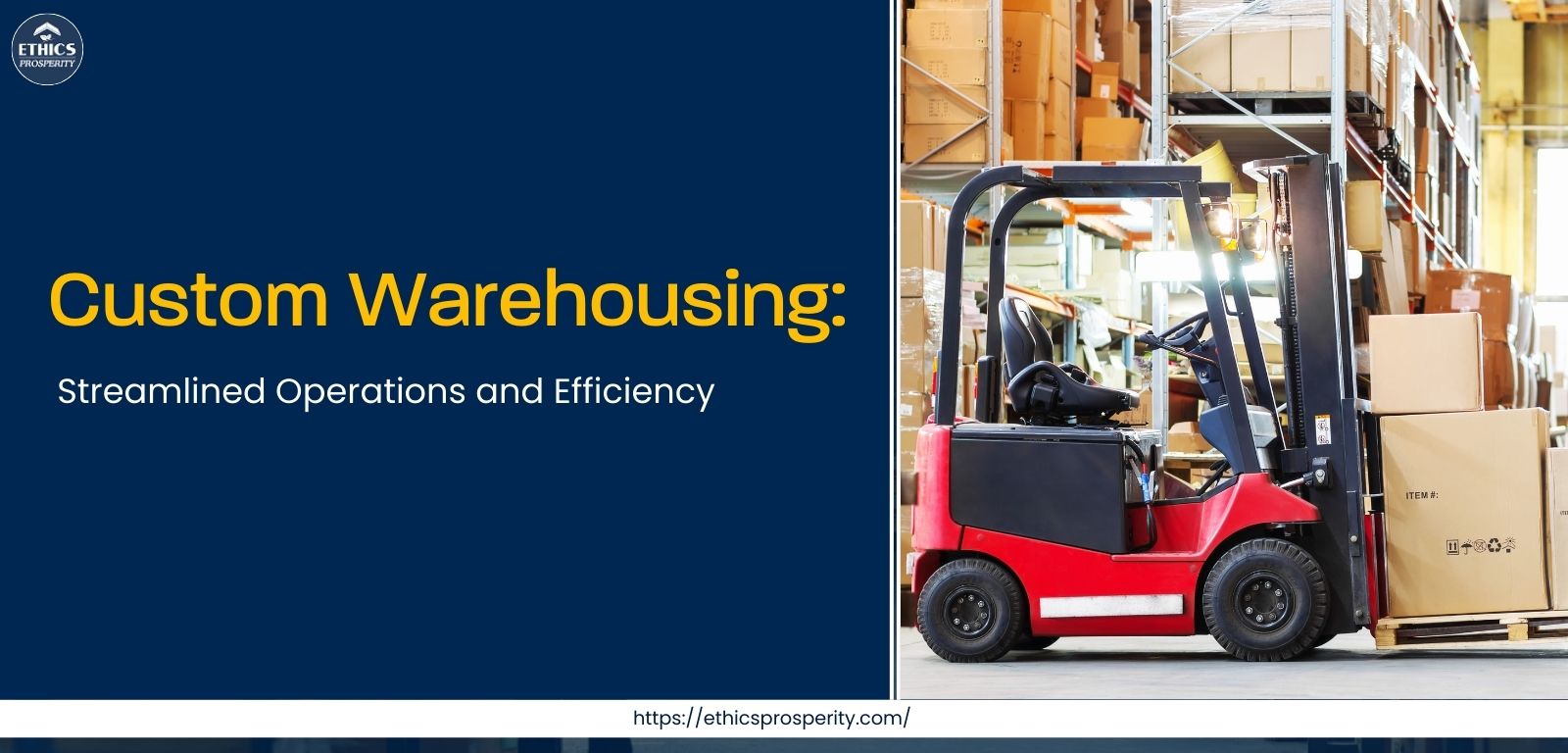
On-demand warehousing often integrates with Custom warehousing solutions, enabling tailored storage, handling, and distribution strategies based on specific business requirements.
Benefits of On-Demand Warehousing
1. Scalability and Flexibility
Businesses can scale storage capacity based on seasonal demand, product launches, or market expansion, eliminating the need for fixed infrastructure investments.
2. Cost Optimization
By eliminating long-term leases and underutilized space, companies can significantly reduce operational costs and improve profitability.
3. Faster Market Reach
Strategically located warehouses enable quicker distribution, supporting faster deliveries and improving customer satisfaction.
4. Improved Inventory Management
Integration with advanced systems enhances inventory management, ensuring optimal stock levels and reducing wastage.
5. Enhanced Supply Chain Agility
On-demand warehousing allows businesses to respond quickly to disruptions, ensuring continuity and resilience.
6. Access to Advanced Infrastructure
Companies gain access to modern facilities equipped with Smart Warehousing capabilities and warehouse automation, improving operational efficiency.
Technology Enabling On-Demand Warehousing
1. Warehouse Management Systems (WMS)
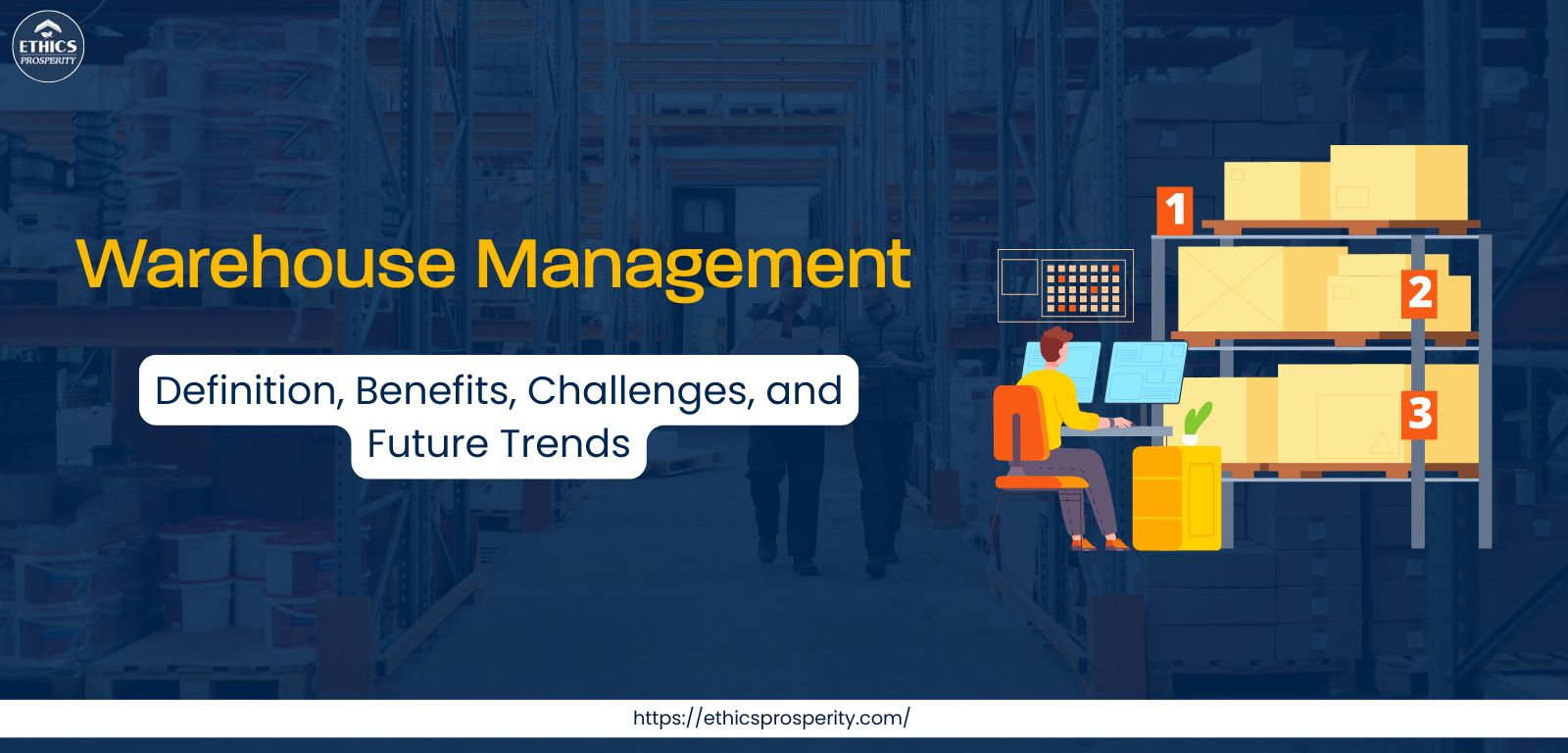
Modern warehouses rely on Warehouse Management System(WMS) to streamline operations, track inventory, and optimize workflows.
2. Artificial Intelligence and Machine Learning
The use of AI & Machine Learning enables predictive decision-making, improving demand planning and operational efficiency.
3. Predictive Analytics
Predictive Analytics helps forecast demand patterns, enabling better capacity planning and resource allocation.
4. Digital Platforms and Marketplaces
Online platforms connect businesses with warehouse providers, enabling seamless booking and management of storage space.
5. Automation Technologies
Automation tools enhance efficiency, reduce manual errors, and improve overall productivity in warehousing operations.
Industry Use Cases
1. E-commerce and Retail
E-commerce companies use on-demand warehousing to manage fluctuating demand and ensure faster order fulfillment.
2. Pharmaceutical Industry
In the Pharmaceutical Supply Chain, on-demand warehousing supports compliance, temperature control, and timely distribution, including cold storage warehousing requirements.
3. Automotive & Engineering
Businesses in Supply Chain Management in the Automotive & Engineering Industry leverage flexible warehousing to manage spare parts and inventory efficiently.
4. Logistics and 3PL Providers
Understanding models like What is 3pl, 4pl, and 5pl helps logistics providers offer scalable warehousing solutions and improve service delivery.
5. Regional Expansion Strategies
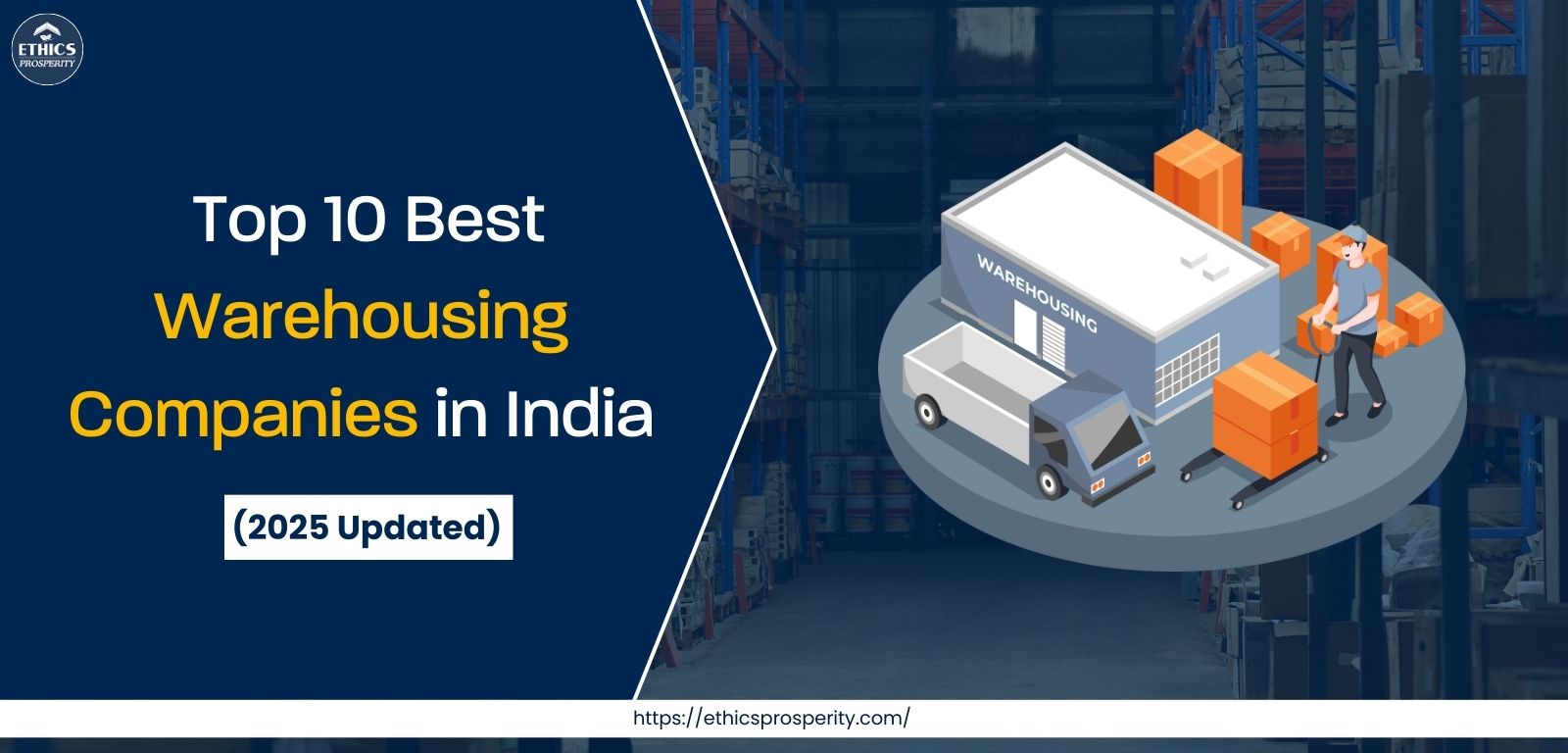
Organizations exploring infrastructure from the Top 10 Warehousing Companies in Gurugram or benchmarking against the Top 5 Supply Chain Companies in Bangalore use on-demand warehousing to expand operations efficiently.
Future of On-Demand Warehousing
The future of on-demand warehousing is closely linked to technological advancements and evolving business needs.
1. Increased Adoption of Smart Technologies
Integration of AI, IoT, and automation will further enhance efficiency and operational control.
2. Integration with Transportation Networks
On-demand warehousing will align more closely with transportation systems, including the Modern trucking industry, ensuring seamless logistics operations.
3. Support for Hybrid Delivery Models
Flexible warehousing will play a key role in enabling delivery strategies such as Hyperlocal vs Last Mile Delivery, ensuring faster and more efficient fulfillment.
4. Data-Driven Decision Making
Advanced analytics will enable businesses to make real-time decisions and optimize supply chain performance.
5. Growth of Digital Ecosystems
Warehousing will become part of interconnected digital supply chain ecosystems, improving collaboration and efficiency.
Conclusion
On-demand warehousing is redefining how businesses approach storage and distribution in modern supply chains. By offering flexibility, scalability, and cost efficiency, it empowers organizations to respond quickly to market demands and operational challenges.
As supply chains become more dynamic, adopting on-demand warehousing is no longer a strategic option—it is a necessity for staying competitive. Businesses that embrace this model will gain greater agility, improved efficiency, and enhanced customer satisfaction.
Ethics Prosperity enables organizations to leverage on-demand warehousing solutions, driving supply chain agility and sustainable growth.