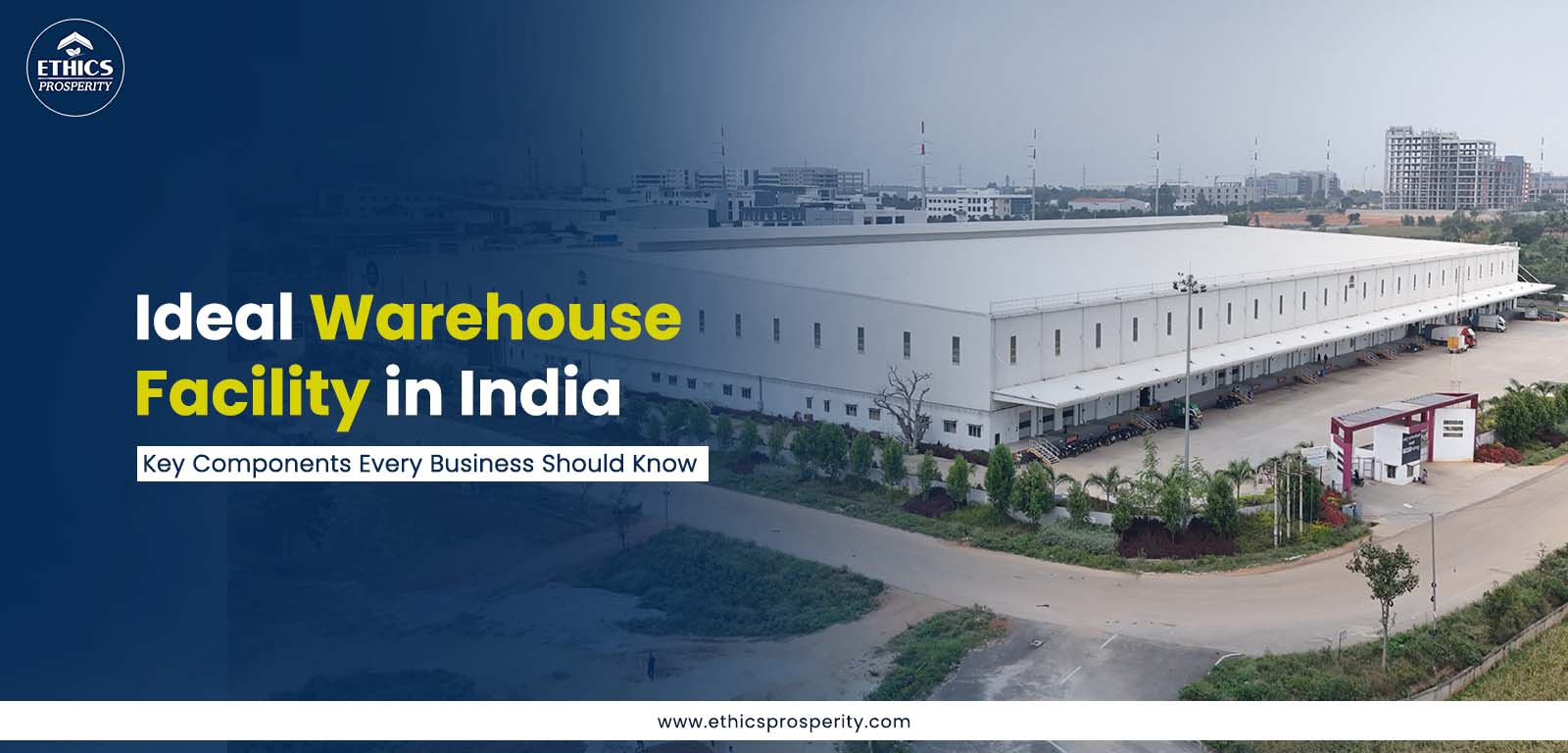
India’s warehousing and logistics sector is undergoing a major transformation driven by ecommerce expansion, manufacturing growth, infrastructure modernization, and rising customer expectations. Businesses today are expected to deliver products faster, maintain inventory accuracy, optimize operational costs, and improve supply chain visibility across regions.
As logistics operations become increasingly complex, selecting the right Warehouse Facility has evolved from a basic storage decision into a strategic business investment. Modern warehouses now play a direct role in operational efficiency, customer satisfaction, inventory optimization, and long-term scalability.
The rapid evolution of digital commerce and industrial distribution has also increased the importance of integrated logistics ecosystems. Businesses are now designing warehousing strategies that align with broader End-to-End Supply Chain Management goals to improve responsiveness and operational agility.
According to recent industry trends, demand for Grade-A warehousing infrastructure in India continues to rise due to increased fulfillment requirements, regional distribution expansion, and omnichannel retail growth. Companies investing in future-ready warehousing systems are gaining a significant competitive advantage in increasingly dynamic markets.
What Defines an Ideal Warehouse Facility?
An ideal warehouse facility is designed to support efficient inventory movement, operational visibility, scalability, and fast order fulfillment while maintaining safety, compliance, and infrastructure reliability.
Traditional storage-focused warehouses are no longer sufficient for modern business requirements. Today’s warehousing operations must function as integrated logistics hubs capable of supporting fulfillment, transportation coordination, inventory tracking, and regional distribution.
An ideal warehouse facility typically includes:
-
Strategic location connectivity
-
Scalable storage infrastructure
-
Technology-enabled operations
-
Efficient loading and unloading systems
-
Security and compliance measures
-
Workforce accessibility
-
Transportation connectivity
Businesses are also increasingly adopting flexible models such as on demand warehousing to manage fluctuating demand cycles and improve operational flexibility without major infrastructure investments.
Why Warehouse Location Matters
Warehouse location directly impacts transportation costs, delivery timelines, inventory movement, and overall supply chain efficiency.
Businesses serving ecommerce, retail, healthcare, and manufacturing sectors require warehouses strategically located near consumption centers, highways, industrial corridors, and transportation hubs.
The growth of Quick Commerce Companies has further increased demand for urban fulfillment infrastructure capable of supporting faster deliveries and reduced turnaround times.
Key factors businesses should evaluate while selecting warehouse locations include:
-
Connectivity to highways and ports
-
Proximity to customer markets
-
Availability of skilled labor
-
Transportation accessibility
-
Regional logistics infrastructure
-
Scalability potential
Warehouse location also influences delivery models, especially when businesses evaluate operational strategies around Hyperlocal vs Last Mile Delivery to improve customer fulfillment efficiency.
Many organizations benchmark operational standards followed by the Top 10 Warehousing Companies in Gurugram and infrastructure practices adopted by the Top 5 Supply Chain Companies in Bangalore to optimize warehouse network planning.
Essential Components of a Modern Warehouse Facility
1. Efficient Storage Layout
Warehouse layout directly affects inventory movement, picking efficiency, and operational productivity.
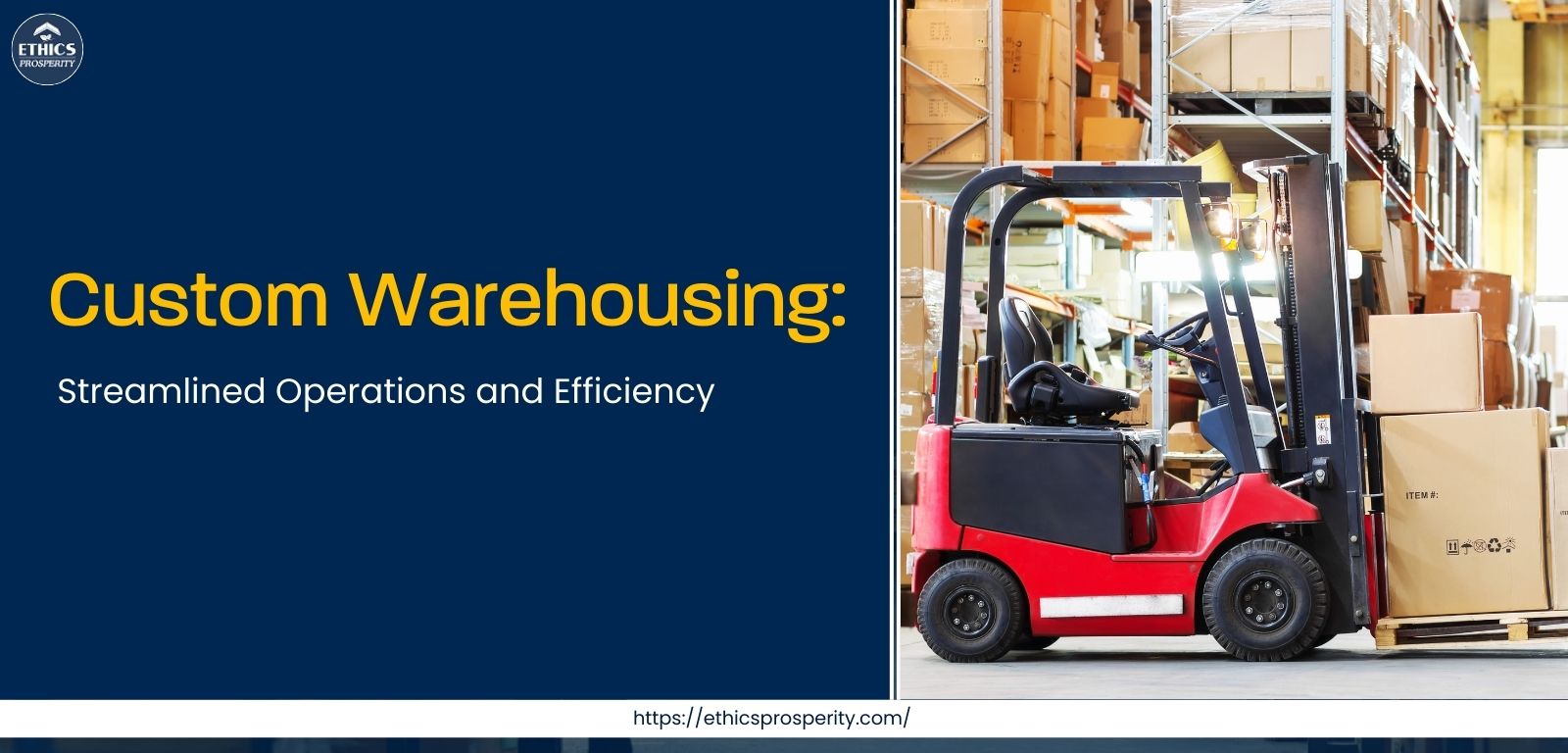
Modern facilities are designed to optimize product flow, reduce handling time, and maximize storage utilization. Businesses increasingly prefer Custom warehousing models that align storage infrastructure with specific operational and inventory requirements.
Well-planned layouts improve:
-
Space utilization
-
Operational speed
-
Inventory accessibility
-
Workforce productivity
2. Loading and Dock Management
Docking infrastructure is critical for maintaining smooth inbound and outbound logistics operations.
Inefficient loading areas create shipment delays, increase vehicle turnaround time, and disrupt transportation schedules.
This has become increasingly important as the Modern trucking industry adopts advanced fleet visibility systems and optimized logistics coordination models.
Warehouses should include:
-
Multiple loading bays
-
Vehicle movement planning
-
Dock scheduling systems
-
Efficient cargo handling equipment
3. Safety and Compliance Infrastructure
Warehouse facilities must comply with operational safety, environmental, and industry-specific regulations.
Industries such as the Pharmaceutical Supply Chain require temperature-controlled environments, strict hygiene standards, and product traceability systems.
Businesses handling sensitive products also require advanced cold storage warehousing infrastructure to maintain product quality and regulatory compliance.
Key compliance components include:
-
Fire safety systems
-
Emergency response planning
-
CCTV surveillance
-
Access control systems
-
Compliance documentation
4. Scalable Infrastructure
An ideal warehouse should support long-term business growth without requiring operational restructuring.
Scalable infrastructure allows businesses to:
-
Expand inventory capacity
-
Increase fulfillment operations
-
Support regional distribution growth
-
Handle seasonal demand fluctuations
Scalability is especially important for ecommerce businesses experiencing rapid sales growth and changing customer expectations.
Technology in Modern Warehousing
Technology has become central to warehouse efficiency, visibility, and operational decision-making.
Modern businesses are increasingly investing in digital warehousing ecosystems that improve operational accuracy and reduce manual dependency.
1. Warehouse Management Systems
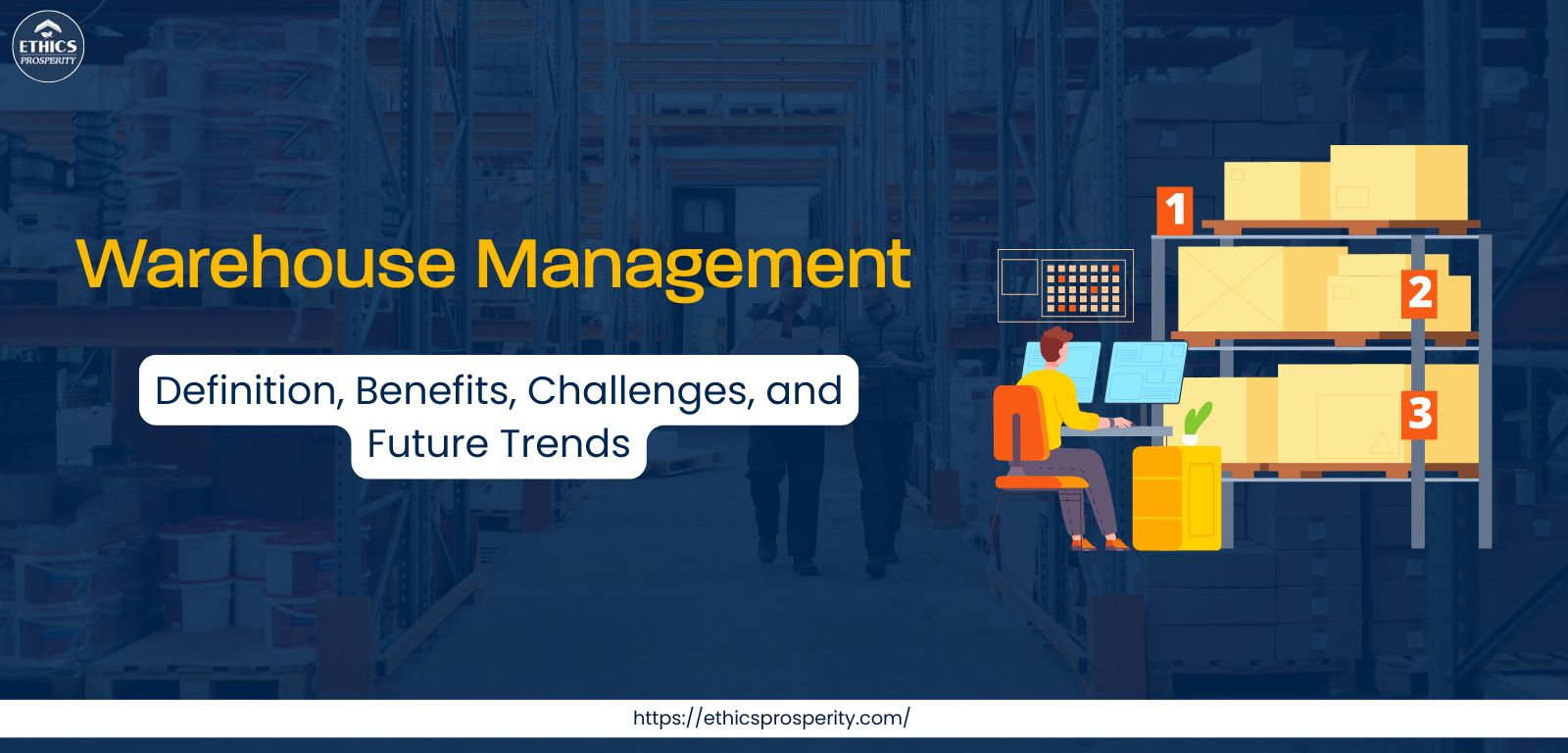
A robust Warehouse Management System(WMS) enables real-time inventory tracking, workflow optimization, and order processing visibility.
WMS platforms help businesses improve:
-
Inventory accuracy
-
Order management
-
Shipment coordination
-
Warehouse productivity
They also reduce manual errors and improve operational transparency.
2. Warehouse Automation
The adoption of warehouse automation technologies is increasing rapidly across Indian warehousing operations.
Automation improves:
-
Picking speed
-
Order accuracy
-
Labor productivity
-
Inventory movement efficiency
Automated warehousing systems also support scalability and operational consistency during high-demand periods.
3. AI-Driven Warehousing
Technologies such as AI & Machine Learning and Predictive Analytics are helping businesses optimize warehouse operations through data-driven planning.
These technologies support:
-
Demand forecasting
-
Inventory planning
-
Resource allocation
-
Operational forecasting
-
Shipment optimization
Data-driven warehousing improves decision-making while reducing operational risks.
4. Smart Warehousing Infrastructure
The rise of Smart Warehousing is transforming traditional warehouse operations into intelligent logistics ecosystems.
Smart warehouses use:
-
IoT-enabled monitoring systems
-
Real-time dashboards
-
Automated workflows
-
Integrated logistics platforms
This improves visibility across broader Supply Chain Management operations and strengthens operational responsiveness.
5. Transportation Integration
Warehouses today operate as logistics coordination centers integrated with broader Transportation Logistic networks.
Integrated transportation planning improves:
-
Shipment visibility
-
Delivery coordination
-
Fleet optimization
-
Regional distribution efficiency
Industry-Specific Warehouse Requirements
Different industries require different warehousing capabilities based on product type, operational complexity, and compliance requirements.
Ecommerce and Retail
Ecommerce businesses require agile warehousing infrastructure with efficient fulfillment capabilities and strong inventory management systems.
Growing ecommerce demand has significantly increased investment in advanced Warehousing Solutions capable of supporting omnichannel distribution and rapid order processing.
Businesses also evaluate logistics partnership structures such as What is 3pl, 4pl, and 5pl to improve supply chain scalability and operational specialization.
Healthcare and Pharmaceuticals
Healthcare warehousing requires:
-
Temperature-controlled storage
-
Compliance monitoring
-
Product traceability
-
Secure handling systems
Operational precision is critical for healthcare logistics environments.
Automotive and Industrial Manufacturing
Industrial warehousing focuses heavily on:
-
Bulk inventory handling
-
Spare parts management
-
Equipment storage
-
Efficient transportation coordination
These industries require scalable and operationally resilient warehouse infrastructure.
Traditional vs Smart Warehousing
|
Traditional Warehousing |
Smart Warehousing |
|
Manual inventory tracking |
Real-time digital tracking |
|
Limited operational visibility |
Integrated operational dashboards |
|
Higher error rates |
Improved accuracy |
|
Slower fulfillment |
Faster order processing |
|
Reactive operations |
Data-driven decision making |
Common Mistakes Businesses Make While Selecting Warehouses
Many organizations select warehouses based only on rental costs while ignoring operational efficiency and long-term scalability.
Common mistakes include:
-
Choosing poor locations
-
Ignoring technology integration
-
Underestimating future inventory growth
-
Weak transportation connectivity
-
Lack of compliance infrastructure
-
Poor scalability planning
Warehouse decisions should align with long-term operational and supply chain objectives instead of short-term cost savings.
How Businesses Should Evaluate a Warehouse Facility
Before selecting a warehouse facility, businesses should evaluate:
Infrastructure
-
Storage capacity
-
Dock management systems
-
Security infrastructure
-
Power backup
Technology
-
WMS integration
-
Automation capabilities
-
Operational visibility systems
Operations
-
Transportation accessibility
-
Skilled workforce availability
-
Scalability potential
Strategic Alignment
-
Customer delivery expectations
-
Regional distribution plans
-
Fulfillment strategy
A warehouse should function as a business growth enabler rather than just a storage space.
Conclusion
An efficient Warehouse Facility is now one of the most important pillars of modern logistics and supply chain operations. Businesses that invest in scalable infrastructure, intelligent technology, strategic location planning, and operational visibility gain a significant competitive advantage in increasingly demanding markets.
As warehousing evolves into a technology-driven logistics ecosystem, organizations must prioritize agility, automation, sustainability, and operational resilience to support long-term growth.
Businesses that align warehouse infrastructure with broader supply chain objectives will improve efficiency, strengthen customer experience, and build more resilient operations for the future.
Ethics Prosperity helps businesses develop future-ready warehousing ecosystems designed to improve operational efficiency, supply chain visibility, and scalable business growth.