Introduction
In today’s highly competitive business environment, operational efficiency is no longer optional. Businesses across manufacturing, ecommerce, healthcare, retail, FMCG, and industrial sectors are under constant pressure to deliver products faster, reduce operational costs, improve customer satisfaction, and maintain supply chain resilience.
This is where Supply Chain Management becomes a critical business function.
Modern supply chains are no longer limited to transportation and storage. They now influence procurement, inventory planning, warehousing, order fulfillment, customer delivery experience, sustainability goals, and long-term profitability.
Businesses that invest in strong supply chain systems are better positioned to manage disruptions, optimize operations, improve customer retention, and scale sustainably.
In 2026, supply chain performance has become a direct reflection of operational maturity and business competitiveness.
Organizations that fail to modernize supply chain operations often experience:
-
Delivery delays
-
Inventory shortages
-
Rising operational costs
-
Poor customer experience
-
Reduced profitability
Businesses that prioritize supply chain optimization are gaining stronger market positioning and long-term operational stability.
What Is Supply Chain Management?
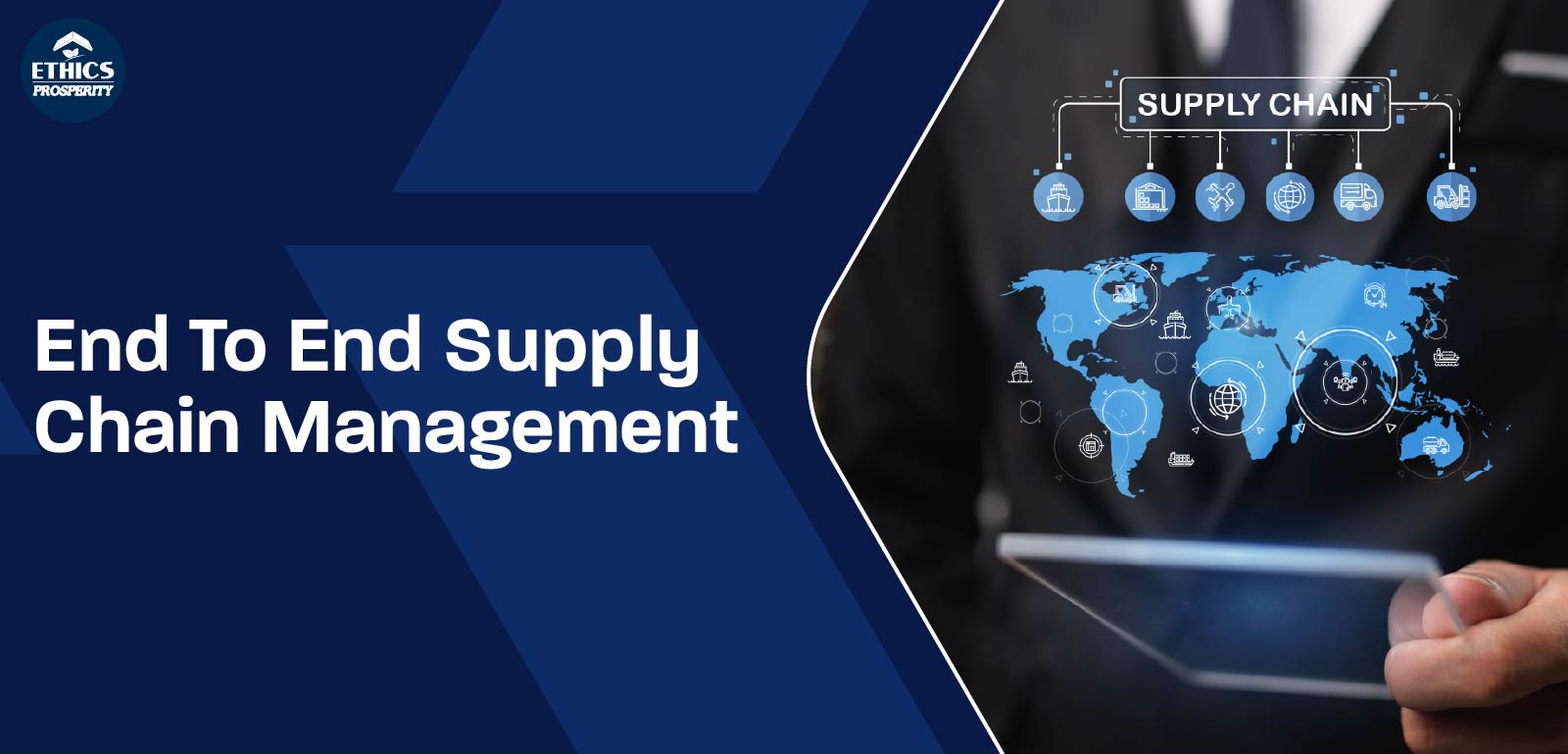
Supply Chain Management refers to the planning, coordination, and management of goods, information, inventory, transportation, suppliers, fulfillment operations, and customer deliveries across the entire supply chain ecosystem.
A modern supply chain typically includes:
-
Procurement
-
Manufacturing coordination
-
Storage and fulfillment
-
Transportation planning
-
Inventory control
-
Distribution operations
-
Returns management
Effective supply chain operations require coordination between suppliers, warehouses, logistics providers, distributors, retailers, and customers.
Modern end-to-end supply chain management focuses on operational visibility, cost control, customer satisfaction, and supply chain agility.
Businesses today require integrated operational ecosystems that support scalable and data-driven decision-making across all logistics and fulfillment functions.
Why Is Supply Chain Management Important for Businesses?
Supply chains directly impact profitability, operational efficiency, and customer experience.
Businesses that manage supply chains effectively can:
-
Reduce operational inefficiencies
-
Improve inventory accuracy
-
Strengthen delivery performance
-
Lower transportation costs
-
Improve customer retention
-
Respond faster to market demand changes
Efficient supply chain systems also improve collaboration between suppliers, fulfillment centers, transportation providers, and distributors.
Strong supply chain coordination helps businesses maintain operational continuity even during disruptions such as:
-
Demand fluctuations
-
Transportation delays
-
Raw material shortages
-
Geopolitical instability
-
Market volatility
In modern commerce, supply chain performance is becoming a major competitive differentiator.
Key Benefits of Effective Supply Chain Management
1. Improved Operational Efficiency
Efficient supply chain systems improve workflow coordination across procurement, fulfillment, transportation, and delivery operations.
Optimized Business Operations help businesses reduce:
-
Manual inefficiencies
-
Operational delays
-
Fulfillment errors
-
Inventory discrepancies
This improves productivity while reducing unnecessary operational expenses.
2. Better Customer Satisfaction
Customer expectations around delivery speed and order accuracy continue to rise.
Businesses with efficient supply chains can provide:
-
Faster deliveries
-
Better inventory availability
-
Accurate order fulfillment
-
Real-time shipment visibility
This is especially important for industries such as Retail and e-commerce, where customer experience directly impacts repeat purchases and brand loyalty.
3. Cost Optimization and Profitability
Poor supply chain planning often results in:
-
Excess inventory costs
-
Expedited shipping expenses
-
Warehouse inefficiencies
-
Higher transportation costs
Integrated Logistics Solutions improve cost control across warehousing, transportation, and fulfillment operations.
Businesses that optimize logistics workflows improve operational profitability while maintaining service quality.
4. Stronger Inventory Control
Accurate Inventory Management improves operational planning and reduces stock-related risks.
Businesses can:
-
Reduce stockouts
-
Avoid overstocking
-
Improve inventory turnover
-
Optimize warehouse utilization
Efficient inventory planning is critical for maintaining supply chain stability and customer satisfaction.
5. Better Transportation Coordination
Effective Transportation Solutions improve delivery timelines and operational visibility.
Businesses can optimize:
-
Delivery routing
-
Carrier management
-
Fleet coordination
-
Regional distribution planning
Transportation optimization also supports cost reduction and delivery consistency.
6. Improved Risk Management
Supply chain disruptions have become more frequent due to global economic uncertainty, transportation bottlenecks, and changing customer demand patterns.
A strong Supply Chain Strategy helps businesses:
-
Improve operational resilience
-
Diversify supplier networks
-
Reduce dependency risks
-
Improve contingency planning
Risk management is now a critical part of modern supply chain planning.
Industries That Benefit the Most from Supply Chain Management
1. E-commerce and Retail
Fast delivery expectations and omnichannel fulfillment models require highly responsive logistics ecosystems.
Industries operating in Quick Commerce environments especially depend on fast-moving fulfillment and optimized delivery networks.
2. FMCG Industry
Efficient operations in FMCG in Supply Chain environments require accurate demand forecasting, inventory planning, and regional fulfillment coordination.
High-volume product movement increases operational complexity significantly.
3. Manufacturing and Industrial Sectors
Manufacturers rely heavily on supplier coordination, inventory planning, and production scheduling.
Supply chain inefficiencies can directly impact production continuity and delivery commitments.
4. Healthcare and Pharmaceutical Industry
Healthcare supply chains require temperature-sensitive storage, regulatory compliance, and time-critical fulfillment operations.
Inventory visibility and operational accuracy are critical for pharmaceutical distribution networks.
Common Supply Chain Challenges Businesses Face
1. Inventory Inaccuracy
Poor inventory tracking often results in:
-
Stock shortages
-
Overstocking
-
Delayed fulfillment
-
Revenue loss
2. Transportation Delays
Inefficient transportation coordination increases delivery timelines and operational costs.
Reliable Distribution planning is essential for improving delivery consistency.
3. Limited Supply Chain Visibility
Many businesses still operate with fragmented systems that limit operational transparency.
Limited visibility affects forecasting, inventory planning, and customer communication.
4. Rising Operational Costs
Fuel prices, labor costs, and warehousing expenses continue increasing across the logistics industry.
Businesses must continuously optimize supply chain operations to maintain profitability.
5. Last-Mile Delivery Complexity
Efficient last-mile delivery operations remain one of the biggest challenges in modern logistics networks.
Urban congestion and customer delivery expectations are increasing operational pressure significantly.
How Technology Is Transforming Supply Chain Management
1. AI-Driven Operational Planning
Modern supply chains increasingly use automation and Predictive Analytics for:
-
Demand forecasting
-
Inventory allocation
-
Route optimization
-
Capacity planning
The use of AI in logistics is improving operational efficiency across warehousing and transportation ecosystems.
2. Real-Time Supply Chain Visibility
Businesses now require live operational visibility across:
-
Inventory movement
-
Shipment tracking
-
Warehouse operations
-
Transportation status
Integrated operational dashboards improve decision-making and customer communication.
3. Warehouse Optimization
Modern Warehouse Management systems improve:
-
Inventory accuracy
-
Picking efficiency
-
Fulfillment speed
-
Warehouse productivity
Warehouse automation is becoming essential for scalable fulfillment operations.
4. Sustainable Supply Chain Operations
Businesses are increasingly focusing on sustainability in Supply Chain operations through:
-
Route optimization
-
Sustainable packaging
-
Energy-efficient warehousing
-
Waste reduction strategies
Sustainability initiatives are now influencing procurement and logistics planning decisions globally.
How to Build a Strong Supply Chain Strategy
Businesses should focus on:
-
Operational visibility
-
Technology integration
-
Inventory optimization
-
Supplier collaboration
-
Transportation efficiency
-
Demand forecasting
-
Risk mitigation planning
Integrated End-to-End Logistics systems help businesses improve coordination across suppliers, fulfillment centers, transportation networks, and customer delivery operations.
Partnering with experienced Supply Chain companies and reliable logistics companies can also improve operational scalability and supply chain resilience.
Conclusion
Modern businesses cannot achieve sustainable growth without strong supply chain capabilities.
As customer expectations continue evolving and operational complexity increases, businesses must focus on building agile, scalable, and technology-driven supply chain ecosystems.
Efficient supply chain operations improve:
-
Operational productivity
-
Customer experience
-
Inventory visibility
-
Delivery performance
-
Business resilience
-
Long-term profitability
In 2026, supply chain management is no longer just a support function. It has become a strategic growth driver that directly influences operational efficiency and competitive positioning.
Businesses that invest in intelligent supply chain systems today will be better prepared to manage future disruptions, customer expectations, and evolving market demands.
Ethics Prosperity helps businesses build scalable supply chain ecosystems designed to improve operational efficiency, fulfillment performance, and sustainable business growth.